1940 Washington Quarter Value: No Mint Mark Coin Guide

Your Old Coin Could Be Valuable!
Identify It & Know Its Real Value — Free Download


The 1940 Washington Quarter with no mint mark is worth anywhere from $6 in worn condition to over $1,500 in high-grade mint state. Most examples found in pocket change or old jars are silver bullion-related, but specific mint errors and high-grade specimens carry a significant premium for collectors.
| Condition | Average Market Value |
|---|---|
| Good (G-4) to Fine (F-12) | $6.00 – $8.50 |
| Extremely Fine (XF-45) | $12.50 – $18.00 |
| Uncirculated (MS-60) | $25.00 – $45.00 |
| Gem Uncirculated (MS-65+) | $150.00 – $1,500+ |
Understanding the Philadelphia 1940 Washington Quarter
If you have found a 1940 quarter and cannot find a small letter below the eagle’s wreath on the back, you have a Philadelphia Mint coin. During the 1940s, the Philadelphia Mint did not use a mint mark on its quarters. While some people might think a “missing” mark makes a coin rare, it actually identifies it as one of the 35,772,000 quarters struck in Pennsylvania that year. To get an instant estimation of your coin’s grade, you can use a top coin identifier and value app to see if your specimen has the high-luster details required for a premium valuation.
The 1940 Washington Quarter is composed of 90% silver and 10% copper. Because of its silver content, any 1940 quarter is worth at least its “melt value,” which fluctuates with the price of silver. However, numismatists (coin collectors) are often willing to pay much more for coins that haven’t been scratched or worn down by decades of circulation. Using CoinKnow can help you distinguish between a common silver coin and a rare collector’s piece by analyzing surface preservation.
When evaluating these coins, the most important factor is the “strike.” Philadelphia quarters from 1940 are known for having a generally strong strike, but finding one with full details on the eagle’s breast feathers or Washington’s hair is the goal. For those looking for the most accurate current data, you can check the latest 1940 quarter price movements to see how market demand is affecting these Philadelphia issues.
Your Old Coin Could Be Valuable!
Identify It & Know Its Real Value — Free Download
Grading and 1940 Quarter Value Factors
The value of a 1940 Washington Quarter depends almost entirely on its grade. Grading is the process of determining how much wear a coin has sustained. A coin in “Good” condition will look flat and smooth, while an “Uncirculated” coin will look exactly as it did the day it left the mint. Because these coins were used heavily in daily commerce for decades, most survivors are in “Circulated” condition and are valued primarily for their silver.
Your Old Coin Could Be Valuable!
Identify It & Know Its Real Value — Free Download
If you are unsure of the grade, CoinKnow offers high-resolution comparisons to help you spot the difference between an About Uncirculated (AU) coin and a Mint State (MS) coin. The difference might look small to the naked eye, but it can mean a difference of hundreds of dollars. For a deeper dive into the specific characteristics that drive price, viewing a 1940 Washington quarter valuation breakdown can help you understand why some coins sell for thousands at auction.
The luster—the way light dances across the surface of the silver—is crucial for 1940 quarters. Collectors look for “cartwheel luster,” which is a rotating flash of light caused by the original minting process. If the coin has been cleaned or polished, even if it looks shiny, the value will drop significantly. Authentic uncleaned coins with a natural patina are always more desirable than those that have been improperly “beautified.”
Your Old Coin Could Be Valuable!
Identify It & Know Its Real Value — Free Download
| Grade Designation | Physical Appearance | Estimated Price |
|---|---|---|
| Average Circulated | Heavy wear, flattened hair details | $6 – $12 |
| AU-58 (About Uncirculated) | Almost perfect, slight wear on high points | $20 – $30 |
| MS-63 (Choice Mint State) | Attractive luster, few bag marks | $45 – $60 |
| MS-67 (Superb Gem) | Flawless to the naked eye | $650 – $2,800 |
Rare Varieties and Mint Errors to Watch For
While most 1940 quarters without mint marks are standard issues, there are specific varieties that can skyrocket the value. The most notable for this year are “Doubled Die” varieties. A Doubled Die occurs when the coin hub strikes the die twice at a slightly different angle, creating a doubled appearance on the letters or numbers. Look closely at the words “In God We Trust” or the date “1940” using a magnifying glass.
Another interesting variety is the “Die Crack” or “Cud.” As the steel dies at the Philadelphia Mint wore down, they would often crack. If you see a raised line of metal that doesn’t belong on the design, you might have an error coin. While small die cracks are common, large “Cuds” (where a piece of the die broke off completely) can add $20 to $100 to the coin’s value.
To ensure you aren’t missing a rare variety, use CoinKnow‘s AI-powered recognition tool to scan your coin. It can often detect subtle doubling that the human eye might overlook. Identifying these errors is the key to turning a $10 silver coin into a $100+ collector’s item. Collectors often hunt for these “invisible” details that make a standard Philadelphia quarter unique.
Your Old Coin Could Be Valuable!
Identify It & Know Its Real Value — Free Download
The Silver Content and Bullion Value
For many Americans, the 1940 Washington Quarter is simply a “junk silver” coin. This term isn’t an insult; it simply means the coin’s value is derived from its metal rather than its rarity. Every 1940 quarter contains 0.1808 troy ounces of pure silver. This means if silver is trading at $25 per ounce, your quarter has a base value of roughly $4.50.
Because of this industrial silver value, 1940 quarters will never be worthless. Even if the coin is bent, scratched, or holed, a coin shop will still buy it for its silver weight. However, before you sell it for scrap, it is vital to check the grade. It is a common mistake to sell a high-grade 1940 quarter for $5 when it might have been worth $50 or more to a collector.
| Silver Price per Ounce | Melt Value of 1940 Quarter |
|---|---|
| $20.00 | $3.62 |
| $25.00 | $4.52 |
| $30.00 | $5.42 |
Market Trends and Long-Term Investment
The market for Washington Quarters remains stable because they are a cornerstone of American numismatics. The 1940 Philadelphia issue is considered a “common date,” but the supply of high-grade, uncirculated examples is slowly shrinking as more coins are tucked away into private collections or professional registry sets. This makes MS-65 and higher grades a potential long-term investment.
Your Old Coin Could Be Valuable!
Identify It & Know Its Real Value — Free Download
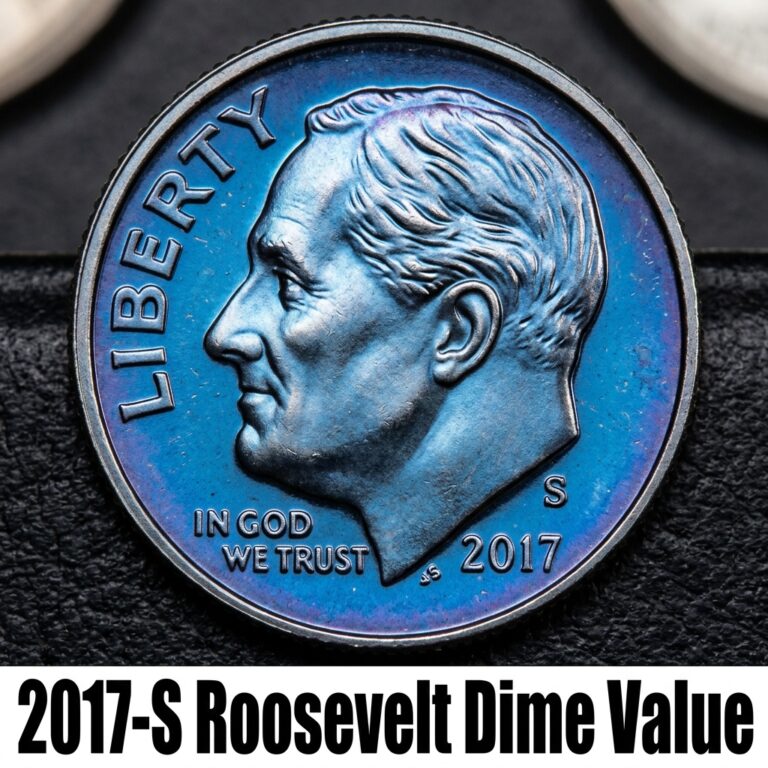
Over the last decade, “toning” has also become a major value driver. Toning is the natural oxidation that occurs on silver, sometimes creating beautiful rainbow colors of blue, purple, and gold. A “monster toned” 1940 Washington Quarter can sell for 2 to 3 times the price of a standard white silver coin of the same grade. If you find one with vibrant colors, do not clean it! Cleaning will strip the toning and destroy its market value.
Whether you are a casual hobbyist or a serious investor, keeping track of your collection is easier than ever. Apps like CoinKnow allow you to catalog your finds and monitor their value over time. With 1940 being a year of high production but significant historical interest (falling right before the U.S. entry into WWII), these quarters remain a favorite for those building a complete Washington series.
FAQ
Q: Why doesn’t my 1940 Washington Quarter have a mint mark?
A: In 1940, the Philadelphia Mint produced coins without a mint mark. Only coins struck in Denver (D) or San Francisco (S) featured a letter on the reverse. A 1940 quarter with no mint mark is perfectly normal and indicates it was made in Philadelphia.
Q: Is a 1940 quarter made of real silver?
A: Yes, all Washington Quarters minted between 1932 and 1964 are made of 90% pure silver. This gives them a “floor” value based on the current market price of silver bullion, regardless of their condition.
Your Old Coin Could Be Valuable!
Identify It & Know Its Real Value — Free Download
Q: How can I tell if my 1940 quarter is worth more than silver melt?
A: Look at Washington’s hair and the eagle’s breast feathers. If you see crisp, fine lines and no signs of flat spots from wear, the coin may be in “Uncirculated” condition. High-grade coins and coins with “Doubled Die” errors are always worth more than their silver weight.
Q: Where is the mint mark on a 1940 quarter?
A: On the 1940 design, the mint mark is located on the reverse (back side), directly below the center of the wreath that the eagle is perched on. If that area is blank, the coin was minted in Philadelphia.
Q: Should I clean my old 1940 quarter to make it look better?
A: No! Never clean a collectible coin. Cleaning creates microscopic scratches on the silver and removes the “mint luster.” Collectors prefer coins with original dirt or toning over coins that have been chemically or physically cleaned. Cleaning a rare coin can reduce its value by 50% or more.