1946 Roosevelt Dime Value No Mint Mark: Is Your Coin Rare?

Your Old Coin Could Be Valuable!
Identify It & Know Its Real Value — Free Download


The 1946 Roosevelt Dime with no mint mark is worth anywhere from $2.50 in heavily circulated condition to over $500 in high-grade mint state. As the very first year of the Roosevelt series, this coin holds a special place in history and remains a favorite find for casual hunters.
| Condition | Estimated Value |
|---|---|
| Good to Very Fine (Circulated) | $2.40 – $3.50 |
| Extremely Fine to About Uncirculated | $4.00 – $7.00 |
| Uncirculated (MS60 – MS65) | $10.00 – $45.00 |
| Gem Mint State (MS67+) | $150 – $1,000+ |
The Significance of the 1946 Roosevelt Dime No Mint Mark
In 1946, the United States Mint introduced a new dime to honor President Franklin D. Roosevelt, who had passed away just a year prior. This was a significant shift, replacing the iconic Winged Liberty Head (Mercury) design that had been in use since 1916. If you find a 1946 dime and notice there is “no mint mark,” it simply means the coin was struck at the Philadelphia Mint. At that time, Philadelphia did not use a “P” mark on dimes.
Identifying these coins is easy for beginners using a top coin identifier and value app, which can instantly recognize the silver content and design features. While over 255 million of these coins were produced in Philadelphia, their silver value alone makes them worth keeping. Today, these dimes are sought after not just for their metal, but also by collectors looking to complete first-year sets of the Roosevelt series.
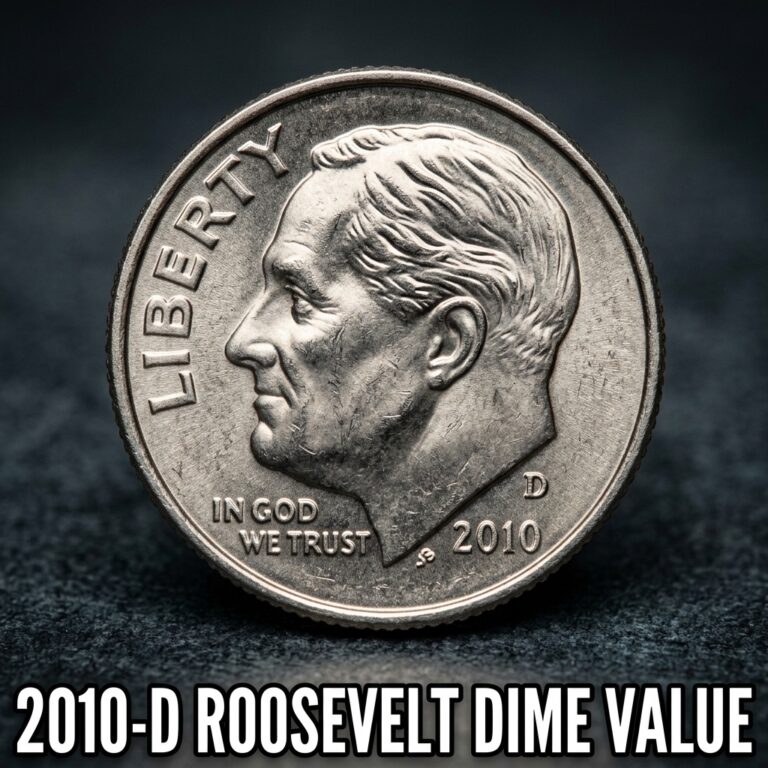
The design was created by John R. Sinnock, whose initials “JS” appear at the base of Roosevelt’s neck. Interestingly, during the height of the Cold War, some rumored that “JS” stood for Joseph Stalin, but this was quickly debunked by the Mint. Using CoinKnow, you can learn more about these historical tidbits while verifying the authenticity of your vintage pocket change.
Your Old Coin Could Be Valuable!
Identify It & Know Its Real Value — Free Download
Silver Content and Melt Value of the 1946 Dime
One of the most important things for an everyday American to know is that all dimes minted in 1946 are composed of 90% silver and 10% copper. This means the coin has “intrinsic value” regardless of its condition. Even if the coin is scratched, bent, or heavily worn, it will always be worth its weight in silver.
When silver prices rise, the value of your 1946 Roosevelt dime increases automatically. Typically, a silver dime contains about 0.07234 troy ounces of pure silver. If you are tracking the 1946 Roosevelt dime value data, you will see that the floor price follows the spot price of silver bullion.
Your Old Coin Could Be Valuable!
Identify It & Know Its Real Value — Free Download
| Component | Specification |
|---|---|
| Silver Weight | 0.0723 oz (2.25 grams) |
| Total Weight | 2.50 grams |
| Diameter | 17.9 mm |
Determining the Grade and Condition of Your 1946 Dime
The difference between a $3 coin and a $300 coin lies in the “grade.” Professional collectors use a scale from 1 to 70. “Circulated” coins are those that were used for coffee, newspapers, and groceries back in the 1940s. They show wear on Roosevelt’s cheek and the lines of the torch on the reverse side.
“Uncirculated” coins, also known as Mint State (MS), look like they just fell out of the coin press. They have a shiny luster and no visible scratches from other coins. If you aren’t sure where your coin falls, CoinKnow allows you to take a photo and get a preliminary idea of the condition. High-grade coins are exceptionally rare because most were used in daily commerce.
Your Old Coin Could Be Valuable!
Identify It & Know Its Real Value — Free Download
Check the current market prices for 1946 Roosevelt Dimes to see how specific grades like MS65 or MS67 perform at auction. Small details, like the “Full Bands” (FB) on the torch, can move the price from double digits into the hundreds.
Full Bands (FB) and Why They Matter
If you look at the reverse (back) of the 1946 Roosevelt dime, you will see a torch. On the top and bottom of the torch are horizontal bands. In the world of coin collecting, a “Full Bands” designation means these lines are perfectly separated and distinct. This indicates a very strong strike from the minting press.
Most 1946 dimes have “flat” bands because the dies were worn out or the pressure wasn’t high enough. A 1946 silver dime with no mint mark that qualifies for the FB designation is incredibly rare and commands a huge premium. Professional grading services like PCGS or NGC will add “FB” to the label, which makes the coin much easier to sell to high-end collectors.
Your Old Coin Could Be Valuable!
Identify It & Know Its Real Value — Free Download
| Grade Designation | Price Range |
|---|---|
| MS65 (Standard) | $25 – $35 |
| MS65 Full Bands (FB) | $50 – $75 |
| MS67 Full Bands (FB) | $400 – $650 |
1946 Roosevelt Dime No Mint Mark Errors to Look For
While most 1946 dimes are standard, a few rare errors escaped the mint and are now worth a lot of money to the right buyer. The most common things to look for are “Doubled Dies.” This happens when the coin image is struck twice, creating a blurry or “ghosting” effect on the letters or the date.
Check the words “IN GOD WE TRUST” and the date “1946” very closely. If the numbers look thicker than usual or show a clear secondary line, you might have a Doubled Die Obverse (DDO). Use a magnifying glass or the high-resolution zoom in CoinKnow to inspect the fine details of the lettering.
Other errors include “Repunched Mint Marks” (though not applicable to the Philadelphia no-mint-mark coins) and “Die Cracks,” which look like raised jagged lines across the surface. While die cracks are interesting, only major errors usually lead to a significant price jump for the average collector.
Where to Sell Your 1946 No Mint Mark Silver Dime
Once you’ve identified that you have a valuable 1946 dime, the next step is knowing where to sell it. If your coin is a standard circulated specimen, a local coin shop is your best bet. They will usually pay you the “melt value” or slightly above. It’s a quick way to turn old pocket change into cash.
Your Old Coin Could Be Valuable!
Identify It & Know Its Real Value — Free Download
For high-grade or error coins, consider online marketplaces like eBay or specialized auction houses. When selling online, clear photography is your most important tool. Ensure your coin is well-lit so buyers can see the silver luster and the lack of scratches.
Always remember that professional grading (sending the coin to PCGS or NGC) costs money—usually around $30 to $50 per coin. Only do this if you are confident your 1946 Roosevelt Dime is in “Uncirculated” condition or possesses a rare error that justifies the investment.
| Sales Venue | Best For… |
|---|---|
| Local Coin Shop | Common silver coins; quick cash. |
| Online Auctions (eBay) | Mid-range collector grades (MS60-64). |
| Major Auction Houses | High-grade “Full Band” or rare errors. |
FAQ about the 1946 Roosevelt Dime
Q: Does the 1946 dime have a mint mark?
A: Yes and no. Dimes minted in Denver have a small “D” and those from San Francisco have an “S” located on the reverse, to the left of the base of the torch. Dimes minted in Philadelphia have no mint mark at all.
Q: Is a 1946 dime made of real silver?
A: Yes, every 1946 dime was minted with 90% silver. This remained the standard for U.S. dimes until 1965, when the composition was changed to copper-nickel.
Your Old Coin Could Be Valuable!
Identify It & Know Its Real Value — Free Download
Q: Why is my 1946 dime worth more than 10 cents?
A: Because of its silver content, a 1946 dime is worth at least $2.00 even in poor condition just for the metal. Rare grades and errors can push that value much higher.
Q: Does “JS” on the dime stand for Joseph Stalin?
A: No, the initials “JS” stand for John Sinnock, the Chief Engraver of the U.S. Mint who designed the coin. This was a popular urban legend in the late 1940s.
Q: How can I tell if my 1946 dime is “Uncirculated”?
A: An uncirculated coin will have “mint luster,” a frosty or satiny sheen that disappears once a coin has been handled and passed around in commerce. If Roosevelt’s cheek and the torch bands look flat and dull, the coin is circulated.