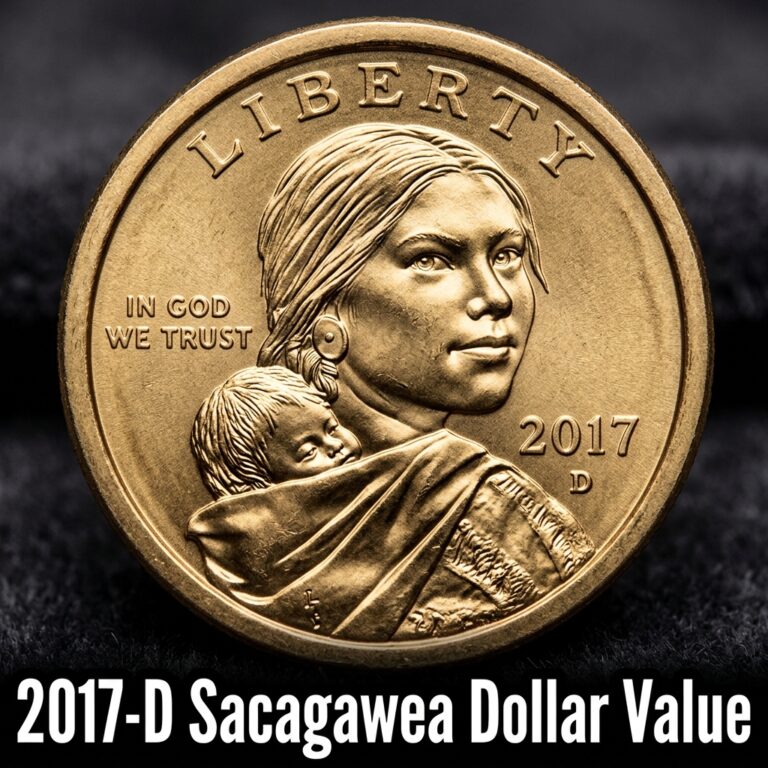
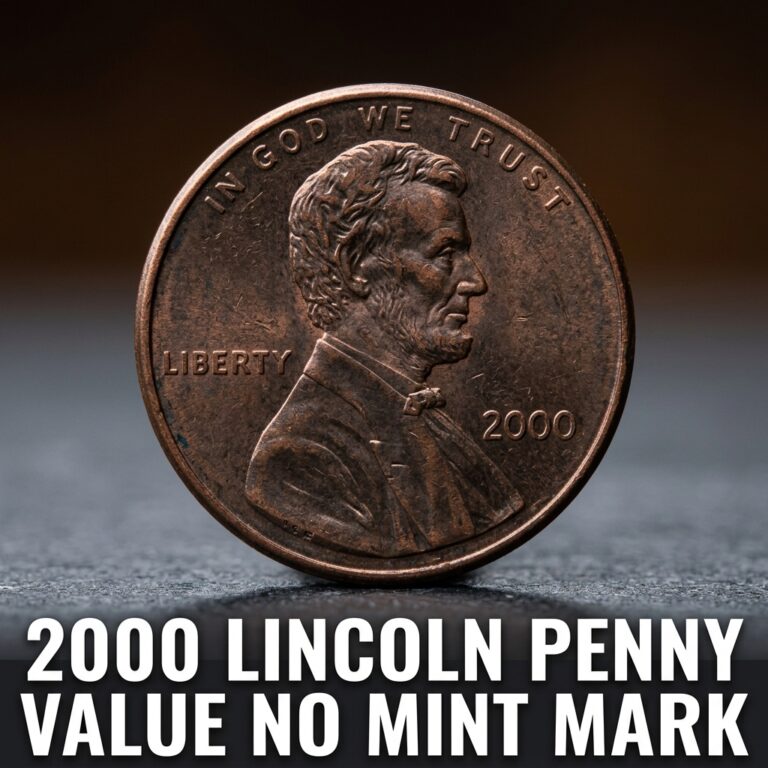
2010-S Yosemite Quarter Value: Collector Prices and Rarities

Your Old Coin Could Be Valuable!
Identify It & Know Its Real Value — Free Download


The 2010-S Yosemite Quarter is worth anywhere from $0.25 in circulated condition to over $500 for high-grade specimens. While most quarters found in change are face value, the “S” mint mark indicates specialized production for collectors, making these specific coins from the San Francisco Mint highly sought after by enthusiasts.
| Condition/Grade | Clad Proof (S) Value | Silver Proof (S) Value |
|---|---|---|
| PR65 (Deep Cameo) | $3.00 – $5.00 | $10.00 – $15.00 |
| PR69 (Near Perfect) | $8.00 – $12.00 | $25.00 – $35.00 |
| PR70 (Perfect Grade) | $30.00 – $55.00 | $150.00 – $450.00 |
Understanding the 2010-S Yosemite Quarter Origins
The Yosemite National Park quarter was the third release of the America the Beautiful (ATB) Quarters Program, launched by the United States Mint in 2010. While Philadelphia and Denver produced billions of quarters for general circulation, the San Francisco Mint (“S” mint mark) focused on proof versions intended specifically for collectors.
If you have discovered one of these coins in your pocket change, it was likely broken out of a proof set. If you are unsure about the authenticity of your find, using a top coin identifier and value app can help you distinguish between a standard business strike and a collector proof.
The design of the Yosemite quarter is iconic, featuring the massive El Capitan granite monolith. Because these coins were struck using polished dies and planchets, they exhibit a mirror-like finish that sets them apart from the duller quarters you typically see in your wallet. CoinKnow users often report that the visual contrast on these proof coins makes them one of the most beautiful issues in the entire series.
Your Old Coin Could Be Valuable!
Identify It & Know Its Real Value — Free Download
The Value Difference Between Clad and Silver Proofs
It is vital to realize that the San Francisco Mint produced two distinct versions of the 2010-S Yosemite quarter: the Copper-Nickel Clad version and the 90% Silver version. The silver version is significantly more valuable not just due to its numismatic rarity, but because of its precious metal content.
A standard clad proof might only be worth a few dollars, whereas the silver variant fluctuates with the market price of bullion. You can check the latest current market values for 2010 series quarters to see how the silver content impacts the bottom line of your collection.
Your Old Coin Could Be Valuable!
Identify It & Know Its Real Value — Free Download
To tell them apart, look at the edge of the coin. A clad coin will show a copper stripe, while a silver proof will have a solid silver-colored edge. If the coin is still in its original US Mint packaging, it will be clearly labeled. High-quality photos uploaded to CoinKnow can also assist in identifying the metallic composition through surface luster.
| Feature | Clad Proof | Silver Proof |
|---|---|---|
| Composition | 75% Copper, 25% Nickel | 90% Silver, 10% Copper |
| Weight | 5.67 grams | 6.25 grams |
| Edge Appearance | Visible Copper Layer | Solid Silver White |
Grading and How It Affects Your Quarter’s Price
In the world of coin collecting, condition is king. A 2010-S Yosemite quarter in PR65 condition (Proof 65) is considered a standard “choice” proof and is quite common. However, once you reach PR69 or the “perfect” PR70 grade, the price skyrockets, especially for silver versions.
Your Old Coin Could Be Valuable!
Identify It & Know Its Real Value — Free Download
Professional grading services like PCGS or NGC evaluate these coins under magnification to look for tiny scratches, milk spots, or “haze” that can develop over time. Because proof coins are handled with care, many survive in high grades, but a perfect 70 is still a rarity that commands a premium.
For everyday Americans, knowing the full value breakdown of the 2010 quarter series is essential before trying to sell. If your coin has scratches from being in a pocket with other change, its “proof” status is compromised, and it may only be worth a small amount over its face value or silver melt value.
Why the 2010 Series is Special for Collectors
2010 was the inaugural year for the America the Beautiful program. Collector interest was at an all-time high, but mintages for the proof sets were relatively low compared to later years in the decade. The Yosemite design is widely considered the “star” of the 2010 lineup, which also included Hot Springs, Yellowstone, Grand Canyon, and Mount Hood.
Your Old Coin Could Be Valuable!
Identify It & Know Its Real Value — Free Download
Because it was the first year, many people tucked these away, but many others were accidentally spent. If you find a Yosemite quarter with an “S” mint mark that looks unusually shiny despite being circulated, you’ve found an “impaired proof.” Even though it isn’t worth hundreds of dollars, it is still a significant find for a casual collector.
Using CoinKnow can help you track your finds and see if you have the complete 2010 set. Maintaining a full set of silver proofs from the first year of the program is a great way to start a high-value collection that will likely appreciate as the years go by.
| 2010 ATB Release | Mint Mark | Rarity Score (1-10) |
|---|---|---|
| Hot Springs | P, D, S | 4 |
| Yellowstone | P, D, S | 5 |
| Yosemite | P, D, S | 6 |
Tips for Identifying High-Value Yosemite Errors
While proof coins are struck under strict quality control, errors can still occur. For the 2010-S Yosemite quarter, collectors look for “die clashes” or “double dies,” though these are extremely rare in proof striking.
If you notice that the lettering on the “S” mint mark looks doubled, or if there are strange raised lines on El Capitan that shouldn’t be there, you might have an error coin. These can sell for hundreds of dollars more than the standard proof value.
Your Old Coin Could Be Valuable!
Identify It & Know Its Real Value — Free Download
Always handle your coin by the edges to avoid leaving fingerprints. The oils from your skin can permanently damage the mirror finish of a proof coin, lowering its grade and value instantly. If you think you’ve spotted an error, consult with experts or use a digital tool to compare your coin against known error varieties.
Final Thoughts on the 2010-S Quarter Value
The 2010-S Yosemite quarter is a beautiful piece of American history. Whether you have the copper-nickel version or the 90% silver version, holding an “S” minted coin is a point of pride for many. While most won’t make you rich, a perfect specimen is a true treasure.
Check your change, look for that “S” mark, and always verify the metal content. You never know when a simple quarter might turn out to be a collector’s item worth fifty times its face value.
FAQ
Q: How do I know if my 2010-S Yosemite Quarter is silver?
A: Check the edge of the coin. If you see a solid silver/white color without a copper stripe, it is likely the 90% silver proof. You can also weigh it; the silver version weighs 6.25 grams, while the clad version is 5.67 grams.
Your Old Coin Could Be Valuable!
Identify It & Know Its Real Value — Free Download
Q: Can I find a 2010-S Yosemite Quarter in normal pocket change?
A: Yes, it is possible, but rare. These were only sold in sets to collectors. If you find one in change, it is called an “impaired proof” because it has been circulated and likely lost its mirror-like finish.
Q: What is the highest price ever paid for a 2010-S Yosemite Quarter?
A: Perfect PR70 Deep Cameo Silver Proofs have sold at auction for over $500 in the past. Prices fluctuate based on the current demand for the America the Beautiful series and the spot price of silver.
Q: Is the “P” or “D” Yosemite quarter worth anything?
A: Generally, Philadelphia (P) and Denver (D) quarters from 2010 are only worth their face value ($0.25) if they have been used in circulation. Uncirculated rolls may carry a small premium.