2016-P Fort Moultrie Quarter Value: Price and Error Guide

Your Old Coin Could Be Valuable!
Identify It & Know Its Real Value — Free Download


The 2016-P Fort Moultrie Quarter is worth anywhere from its $0.25 face value in circulated condition to over $500 in high-grade Mint State or error specimens. While millions of these coins were minted for everyday use, certain rare versions and historical significance make them a fascinating find for casual collectors and pocket change hunters.
| Condition Grade | Estimated Market Value |
|---|---|
| Circulated (Average Wear) | $0.25 – $0.35 |
| Uncirculated (MS63) | $1.50 – $3.00 |
| Choice Uncirculated (MS65) | $10.00 – $25.00 |
| Gem Uncirculated (MS67+) | $150.00 – $500.00+ |
Understanding the 2016-P Fort Moultrie Quarter History
The 2016-P Fort Moultrie (Fort Sumter National Monument) quarter is the 35th release in the United States Mint’s ambitious America the Beautiful (ATB) Quarters Program. This specific coin honors the Revolutionary War site in South Carolina where American forces famously repelled a British naval attack in 1776. If you have found one of these coins in your change, using a top coin identifier and value app can help you quickly determine if yours is a standard “P” mint mark or a rarer variety. The “P” on the obverse indicates it was struck at the Philadelphia Mint.
Most people recognize the iconic image of Sergeant William Jasper returning the regimental flag to the ramparts. Because the Philadelphia Mint struck over 150 million of these coins, common circulated examples generally don’t carry a premium. However, the CoinKnow app can help you distinguish between a heavily worn coin and one that might be considered “About Uncirculated,” which collectors prefer.
Collectors often look for “First Strike” or early-release versions of these coins. During the first few weeks of production, the dies are fresh, resulting in sharper details on the sergeant’s uniform and the fort’s masonry. As the dies wear down, the coins lose this crispness. Finding a high-grade specimen in your spare change is rare, but not impossible, making every pocket search potentially rewarding.
Your Old Coin Could Be Valuable!
Identify It & Know Its Real Value — Free Download
Current Market Value for 2016-P Fort Moultrie Quarters
The value of a 2016-P Fort Moultrie quarter is primarily determined by its condition, also known as its “grade.” For most Americans, the quarter in your wallet is worth exactly 25 cents. However, if the coin looks like it just came out of a fresh mint roll with no scratches or dullness, the price can climb significantly. The current 2016 America the Beautiful quarter prices suggest that MS67 and MS68 graded coins are the ones that fetch hundreds of dollars at auction.
The CoinKnow app is an excellent tool for comparing your coin against high-resolution images of graded specimens. In public auctions, a 2016-P Fort Moultrie quarter graded MS68 by PCGS or NGC has been known to sell for over $400. This is because Philadelphia strikes are often subject to “bag marks”—little nicks caused by coins hitting each other during the high-speed minting and bagging process. A “clean” coin is a rare treasure.
Your Old Coin Could Be Valuable!
Identify It & Know Its Real Value — Free Download
| Mint Grade | Description | Estimated Value |
|---|---|---|
| MS60-MS63 | Typical Uncirculated; many marks | $1 – $5 |
| MS65 | Gem Condition; very few marks | $15 – $30 |
| MS67 | Superb Gem; nearly perfect | $100 – $250 |
| MS68+ | Registry Quality; exceptionally rare | $450+ |
How Mint Marks Impact 2016 Quarter Value
The 2016 Fort Moultrie quarters were produced at three main mints: Philadelphia (P), Denver (D), and San Francisco (S). While this article focuses on the “P” mint mark, it is vital to know the differences. Philadelphia and Denver coins were released for general circulation. If you find one with an “S” mint mark, you have found a coin intended for collectors, often sold in Proof sets or Uncirculated sets directly from the US Mint.
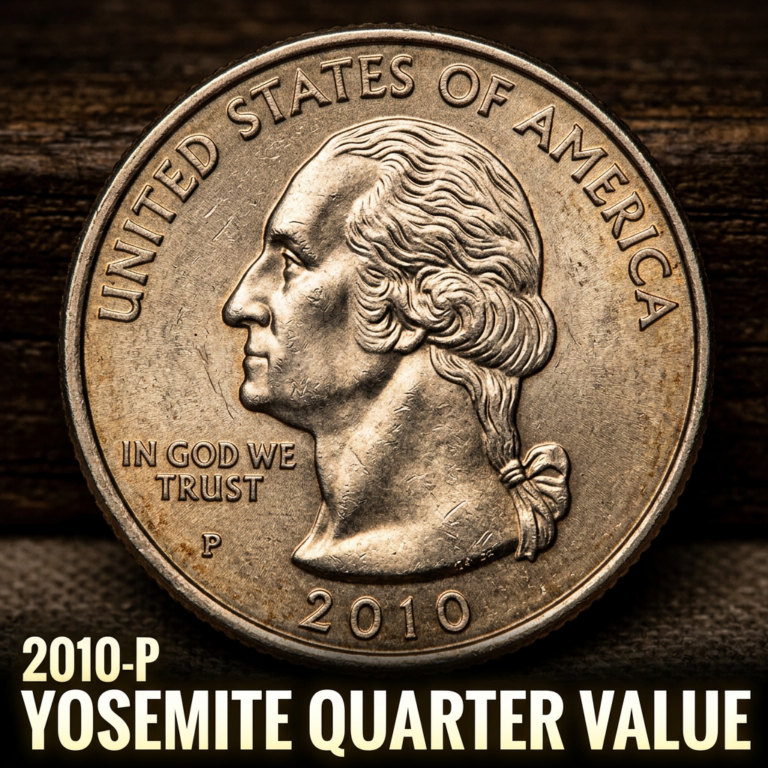
To get the most accurate 2016 Fort Moultrie quarter value information, you must check the obverse side (the side with George Washington) to the right of his ponytail. You will see a small letter. If it is a “P,” it was made in Pennsylvania. Philadelphia coins from this era often have slightly lower striking quality than Denver coins, which ironically makes high-grade “P” coins more valuable due to their scarcity in perfect condition.
Your Old Coin Could Be Valuable!
Identify It & Know Its Real Value — Free Download
The CoinKnow mobile app allows you to snap a photo and instantly identify these mint marks. While the “P” and “D” versions are common, the “S” versions—even if found in circulation—are automatically worth at least $1 to $5 because of their lower mintage. Always keep an eye out for that “S” mark to find a quick profit.
Common Errors and Varieties to Look For
Error hunting is where the real money is for the 2016-P Fort Moultrie Quarter. Errors occur when something goes wrong during the manufacturing process. The most common errors for ATB quarters include “Doubled Dies,” where the design appears to be doubled, and “Die Chips,” where a small piece of the metal die breaks off, leaving an extra blob of raised metal on the coin.
One specific error to watch for on the Fort Moultrie quarter is the “Leaking Bucket” or “Extra Flag Bolt” die chips. These are small anomalies located on the reverse design. If you spot something that doesn’t look like part of the original artwork, it could be a mint error. Errors of this nature can turn a 25-cent coin into a $20 to $50 item for specialized error collectors.
Your Old Coin Could Be Valuable!
Identify It & Know Its Real Value — Free Download
Off-center strikes and “broadstrikes” are much rarer and more valuable. An off-center strike happens when the coin blank isn’t properly aligned, resulting in a partial image. These can be worth hundreds of dollars. If you think you’ve found an error, using a magnifying glass or a digital microscope is highly recommended to confirm the details before sending it for professional grading.
| Error Type | Rarity | Potential Value |
|---|---|---|
| Minor Die Chip | Common | $5 – $10 |
| Major Die Crack | Uncommon | $20 – $50 |
| Off-Center Strike | Rare | $150 – $400 |
| Double Struck | Very Rare | $500+ |
How to Care for Your 2016-P Quarters
If you find a 2016-P Fort Moultrie quarter that looks brand new, the most important rule is: Do not clean it! Many beginners think that scrubbing a coin with soap or polish will make it look better and increase its value. In reality, cleaning a coin leaves microscopic scratches that any professional grader will spot instantly. Cleaning a potentially valuable coin can reduce its market value by 50% or more.
Instead of cleaning, handle the coin only by the edges. The oils from your fingertips can eventually cause spots or “toning” on the copper-nickel surface. To preserve a high-grade find, place it in a cardboard 2×2 flip, a plastic flip, or a hard plastic coin capsule. This protects the luster—the original “shimmer” of the metal—which is a key factor that professional grading services like PCGS look for when assigning a high value.
Storage is also key. Keep your coins in a cool, dry place. Humidity can lead to unsightly corrosion or dulling of the coin’s surface over time. If you have a large collection of ATB quarters, organizing them in an album specifically designed for the series can help maintain their condition while making it easy to see which ones you are missing.
Your Old Coin Could Be Valuable!
Identify It & Know Its Real Value — Free Download
Is a 2016-P Fort Moultrie Quarter a Good Investment?
For the average person, keeping a few 2016-P Fort Moultrie quarters is a fun hobby rather than a high-stakes investment. Because the mintage numbers are in the hundreds of millions, these coins are not “rare” in the traditional sense. However, they are a piece of American history. As the years go by and more of these coins are beaten up in circulation or lost, the value of high-grade, uncirculated specimens will likely see a steady, modest increase.
If you are looking for investment-grade coins, focus on obtaining “certified” coins. These are coins that have already been graded and sealed in plastic slabs by experts. A certified MS67 2016-P quarter is a much safer financial bet than an ungraded coin you hope is an MS67. In the world of numismatics, the “grade” on the label is what collectors are actually paying for.
In conclusion, while your pocket change 2016-P Fort Moultrie quarter is likely worth its face value, it pays to look closely. Check for brilliant luster, sharp strikes, and interesting errors. You never know when a simple 25-cent piece might actually be a hidden gem worth a significant profit.
FAQ
Q: Where is the mint mark on the 2016-P Fort Moultrie quarter?
A: The mint mark is located on the obverse (heads) side of the coin. Look to the right of George Washington’s ponytail, just below the “In God We Trust” motto. A “P” signifies the Philadelphia Mint.
Your Old Coin Could Be Valuable!
Identify It & Know Its Real Value — Free Download
Q: Are there any silver versions of the 2016 Fort Moultrie quarter?
A: Yes, but only in special Silver Proof Sets sold to collectors. These coins are 90% silver and do not have a “P” mint mark; they feature an “S” for San Francisco. They are significantly more valuable than the standard copper-nickel version.
Q: Why is my 2016-P quarter worth only 25 cents?
A: Most coins in circulation have been touched by thousands of people, resulting in scratches, dirt, and wear. Collectors generally only pay a premium for coins that are in “Uncirculated” condition or have a confirmed mint error.
Q: How can I tell if my quarter has a die chip error?
A: Look for small, raised bumps of metal that don’t belong in the design (such as on the flag or the fort walls). These should be the same color as the rest of the coin. If the “error” is a hole or a scratch, it is likely post-mint damage rather than a valuable error.