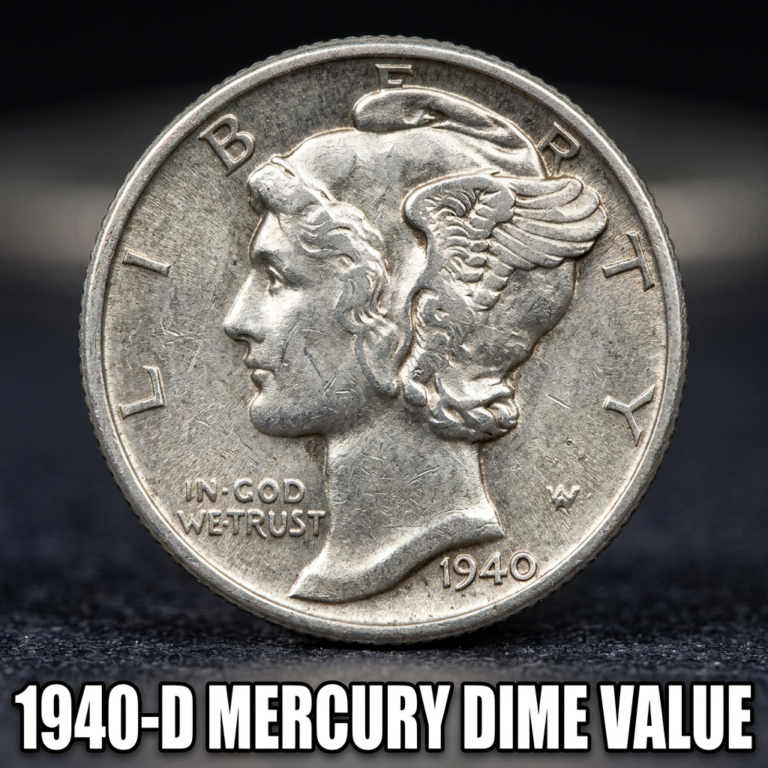
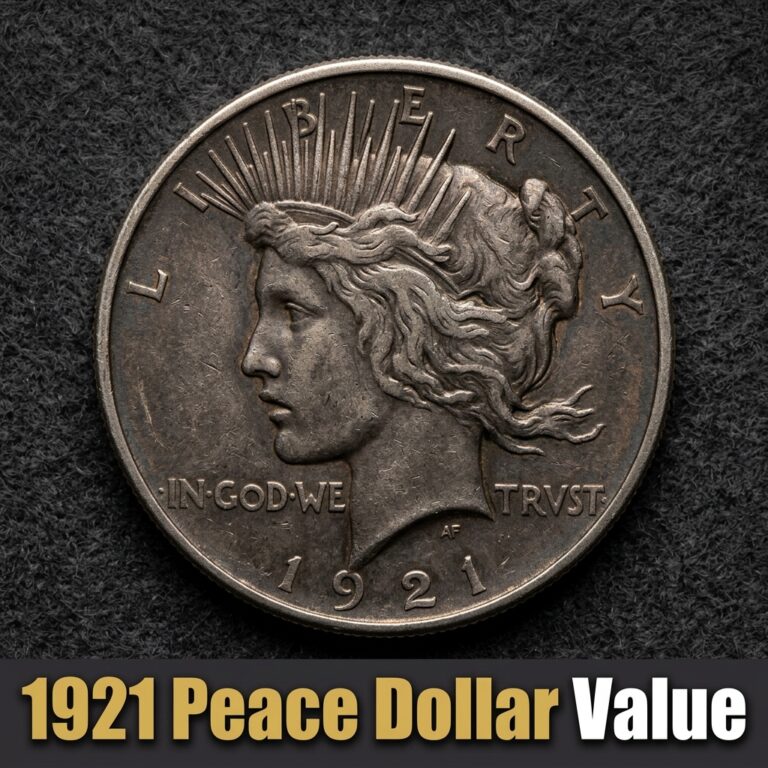
2020-S Roosevelt Dime Value: Is Your Proof Coin Worth Money?

Your Old Coin Could Be Valuable!
Identify It & Know Its Real Value — Free Download


The 2020-S Roosevelt Dime is worth anywhere from $3 in standard proof condition to over $50 for high-grade Deep Cameo specimens. While these coins were not released into general circulation, many people find them in inherited collections or “break-up” sets, wondering if they have stumbled upon a silver treasure or a rare mint error.
| Coin Variation | Grade/Condition | Estimated Value |
|---|---|---|
| 2020-S Clad Proof | PR 65 DCAM | $3 – $5 |
| 2020-S Clad Proof | PR 70 DCAM | $15 – $25 |
| 2020-S Silver Proof | PR 69 DCAM | $12 – $18 |
| 2020-S Silver Proof | PR 70 DCAM | $40 – $65 |
Understanding the 2020-S Roosevelt Dime Minting
When you look at a 2020 dime, the most common ones you’ll see bear the “P” (Philadelphia) or “D” (Denver) mint marks. However, the 2020-S Roosevelt Dime is different because it was struck exclusively at the San Francisco Mint. These coins were produced specifically for collectors as part of Proof Sets and were never intended to spend at a grocery store. If you have found one in your pocket change, it is likely an “impaired proof,” meaning someone accidentally spent a collector’s item.
Identifying your coin’s specifics is easier than ever with the top coin identifier and value app, which can help you distinguish between a standard business strike and a specialized proof strike. The 2020-S dimes feature a mirrored finish and a sharp, frosted relief, a technique known as “Deep Cameo.” Because they are handled with extreme care at the mint, these coins often survive in near-perfect condition.
For those just starting a collection, the CoinKnow app is a fantastic tool to track these modern proofs. It allows you to organize your finds and see real-time market fluctuations. Whether you have the copper-nickel clad version or the precious metal silver version, knowing the mintage numbers—which hover around 460,000 for some sets—is the first step in determining if your dime is a common keeper or a high-value asset.
Your Old Coin Could Be Valuable!
Identify It & Know Its Real Value — Free Download
The Difference Between Clad and Silver 2020-S Dimes
In 2020, the San Francisco Mint produced two distinct types of Roosevelt Dimes. The first is the Clad Proof, composed of the same copper-nickel alloy as standard dimes. The second is the Silver Proof, which is made of .999 fine silver. This is a significant change from older pre-1964 dimes which were 90% silver; the modern 2020 silver proofs are even purer.
Your Old Coin Could Be Valuable!
Identify It & Know Its Real Value — Free Download
Distinguishing between the two can be tricky for the naked eye. You should check the edge of the coin: if you see a solid silver color, it’s likely the silver version. If you see a copper-colored stripe, it is a clad proof. For exact confirmation, professional collectors often check the current auction results for high-grade 2020 dimes to see how much of a premium the silver content adds compared to the base metal version.
| Composition Type | Metal Content | Weight (Grams) |
|---|---|---|
| 2020-S Clad Proof | Cupro-Nickel | 2.27g |
| 2020-S Silver Proof | .999 Fine Silver | 2.53g |
Determining the Value of Proof 70 Deep Cameo Specimens
In the world of coin collecting, “Grade is King.” A 2020-S Roosevelt Dime that looks “just okay” might only be worth its face value or a couple of dollars. However, if the coin is graded as “Proof 70 Deep Cameo” (PR 70 DCAM) by a service like PCGS or NGC, the price jumps significantly. A Proof 70 coin is essentially perfect, with no visible flaws even under 5x magnification.
Your Old Coin Could Be Valuable!
Identify It & Know Its Real Value — Free Download
The collectors who use CoinKnow often search for these top-tier grades because they represent the “best of the best.” While millions of dimes are made every year, only a fraction achieve the perfect 70 grade. This scarcity creates a competitive market where prices can double or triple based on a single point of grading difference.
If you’re curious about how your discovery stacks up against others, you can find a comprehensive breakdown of recent 2020 dime sales and rarity online. Selling a perfect 2020-S silver dime can net you over $60, a massive return for a coin with a ten-cent face value. Remember to always handle your coins by the edges to avoid leaving oils that could lower the grade.
Why the 2020-S Roosevelt Dime is Special to Collectors
The year 2020 was a unique time for the United States Mint. Due to the global pandemic, production schedules were interrupted, and the way coins were distributed changed. This has led many collectors to look closer at coins from this “COVID-19 year.” While the “S” mint mark dimes were produced in controlled sets, the cultural significance of the year adds a layer of “story” to the coin.
Your Old Coin Could Be Valuable!
Identify It & Know Its Real Value — Free Download
Franklin D. Roosevelt has been on the dime since 1946, honoring his role in the March of Dimes and his leadership during the Great Depression and WWII. Modern collectors appreciate the 2020-S specifically for its high-tech manufacturing quality. The laser-frosted portraits on the San Francisco proofs provide a level of detail that old 1940s dimes simply couldn’t achieve.
Using CoinKnow is a great way to stay updated on whether 2020 coins are seeing a “pandemic premium” in the hobby. While they are still relatively common in the collector market, the long-term potential for modern silver proofs is often tied to the price of bullion and the overall popularity of the Roosevelt series among new hobbyists.
How to Identify Potential Errors on a 2020-S Dime
Error coins are the “holy grail” for many everyday Americans searching through their loose change. While the San Francisco Mint has extremely tight quality control for its proof sets, errors do occasionally happen. Common errors to look for include “doubled dies,” where the lettering or the date looks like it was stamped twice, or “clipped planchets,” where a piece of the coin is missing.
Your Old Coin Could Be Valuable!
Identify It & Know Its Real Value — Free Download
Because proof coins are struck twice with higher pressure than regular dimes, any error on a 2020-S Roosevelt Dime is exceptionally rare. If you find a proof dime with a missing mint mark or a strange “strike-through” (where debris gets caught between the die and the coin), you might be looking at a coin worth hundreds of dollars.
Check your 2020-S closely under a magnifying glass. If the Liberty’s eye or the “2020” date shows distinct doubling, you should consult a professional. Most of the time, what people think is an error is just “machine doubling,” which doesn’t add value. True doubled dies are part of the coin’s design and are highly sought after by specialists in the field.
| Error Type | What to Look For | Potential Value |
|---|---|---|
| Doubled Die Obverse | Split serifs on “IN GOD WE TRUST” | $50 – $150+ |
| Strike Through | Indented areas or blurred details | $20 – $100 |
| Broadstruck | Wider, flatter coin without reeded edges | $30 – $80 |
Frequently Asked Questions About 2020-S Dimes
FAQ Section
Q: Can I find a 2020-S dime in my regular pocket change?
A: It is very unlikely but possible. 2020-S dimes were only sold in proof sets to collectors. If you find one in change, someone likely removed it from a set and spent it. These are called “impaired proofs” and usually have scratches that lower their value to about $1 or $2.
Q: Is the 2020-S dime real silver?
A: Some are, and some are not. The US Mint produced both a Copper-Nickel Clad version and a .999 Fine Silver version in 2020. You can tell the difference by looking at the edge of the coin; a silver dime will not have a copper stripe.
Your Old Coin Could Be Valuable!
Identify It & Know Its Real Value — Free Download
Q: How much is a 2020-S Silver Dime worth today?
A: A 2020-S Silver Proof Dime is generally worth between $12 and $15 in its original packaging. If it has been professionally graded as PF 70 Ultra Cameo, its value can exceed $50 depending on the current demand in the market.
Q: Does the 2020-S Dime have any famous errors?
A: As of now, there are no widely reported “major” errors for the 2020-S proof dime. However, minor errors like strike-throughs or small die cracks are always possible and can add a small premium for the right collector.
Q: Where is the mint mark on the 2020 Roosevelt Dime?
A: The mint mark (“S”, “P”, or “D”) is located on the obverse (front) of the coin, just above the date “2020” and to the right of Roosevelt’s neck. If you see an “S”, you have the San Francisco proof strike discussed in this article.