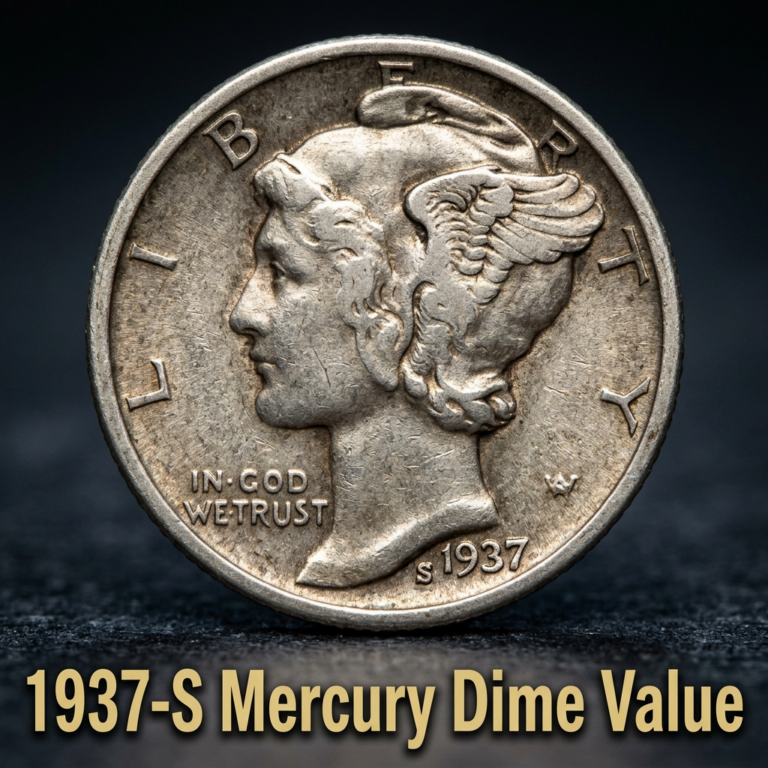
1957 Franklin Half Dollar Value: What Is It Worth Today?

Your Old Coin Could Be Valuable!
Identify It & Know Its Real Value — Free Download


The 1957 Franklin Half Dollar is worth anywhere from $12 in worn condition to over $1,500 in high-grade mint state. Whether you found one in a box of old mementos or received it as part of an inheritance, these silver coins carry significant value due to their high precious metal content and historical appeal.
| Condition / Grade | Estimated Value (USD) |
|---|---|
| Circulated (Average Wear) | $12.00 – $15.00 |
| About Uncirculated (AU) | $16.00 – $22.00 |
| Mint State 63 (Uncirculated) | $25.00 – $35.00 |
| Mint State 65 (Gem Quality) | $50.00 – $120.00 |
| Proof-67 (Collector Specimen) | $150.00 – $400.00+ |
Why the 1957 Franklin Half Dollar Is a Silver Treasure
The 1957 Franklin Half Dollar is a iconic piece of American history, featuring the polymath Benjamin Franklin on the obverse and the Liberty Bell on the reverse. If you are trying to identify your find, using the top coin identifier and value app can help you confirm the date and mint mark instantly. This coin was minted during an era when American currency was still made of 90% silver and 10% copper.
Because of this silver content, every 1957 half dollar has a “melt value” that fluctuates with the global price of silver. Even if the coin is incredibly scratched or worn, it will never be worth less than its weight in silver. For many everyday Americans, these coins represent a stable investment.
If you are just starting your collection, CoinKnow is an excellent tool to help you track your inventory and see how your silver holdings grow in value over time. Collectors often look for the 1957 issue because it is relatively accessible but still offers the thrill of owning “real” money.
Your Old Coin Could Be Valuable!
Identify It & Know Its Real Value — Free Download
Determining the 1957 Half Dollar Value by Mint Mark
In 1957, the United States Mint produced these coins at two different locations: Philadelphia and Denver. Knowing which one you have is crucial because rarity often dictates price. The Philadelphia Mint produced 5,114,000 coins for circulation, while the Denver Mint produced a much larger batch of 19,835,030.
To find the mint mark, look at the reverse side of the coin, right above the “yoke” of the Liberty Bell. If you see a small “D,” it was minted in Denver. If there is no letter at all, it was minted in Philadelphia. Interestingly, despite the Philadelphia version being rarer in terms of mintage, the values remain relatively similar for average-circulated coins.
Your Old Coin Could Be Valuable!
Identify It & Know Its Real Value — Free Download
Detailed 1957 Franklin half dollar price charts show that as the grade increases, the “D” mint mark can sometimes command a slight premium in absolute “Gem” condition. For a fast scan and evaluation, CoinKnow can provide real-time updates on which mint marks are currently trending with buyers.
| Mint Mark | Mintage Quantity | Rarity Factor |
|---|---|---|
| 1957 (No Mint Mark – Philadelphia) | 5,114,000 | Uncommon |
| 1957-D (Denver) | 19,835,030 | Common |
| 1957 Proof (Philadelphia) | 1,247,952 | Rare (Collector Only) |
Condition and Grading: Why “Full Bell Lines” Matter
When evaluating your coin, the condition is the most significant factor after silver content. Professional graders use a 1-70 scale. Most coins found in change are “Circulated,” meaning they have lost some detail to wear. However, “Uncirculated” coins—those that never reached the public’s hands—are worth significantly more.
A major feature collectors look for on the 1957 Franklin Half Dollar is the “Full Bell Lines” (FBL). This refers to the horizontal lines at the bottom of the Liberty Bell on the reverse. If these lines are crisp and uninterrupted, the coin is considered a premium specimen.
Your Old Coin Could Be Valuable!
Identify It & Know Its Real Value — Free Download
According to the latest market data for 1957 Franklin halves, an FBL designation can double or even triple the price of a Mint State 66 coin. If you aren’t sure if your coin has these lines, CoinKnow allows you to upload high-resolution photos to compare your coin against high-grade examples.
The Allure of 1957 Proof Franklin Half Dollars
In 1957, the Mint also produced “Proof” coins specifically for collectors. These were struck using special polished dies and planchets, resulting in a mirror-like finish and incredible detail. About 1.2 million proof sets were sold that year, and today, they are highly sought after by enthusiasts.
Proof coins are graded differently (typically PR or PF instead of MS). A 1957 Proof Franklin in pristine condition (PR68 or higher) can sell for several hundred dollars. Some proofs exhibit a “Cameo” (CAM) or “Deep Cameo” (DCAM) effect, where Franklin’s portrait looks frosted while the background remains shiny and black.
Your Old Coin Could Be Valuable!
Identify It & Know Its Real Value — Free Download
These “Deep Cameo” versions are the holy grail for 1957 collectors. Because the polishing process was inconsistent back then, only a small percentage of proofs earned this designation. Spotting a DCAM proof in an old family collection is like finding a hidden diamond.
| 1957 Proof Grade | Standard Value | Cameo Value |
|---|---|---|
| Proof 65 | $25 | $50 |
| Proof 67 | $60 | $150 |
| Proof 69 | $350 | $2,000+ |
Identifying 1957 Franklin Half Dollar Errors
Error coins are the wildcards of the numismatic world. In 1957, several minor errors occurred during the minting process that can make a coin worth more than its face or silver value. Common errors include “Double Die” strikes, where the lettering appears doubled, or “Repunched Mint Marks” (Bugs Bunny die clash).
The “Bugs Bunny” error is a famous variety in the Franklin series. It occurs when a die clash causes a mark on Franklin’s mouth that looks like buck teeth. While more common in 1955, it can be found in other years as well. Checking your coin for these oddities is half the fun of collecting.
If you suspect you have an error coin, it is best to have it authenticated by a service like PCGS or NGC. Before spending money on professional grading, you can use the community features in CoinKnow to get an initial opinion from other experienced collectors who know exactly what to look for.
Your Old Coin Could Be Valuable!
Identify It & Know Its Real Value — Free Download
How to Store and Sell Your 1957 Silver Coins
If you discover that your 1957 Franklin Half Dollar is worth a substantial amount, you need to protect it. Never clean your coins! Cleaning a coin with chemicals or cloth can create tiny scratches that destroy its numismatic value. Instead, handle the coin by the edges and store it in a PVC-free plastic flip or a specialized coin album.
When you are ready to sell, you have several options. Local coin shops offer convenience but might pay slightly less than market value so they can make a profit. Online auctions like eBay can get you the highest price, but they involve fees and shipping risks.
Always check current silver spot prices before walking into a shop. This ensures you receive at least the “melt value” for your coins. A well-preserved 1957 Franklin is a piece of Americana that many people would love to add to their collection, so take your time to find the right buyer.
FAQ
Q: Is the 1957 Franklin Half Dollar made of real silver?
A: Yes, all Franklin Half Dollars minted between 1948 and 1963 are composed of 90% silver and 10% copper. Each coin contains approximately 0.3617 troy ounces of pure silver.
Your Old Coin Could Be Valuable!
Identify It & Know Its Real Value — Free Download
Q: Where is the mint mark on a 1957 Franklin Half Dollar?
A: The mint mark is located on the reverse side of the coin, directly above the Liberty Bell’s yoke. A “D” indicates Denver, while no mark indicates Philadelphia.
Q: Does cleaning the coin increase its value?
A: No! Cleaning a coin typically reduces its value significantly. Collectors prefer the original “patina” or “luster” of a coin. Even if it looks dirty, leave it in its original state.
Q: What is the “Bugs Bunny” error?
A: This is a die clash error where a part of the eagle’s wing from the reverse die makes a mark on Benjamin Franklin’s upper lip on the obverse die, making him look like he has buck teeth.