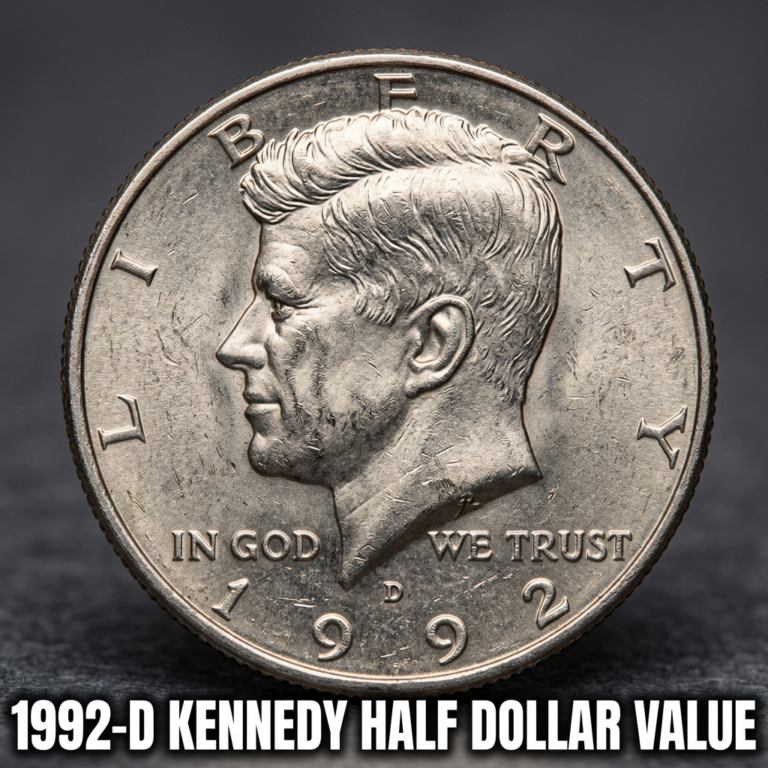
1926-D Wheat Penny Value: How Much Is Your Coin Worth?

Your Old Coin Could Be Valuable!
Identify It & Know Its Real Value — Free Download


The 1926-D Wheat Penny is worth anywhere from $0.50 in worn condition to over $2,500 in high-grade mint state. Finding this specific Denver-minted coin in your change or an old collection is exciting, as it remains a key date for collectors tracking the early decades of the Lincoln Cent series.
| Condition / Grade | Estimated Market Value |
|---|---|
| Good (G-4) | $0.50 – $0.75 |
| Fine (F-12) | $2.50 – $4.00 |
| Extremely Fine (XF-45) | $25.00 – $35.00 |
| Uncirculated (MS-63) | $150.00 – $220.00 |
| Gem Mint (MS-65 Red) | $2,450.00+ |
Understanding the History of the 1926-D Wheat Penny
The 1926-D Wheat Penny was struck at the Denver Mint during a time when the United States was experiencing the “Roaring Twenties.” While the Philadelphia Mint produced nearly 157 million pennies that year, the Denver Mint struck a significantly lower number—just 28,020,000 coins. Because of this lower mintage, any Lincoln Cent with a “D” mint mark from the 1920s is generally more valuable than its Philadelphia counterpart.
If you are just starting your coin collecting journey, identifying these small marks can be tricky without professional help. You can use a top coin identifier and value app to instantly recognize the mint mark and determine the rarity of your find. Using tools like CoinKnow helps everyday Americans avoid spending valuable coins at face value.
In the 1920s, pennies were the workhorse of the American economy. They were used for everything from buying candy to paying for newspapers. Because they circulated so heavily, finding a 1926-D penny in “Mint State” (meaning it looks brand new) is incredibly rare today. Most coins found in jars or old piggy banks will show significant wear, but even a worn 1926-D holds historical and monetary value far above one cent.
Your Old Coin Could Be Valuable!
Identify It & Know Its Real Value — Free Download
Grading and the 1926-D Lincoln Cent Value
Grading is the process of determining a coin’s physical condition, which is the single most important factor in its price. For the 1926-D Wheat Penny, a coin in “Good” condition will have a visible outline of Lincoln, but most details like his hair or the lines on the wheat stalks will be worn flat. These are common and usually sell for less than a dollar.
As you move up the scale to “Fine” or “Very Fine,” you will start to see the lines in the wheat ears on the reverse. Collectors are always looking for “Red” (RD) versions of this coin, which retain the original copper luster from the day they were minted. You can check the 1926-D RD Penny price data to see how the color grade affects the ultimate auction price.
Your Old Coin Could Be Valuable!
Identify It & Know Its Real Value — Free Download
Many people use CoinKnow to get an initial “ballpark” grade before sending their coins to professional services like PCGS or NGC. A small jump in grade, such as from MS-64 to MS-65, can mean a difference of thousands of dollars for this specific Denver strike.
| Grade Designation | Visual Description | Estimated Value |
|---|---|---|
| G-4 (Good) | Heavily worn, inscriptions readable but faint. | $0.60 |
| VF-20 (Very Fine) | Moderate wear, Lincoln’s hair shows detail. | $8.50 |
| AU-50 (About Uncirculated) | Slight wear on high points, some luster. | $85.00 |
| MS-63 (Mint State) | No wear, vibrant luster, minor marks. | $210.00 |
Why the Mint Mark Location Matters
The “D” on the 1926-D Wheat Penny stands for the Denver Mint. In the world of Lincoln Cents, the mint mark is found just below the date on the “heads” side (obverse). If your penny has no letter under the date, it was minted in Philadelphia. If it has an “S,” it was minted in San Francisco.
Your Old Coin Could Be Valuable!
Identify It & Know Its Real Value — Free Download
The 1926-D is considered a “semi-key date.” It is not as rare as the famous 1909-S VDB or the 1914-D, but it is much harder to find than the 1926 Philadelphia issue. For a detailed breakdown of how this coin compares to other 1926 variations, you can view this 1926 Wheat Penny value guide.
Identifying the mint mark correctly is essential because a 1926 penny from Philadelphia in average condition might only be worth 10 cents, while a 1926-D in the same condition is worth five to ten times that amount. Using the CoinKnow app’s zoom feature can help you distinguish between a “D” and an “S” or simply a “blob” of wear.
Errors and Variations to Look For
While the 1926-D is not known for any major “headline” errors like the 1955 Doubled Die, collectors still keep an eye out for minor minting mistakes. These can include die cracks, lamination errors (where the copper peels), or “re-punched mint marks.” A re-punched mint mark (RPM) occurs when the “D” was struck into the die twice, creating a slight shadow or doubling effect on the letter.
Your Old Coin Could Be Valuable!
Identify It & Know Its Real Value — Free Download
Coins with visible errors can often fetch a premium from niche collectors. Even if the coin is worn, a unique error can double or triple its market price. If you find a penny that looks “weird” or has an extra lump of metal, don’t clean it! Cleaning a coin permanently destroys its numismatic value.
Always handle your coins by the edges to avoid getting finger oils on the surface. For the 1926-D, the preservation of the original surface is what separates a $20 coin from a $2,000 coin. If you’re unsure if yours is an error or just damaged, high-resolution photos and community forums are great places to start.
Collecting the Denver Wheat Penny Series
The 1926-D is a must-have for anyone trying to complete a “folder” or “album” of Lincoln Cents. Because it is an early date, many of these coins were pulled from circulation decades ago. Finding one today in a random roll of pennies is like finding a needle in a haystack—but it does happen.
When searching for these coins, focus on the “Wheat Ears” on the back. The sharper the lines on the stalks of wheat, the more likely the coin is to be in a higher grade category. These small details are what professional graders look for when assigning a numeric value from 1 to 70.
Your Old Coin Could Be Valuable!
Identify It & Know Its Real Value — Free Download
| Year and Mint | Mintage | Rarity Level |
|---|---|---|
| 1926 (Philadelphia) | 157,088,000 | Common |
| 1926-D (Denver) | 28,020,000 | Semi-Key Date |
| 1926-S (San Francisco) | 4,550,000 | Key Date |
Where to Sell Your 1926-D Wheat Penny
If you’ve discovered a 1926-D in great condition, you might be wondering where to turn it into cash. For lower-grade coins worth $1 to $10, local coin shops or eBay are your best bets. These venues are perfect for “raw” (uncertified) coins that everyday collectors want for their albums.
However, if you have a coin that looks like it’s never been touched—retaining its bright red-orange copper color—you should consider professional grading. A 1926-D in MS-65 Red condition can sell for thousands at major auction houses like Heritage Auctions or Stack’s Bowers.
Before selling, always check recent “Sold” listings rather than “Asking” prices. Anyone can ask for $10,000 for a penny, but that doesn’t mean it’s worth that much. Using CoinKnow can help you stay updated on the most recent realized prices in the live market, ensuring you get a fair deal.
FAQ
Q: How do I know if my 1926 penny is from Denver?
A: Look at the front of the coin, right under the date “1926.” If you see a small “D,” it was minted in Denver. If there is no letter, it was minted in Philadelphia.
Your Old Coin Could Be Valuable!
Identify It & Know Its Real Value — Free Download
Q: Is a 1926-D penny made of gold?
A: No, all Wheat Pennies from 1926 are made of 95% copper and 5% tin and zinc. However, when they are brand new, they have a bright orange-gold luster that can be misleading to the untrained eye.
Q: Why is the 1926-S more expensive than the 1926-D?
A: The San Francisco Mint (S) only produced about 4.5 million pennies in 1926, which is nearly seven times fewer than the Denver Mint. Higher rarity almost always leads to a higher price.
Q: Should I clean my 1926-D penny to make it look better?
A: Absolutely not! Cleaning a coin with chemicals or clothes creates tiny scratches and removes the “skin” of the metal. Collectors prefer a dirty, authentic coin over a shiny, cleaned one, and cleaning can reduce the value by 50% or more.