1953-S Wheat Penny Value: What Is Your Old Lincoln Cent Worth?

Your Old Coin Could Be Valuable!
Identify It & Know Its Real Value — Free Download


The 1953-S Wheat Penny is worth anywhere from $0.05 in worn condition to over $450 in high-grade mint state. While most found in pocket change carry a modest premium, specific errors and high-quality specimens can fetch hundreds or even thousands of dollars at auction among dedicated copper coin collectors.
| Condition / Grade | Estimated Value (USD) |
|---|---|
| Circulated (Good to Fine) | $0.05 – $0.15 |
| About Uncirculated (AU) | $0.25 – $0.75 |
| Uncirculated (MS-63) | $2.00 – $5.00 |
| Gem Brilliant Uncirculated (MS-65+) | $25.00 – $450.00+ |
Understanding the History of the 1953-S Lincoln Wheat Penny
In 1953, the United States Mint in San Francisco struck millions of Lincoln Wheat cents, marked with the iconic “S” mint mark. If you have recently inherited a collection or found an old penny in a jar, you are likely looking at a piece of American history. Identifying your coin correctly is the first step, and using a top coin identifier and value app can help you distinguish between a common find and a rare variety.
The 1953-S is part of the later years of the Wheat Penny series, which ran from 1909 to 1958. By this time, the San Francisco Mint was producing high volumes of coinage to meet the demands of a post-war economy. While the 1953-S is not considered a “key date” like the 1909-S VDB, it holds a special place in the hearts of collectors because the San Francisco Mint ceased penny production shortly after, in 1955, not resuming until 1968.
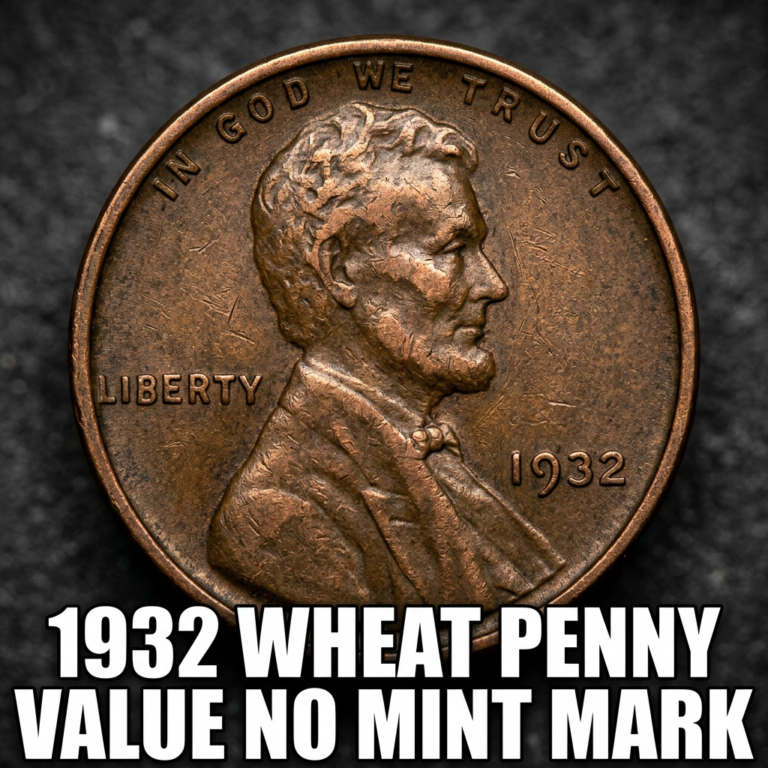
When you look at your coin, you’ll see Victor David Brenner’s classic portrait of Abraham Lincoln on the obverse. On the reverse, the two stalks of wheat frame the words “ONE CENT.” With the CoinKnow app, you can quickly snap a photo to verify these features and check for any immediate red flags regarding authenticity or damage.
Your Old Coin Could Be Valuable!
Identify It & Know Its Real Value — Free Download
Grading and the 1953-S Penny Value Scale
The condition of your 1953-S Lincoln Cent is the single most important factor in determining its worth. Professional graders use a scale from 1 to 70. Most coins found in circulation today fall into the “Good” to “Extremely Fine” range, meaning they show significant wear on Lincoln’s hair and the wheat stalks.
For a 1953-S, “Uncirculated” or “Mint State” (MS) coins are where the real money lies. These coins have never been spent and still retain their original luster. Collectors are especially interested in the color of the copper. Coins are categorized as Red (RD), Red-Brown (RB), or Brown (BN). A “Red” coin is the most desirable, as it looks exactly as it did the day it left the mint.
Your Old Coin Could Be Valuable!
Identify It & Know Its Real Value — Free Download
Using CoinKnow, you can compare your coin against high-resolution images of graded specimens. This allows you to estimate whether your coin is worth the cost of professional grading. You can find detailed 1953-S Wheat Penny price data by grade through online auction archives to see what similar coins have sold for recently.
| Grade Designation | Description | Typical Price |
|---|---|---|
| Brown (BN) | Chocolate color, no original mint orange. | $0.10 – $1.00 |
| Red-Brown (RB) | A mix of copper orange and brown oxidation. | $1.00 – $10.00 |
| Red (RD) | At least 95% of original mint color remains. | $15.00 – $450.00+ |
Rare 1953-S Wheat Penny Errors and Varieties
Errors are what transform an ordinary penny into a high-value treasure. When the San Francisco Mint struck these coins in 1953, several things could go wrong in the machinery. Common errors to look for include “Double Dies,” “Re-punched Mint Marks (RPM),” and “Die Cracks.”
A Re-punched Mint Mark occurs when the “S” was punched into the die more than once, leaving a shadowed or doubled effect on the letter. While not as famous as the 1955 doubled die, a clear 1953-S RPM can significantly increase the value of an otherwise common coin. Use a magnifying glass or the zoom feature on CoinKnow to inspect the area just below the date.
Your Old Coin Could Be Valuable!
Identify It & Know Its Real Value — Free Download
Other errors include “Lamination Errors,” where the copper plating peels away, or “Off-Center Strikes,” where the coin was not properly aligned. These unique quirks are highly sought after by niche collectors. If you suspect your coin has a unique flaw, further research on 1953 penny value and error guides can provide visual examples of what to look for.
Production Numbers and Why Mint Marks Matter
In 1953, the U.S. Mint produced Lincoln cents across three locations: Philadelphia (no mint mark), Denver (D), and San Francisco (S). The San Francisco Mint produced 181,835,000 pennies that year. While this sounds like a massive number, it is significantly lower than the Denver Mint’s production of over 700 million.
Because the San Francisco Mint generally had lower production runs compared to Denver, “S” mint coins often carry a small premium even in lower grades. Collectors often try to complete “S-mint” sets, driving up the demand for even late-era Wheat pennies like the 1953-S. Knowing the mintage numbers helps you understand why your “S” penny might be slightly more valuable than a “D” penny from the same year.
Your Old Coin Could Be Valuable!
Identify It & Know Its Real Value — Free Download
Checking the mint mark is easy: look for the tiny letter “S” located right below the year “1953.” If there is no letter, the coin was made in Philadelphia. If there is a “D,” it was made in Denver. Each has its own market value and demand curve, making the “S” an exciting find for casual searchers.
| Mint Location | Mint Mark | Mintage Quantity |
|---|---|---|
| Philadelphia | None | 256,883,800 |
| Denver | D | 700,515,000 |
| San Francisco | S | 181,835,000 |
How to Safely Store and Preserve Your Pennies
If you find a 1953-S Wheat Penny that looks shiny and new, do not clean it! This is the most common mistake made by new treasure hunters. Cleaning a coin with chemicals, or even a soft cloth, creates microscopic scratches that essentially “kill” its numismatic value. A coin that would have been worth $50 could drop to $2 just because it was polished.
Instead, handle your coins by the edges only. Use PVC-free plastic holders or “2×2” cardboard flips to store them. These prevent moisture and oils from your fingers from causing skin-contact oxidation. Proper storage ensures that if you decide to sell your coin in ten years, it will still retain its current grade and value.
For those with large coffee cans of pennies, sorting them by decade and then by mint mark is a great rainy-day project. As you sort, keep an eye out for any coins that still have that “brand new” orange glow. Those are the ones you should scan into your coin collection app immediately to track their appreciating value over time.
Your Old Coin Could Be Valuable!
Identify It & Know Its Real Value — Free Download
Is the 1953-S Wheat Penny a Good Investment?
While the 1953-S is not typically considered a blue-chip investment like a Gold Eagle, it is a fantastic entry point for hobbyists. The price of copper and the dwindling supply of Wheat pennies in general circulation mean that even common dates are slowly rising in value. For most Americans, the joy is in the “hunt”—finding a 70-year-old coin in the wild.
High-grade specimens (MS-66 and above) have shown steady growth in auction prices. These are rare because most 1953-S pennies were released into circulation and quickly became worn. If you hold a 1953-S in a “Gem” state, you are holding a rarity that only a few thousand people can claim to own in that specific condition.
For the average person, a 1953-S Wheat Penny is a wonderful heirloom. It represents a specific era of American manufacturing and the legacy of the San Francisco Mint. Whether it’s worth 5 cents or 500 dollars, each coin tells a story of where it’s been since the Eisenhower administration.
FAQ
Q: How can I tell if my 1953-S Penny is “Red” or “Brown”?
A: “Red” coins look like modern pennies—bright, coppery, and glowing. “Brown” coins have oxidized over time and look like a dark chocolate bar. “Red-Brown” coins are somewhere in the middle. Red coins are significantly more valuable to collectors.
Your Old Coin Could Be Valuable!
Identify It & Know Its Real Value — Free Download
Q: Is there a 1953-S steel penny?
A: No. Steel pennies were only officially minted in 1943 due to copper shortages during World War II. If you have a silvery 1953 penny, it is likely either plated by someone later or a very rare (and valuable) error of being struck on a dime planchet.
Q: Where is the best place to sell my 1953-S Wheat Penny?
A: For common circulated coins, a local coin shop or eBay is your best bet. For high-value, graded coins (MS-65 and higher), consider professional auction houses like Heritage Auctions or GreatCollections to ensure you get the best market price.
Q: Are all “S” mint pennies rare?
A: Not necessarily. While the San Francisco Mint often had lower mintages than Philadelphia or Denver, millions were still produced. The rarity comes from the coin’s condition and whether it has a specific minting error.