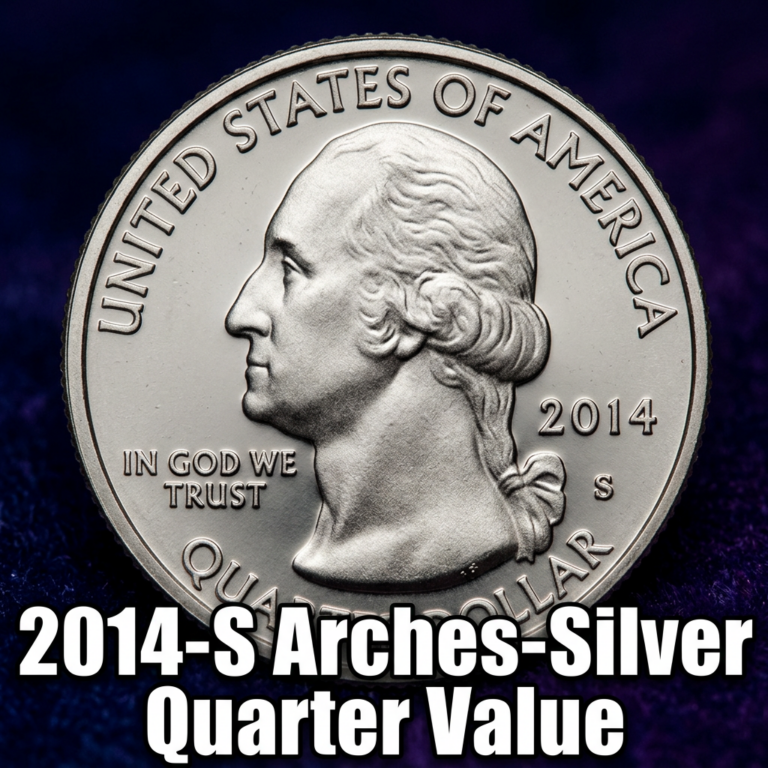
1998-D Kennedy Half Dollar Value: What Is It Worth Today?

Your Old Coin Could Be Valuable!
Identify It & Know Its Real Value — Free Download


The 1998-D Kennedy Half Dollar is worth anywhere from its $0.50 face value in circulated condition to over $1,500 for rare, high-grade specimens. While most of these coins found in your change are only worth fifty cents, specific mint errors and high-quality finishes can command a significant premium among collectors.
| Condition / Grade | Estimated Value |
|---|---|
| Circulated (Average Wear) | $0.50 – $1.00 |
| Uncirculated (MS60 – MS63) | $2.00 – $8.00 |
| Choice Uncirculated (MS65+) | $20.00 – $50.00 |
| Gem Mint State (MS67+) | $300.00 – $1,500+ |
Understanding the Basics of the 1998-D Half Dollar
If you have just discovered a shiny half dollar in an old jar, the first thing to look for is the mint mark. The 1998-D Kennedy Half Dollar was struck at the Denver Mint, signified by the small “D” located just above the date on the obverse (front) of the coin. This year was part of a transitional era for American coinage where the U.S. Mint was refining its production processes.
For the everyday American, it is important to realize that by 1998, half dollars were no longer made of silver for general circulation. Instead, they are composed of a copper-nickel clad “sandwich”—a pure copper core bonded to outer layers of copper and nickel. If you are struggling to identify your coin or its specific minting nuances, using a top coin identifier and value app can help you distinguish between common business strikes and more valuable variants.
Because these coins are large and heavy, they often bumped into each other during the minting and bagging process. This means that finding a 1998-D in “perfect” condition is quite difficult. Most collectors use tools like CoinKnow to track the population of high-grade coins before making a purchase. While over 15 million were minted in Denver that year, only a tiny fraction survived without scratches or “bag marks.”
Your Old Coin Could Be Valuable!
Identify It & Know Its Real Value — Free Download
Grading and the Impact on 1998-D Coin Value
In the world of coin collecting, “Condition is King.” A coin that looks brand new to the naked eye might actually have microscopic imperfections that lower its value. Professional graders use a 70-point scale, where MS70 is a perfect coin. For the 1998-D Kennedy Half Dollar, the jump in price from an MS65 to an MS67 grade can be hundreds of dollars.
Most 1998-D half dollars you find in circulation will be graded as “About Uncirculated” or lower. These are generally worth their face value because millions were produced. However, if you find one that still has its original “mint luster”—that frosty, spinning light effect when you turn it under a lamp—you might have something worth more. You can check current market prices for Kennedy Half Dollars to see how high-grade examples are performing in recent auctions.
Your Old Coin Could Be Valuable!
Identify It & Know Its Real Value — Free Download
The following table breaks down how the grade traditionally affects the market price for these Denver-minted specimens:
| Sheldon Scale Grade | Market Description | Estimated Price |
|---|---|---|
| MS63 | Typical Uncirculated | $5 |
| MS65 | Gem Uncirculated | $25 |
| MS66 | Premium Quality | $65 |
| MS67 | Superb Gem | $450+ |
Identifying 1998-D Mint Errors and Varieties
While the standard 1998-D is common, mint errors can turn a fifty-cent coin into a hundred-dollar treasure. Error hunters often look for “Double Dies,” though these are very rare for the 1998 issuance. More common errors include “Off-Center Strikes,” where the coin blank wasn’t perfectly aligned with the stamps, resulting in a crescent-shaped void.
Your Old Coin Could Be Valuable!
Identify It & Know Its Real Value — Free Download
Another interesting variety to look for is the “Clipped Planchet,” where a piece of the coin’s circular edge is missing because of an issue with the metal sheet cutting process. Many hobbyists utilize the CoinKnow app to scan their coins and identify these strange anomalies. Even a small “Die Crack”—a thin raised line of metal caused by a breaking stamp—can add a few dollars to the value for a niche collector.
If you suspect you have an error, compare it to known examples of 1998 Kennedy value errors online. Because these coins were struck at high speeds, mechanical errors are always a possibility. Always keep an eye out for “Die Clashes,” where the obverse and reverse dies hit each other without a coin in between, leaving a faint ghost image of the opposite side on future coins.
Silver vs. Clad: Is the 1998-D Half Dollar Silver?
A common question from beginners is whether their 1998 half dollar contains silver. In 1964, these coins were 90% silver. From 1965 to 1970, they were 40% silver. However, by 1998, the standard Denver (D) and Philadelphia (P) coins were strictly copper-nickel clad. They do not contain any precious metal value.
Your Old Coin Could Be Valuable!
Identify It & Know Its Real Value — Free Download
However, the San Francisco Mint (S) did produce silver versions in 1998 specifically for collectors in Proof Sets. These will have an “S” mint mark and a mirror-like finish. If you see a “D” mint mark, you can be 100% certain it is a clad coin. You can check the edge of the coin; if you see a distinct copper stripe around the middle, it is a clad coin.
Collectors who are building a complete set of Kennedy Half Dollars still value the 1998-D because it is necessary for the “Date and Mint” collection. While it lacks silver bullion value, its numismatic (collector) value remains steady. The CoinKnow platform frequently highlights that for modern coins, the “eye appeal” and lack of scratches strike a bigger chord with buyers than the metal content itself.
Market Trends and Selling Your 1998-D Kennedy Half Dollar
The market for modern half dollars is fueled by “Registry Set” collectors—these are individuals who compete to own the highest-graded version of every coin in a series. Because of this, a 1998-D in an MS67 grade might sell for five times more than one in MS66 at an auction hosted by Heritage Auctions or Stack’s Bowers.
Your Old Coin Could Be Valuable!
Identify It & Know Its Real Value — Free Download
If you are looking to sell, don’t expect a local coin shop to pay much for a circulated 1998-D. Most shops have bags of them and will only offer face value. To get the best price, you must have a coin that is either professionally graded by PCGS or NGC, or it must have a very obvious and dramatic mint error.
| Sales Channel | Best For… | Expected Return |
|---|---|---|
| Local Coin Shop | Quick Cash / Bulk | Face Value ($0.50) |
| eBay (Raw) | Shiny, Uncirculated coins | $2 – $10 |
| Major Auction Houses | PCGS MS67 or Errors | $200 – $1,000+ |
Why the 1998-D Matters to Modern Collectors
The Kennedy Half Dollar is one of the most beloved designs in American history, featuring the profile of President John F. Kennedy. By 1998, these coins were rarely used in daily commerce, as the public had moved toward quarters and paper dollars for most transactions. This means many 1998-D coins sat in bank vaults or were sold in “uncirculated mint sets” directly to the public.
Finding a “circulated” 1998-D is actually rarer in some ways than finding one in a mint set, though it isn’t worth more because of the damage it sustained. For the average person, the 1998-D is a piece of history from the late 90s. Whether you are keeping it for a child’s collection or hoping to find a “diamond in the rough” to sell for a profit, knowing how to identify the quality of the strike is the first step toward becoming a successful hobbyist.
FAQ
Q: Does the 1998-D Kennedy Half Dollar contain silver?
A: No, the 1998-D is a clad coin made of copper and nickel. The only 1998 half dollars that contain silver are the “S” mint marked Proof coins found in special Silver Premier Proof Sets.
Your Old Coin Could Be Valuable!
Identify It & Know Its Real Value — Free Download
Q: How can I tell if my 1998-D is worth more than 50 cents?
A: Look for two things: extreme brilliance (luster) and a lack of marks. If the coin looks like a mirror and has no visible scratches even under a magnifying glass, it might be worth grading. Otherwise, look for errors like off-center strikes.
Q: Where is the mint mark on a 1998 Kennedy Half Dollar?
A: The mint mark is located on the obverse side (the “heads” side). Look just above the numbers of the date (1998); you will see a small “D” for Denver, “P” for Philadelphia, or “S” for San Francisco.
Q: Is it worth spending money to grade a 1998-D coin?
A: Generally, no. Unless the coin is in absolutely pristine, “flawless” condition (looking better than coins usually found in mint sets), the cost of grading ($30-$60) will likely exceed the value of the coin itself.