2011-P Vicksburg Quarter Value: Is Your Change Worth Money?

Your Old Coin Could Be Valuable!
Identify It & Know Its Real Value — Free Download


The 2011-P Vicksburg Quarter is worth anywhere from $0.25 in worn condition to over $500 in high-grade Mint State or for rare errors. While most coins you find in your pocket are only worth face value, certain specimens can be surprisingly valuable to collectors and history buffs alike.
| Condition / Grade | Estimated Market Value |
|---|---|
| Circulated (Average Pocket Change) | $0.25 |
| Uncirculated (Mint State 63) | $1.50 – $3.00 |
| Choice Uncirculated (Mint State 65) | $10.00 – $25.00 |
| Superb Gem (Mint State 67+) | $150.00 – $550.00+ |
| Major Errors | $50.00 – $300.00 |
Understanding the 2011-P Vicksburg Quarter History
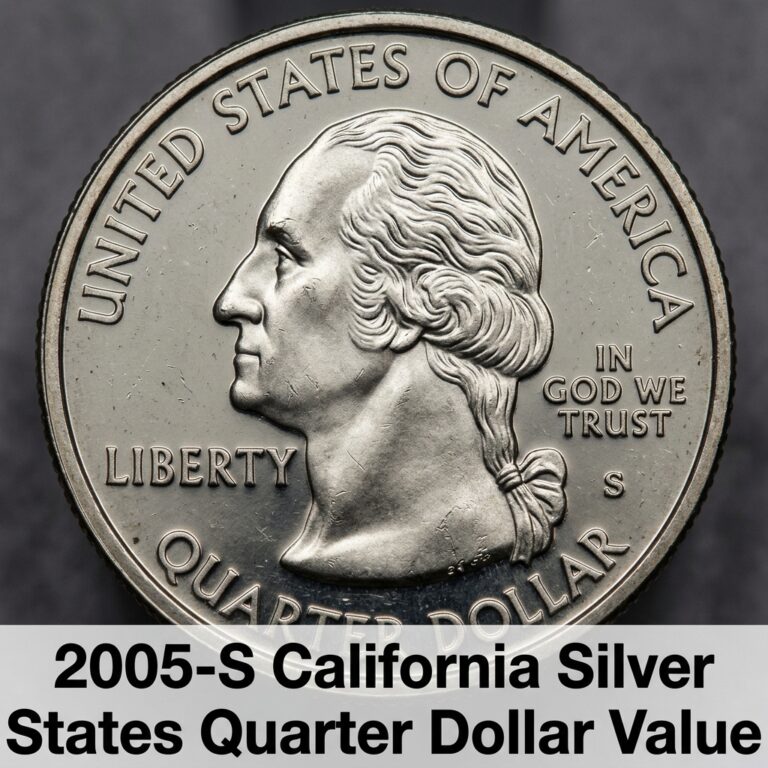
The 2011 Vicksburg National Military Park Quarter was the ninth release in the “America the Beautiful” series. This ambitious program by the U.S. Mint sought to honor a national site in every state and territory. If you have found one of these in your change, you can easily identify its origin by looking for the “P” mint mark located on the right side of George Washington’s portrait. Using a top coin identifier and value app can help you confirm the strike type and see how your coin compares to known examples.
The “P” stands for the Philadelphia Mint, which produced these coins for general circulation. Unlike modern silver quarters, these are made of a copper-nickel clad composition. Because they were minted in relatively lower numbers compared to quarters from the 1990s or 2020s, they are becoming harder to find in pristine condition.
The design features the U.S.S. Cairo, a Civil War ironclad gunboat, as it would have appeared on the Yazoo River. For casual hunters, using CoinKnow is a great way to scan these designs and instantly pull up historical context and current market data. Many people overlook these quarters, thinking they are just modern change, but knowing the specifics of the Philadelphia strike can lead to a nice payday if the condition is right.
Your Old Coin Could Be Valuable!
Identify It & Know Its Real Value — Free Download
Condition and Grade: Determining Your Quarter’s Worth
When it comes to the 2011-P Vicksburg quarter value, the “grade” is the most important factor. Grading is a scale from 1 to 70 used by professionals to determine how much wear a coin has. Most quarters in your wallet are “Circulated,” meaning they have scratches and dullness from being used at grocery stores or vending machines.
Your Old Coin Could Be Valuable!
Identify It & Know Its Real Value — Free Download
An “Uncirculated” coin, however, looks like it just popped out of the minting machine. It has a bright luster and no visible wear on the high points of the design. Professional collectors look for “Full Steps” or crisp details on the ship’s architecture. To get a better idea of what high-quality strikes sell for, you can check this 2011-P Vicksburg price data for Mint State specimens.
If you aren’t sure whether your coin is a “Gem” or just “Shiny,” the CoinKnow app can provide a preliminary assessment based on high-resolution photos. While a standard circulated quarter is worth 25 cents, an MS67 graded quarter can fetch hundreds of dollars at auction because so few survived the bagging process without getting scratched.
Your Old Coin Could Be Valuable!
Identify It & Know Its Real Value — Free Download
| Sheldon Grade | Description | Value Range |
|---|---|---|
| MS63 | Typical Mint State with marks | $2 – $5 |
| MS65 | Gem Quality; beautiful luster | $15 – $30 |
| MS66 | Very few distracting marks | $40 – $85 |
| MS67 | Nearly perfect to the naked eye | $150 – $450 |
Rare Errors to Look For in 2011 Quarters
The real money for “everyday” hunters often lies in mint errors. During the high-speed production of millions of coins, things occasionally go wrong. The 2011-P Vicksburg Quarter has several documented minor errors that can increase its value significantly. One of the most common things to look for is a “Die Chip.”
Die chips occur when a small piece of the steel minting die breaks off, leaving a raised “blob” of metal on the coin’s surface. On the Vicksburg design, check the smoke stacks or the water around the boat. Another exciting error is the “Doubled Die.” If the die was engraved twice, you might see a faint ghosting or doubling of the letters in “Vicksburg” or “E Pluribus Unum.”
Another valuable find is the “Off-Center” strike. This happens when the blank coin isn’t properly aligned, resulting in a crescent-shaped missing piece of the design. These are very obvious and can be worth $100 or more. You can look up specific 2011 quarter value information to see which errors are currently trending among collectors. If you find something weird, CoinKnow can help you identify if it’s a true mint error or just post-mint damage.
Your Old Coin Could Be Valuable!
Identify It & Know Its Real Value — Free Download
Mintage Numbers and Scarcity
In the world of coin collecting, supply and demand dictate the price. The Philadelphia Mint produced approximately 30.8 million Vicksburg quarters in 2011. While 30 million sounds like a lot, it is actually quite low compared to other quarters. For example, some years see mintages of over 500 million for a single design.
This lower mintage makes the 2011-P Vicksburg a “semi-key” date for people trying to complete their America the Beautiful albums. As the years go by, more of these coins are lost, damaged, or tucked away in private collections. This natural attrition increases the value of the remaining high-grade coins.
Because of this relative scarcity, even a clean “AU” (About Uncirculated) coin—one that looks new but has just a tiny bit of wear—might sell for a small premium over its face value to a collector who needs that specific slot filled. Keeping a sharp eye on your change is the only way to find these before they disappear from circulation entirely.
Your Old Coin Could Be Valuable!
Identify It & Know Its Real Value — Free Download
| Mint Mark | Mintage Weight | Total Produced |
|---|---|---|
| Philadelphia (P) | 5.67 grams | 30,800,000 |
| Denver (D) | 5.67 grams | 33,400,000 |
| San Francisco (S) Proof | Varies | ~2,000,000 |
How to Sell Your 2011-P Vicksburg Quarter
If you believe you have a valuable find, your next step is to decide how to sell it. For coins worth $1 to $10, selling on platforms like eBay might not be worth the shipping costs unless you sell them in “rolls” or sets. However, if your CoinKnow scan suggests you have a high-grade MS67 or a major error, professional auction houses or local coin shops are the way to go.
Before selling, never clean your coins. Common household cleaners or even a soft cloth can leave microscopic scratches that ruin the coin’s value. Collectors prefer a “dirty” coin with original skin over a shiny coin that has been scrubbed. Simply place the coin in a plastic “flip” or a small envelope to protect it from further damage.
The market for America the Beautiful quarters is currently very active. Many young collectors are entering the hobby, and the demand for the 2011 series is particularly strong because of the beautiful U.S.S. Cairo design. Keep track of recent sales to ensure you get a fair price for your piece of American history.
| Platform | Best For… | Estimated Fees |
|---|---|---|
| eBay | Mid-range coins ($10-$100) | 10-15% |
| Local Coin Shop | Quick cash / Professional advice | Varies (Wholesale price) |
| Heritage Auctions | Rare Errors & High Grades (+$500) | Commission based |
Frequently Asked Questions
Q: Is the 2011-P Vicksburg Quarter made of silver?
A: No, the 2011-P Vicksburg Quarter found in circulation is made of a copper-nickel clad composition. The U.S. Mint did produce silver versions for special collector sets (marked with an “S”), but the “P” mint mark indicates a standard clad coin.
Your Old Coin Could Be Valuable!
Identify It & Know Its Real Value — Free Download
Q: What is the most expensive Vicksburg Quarter ever sold?
A: High-grade specimens in MS68 have been known to sell for over $500 at major auctions. Most coins, however, are worth significantly less unless they are in perfect condition or feature a major minting error.
Q: Where is the mint mark on the 2011 Vicksburg Quarter?
A: The mint mark is located on the obverse (heads) side of the coin. Look to the right of George Washington’s ponytail, just below the “In God We Trust” motto. A “P” indicates Philadelphia, and a “D” indicates Denver.
Q: Should I get my Vicksburg Quarter professionally graded?
A: You should only consider professional grading (by companies like PCGS or NGC) if the coin appears to be in absolutely flawless condition or has a major error. Since grading costs $30-$50 per coin, it only makes sense if the potential value of the coin is over $100.