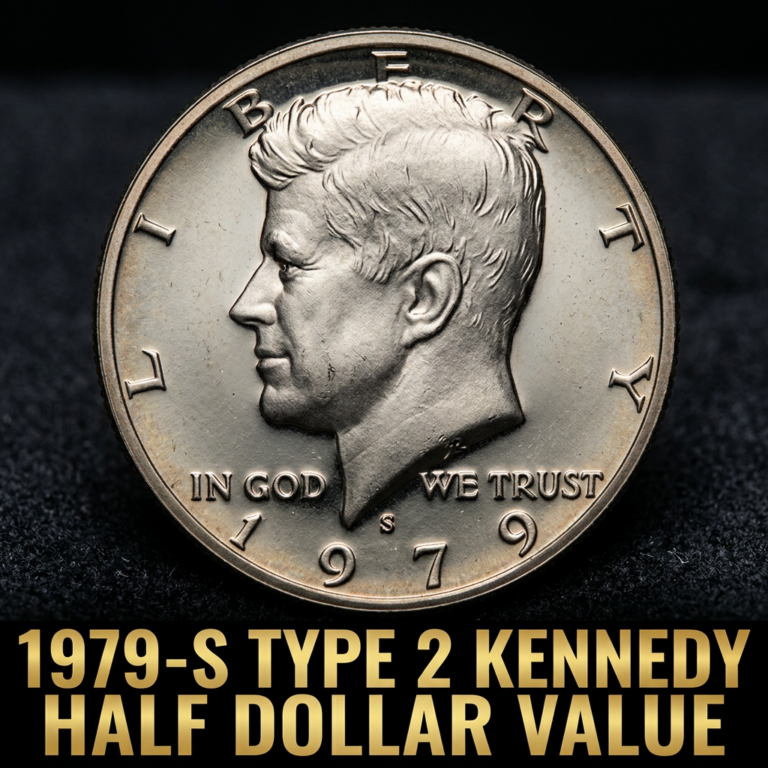
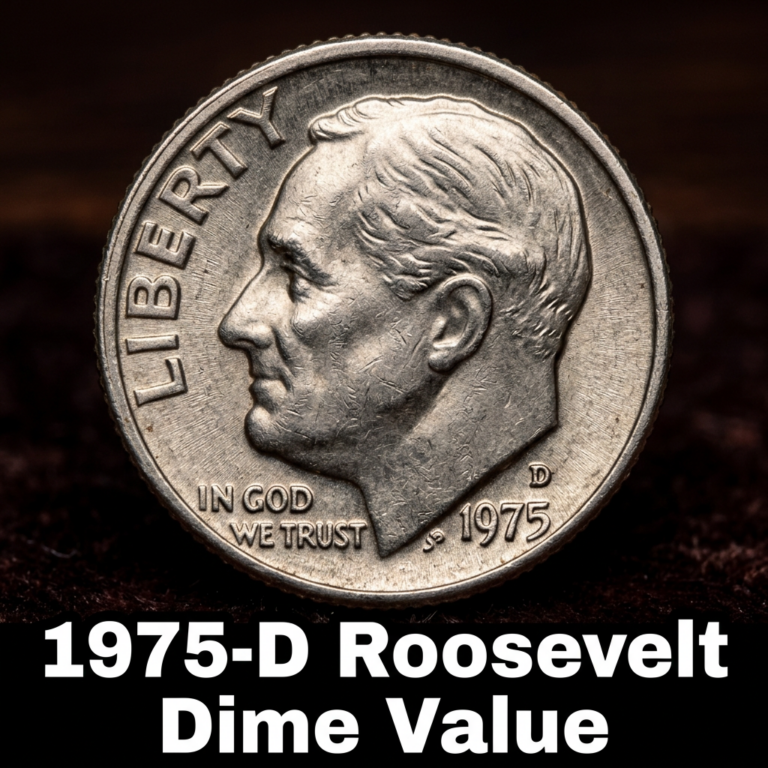
1960-D Roosevelt Dime Value: Is Your Pocket Change Silver?

Your Old Coin Could Be Valuable!
Identify It & Know Its Real Value — Free Download


The 1960-D Roosevelt Dime is worth anywhere from $2.00 in average circulated condition to over $600 for high-grade Mint State specimens. Because these coins were minted before the transition to copper-nickel, their value is primarily tied to their 90% silver content, making them a “treasure” hiding in plain sight.
| Condition | Estimated Value Range |
|---|---|
| Circulated (Average Wear) | $2.00 – $2.50 |
| About Uncirculated (AU) | $2.75 – $4.00 |
| Mint State (MS60-MS65) | $5.00 – $35.00 |
| High Grade (MS67+ Full Bands) | $150.00 – $600.00+ |
Understanding the Silver Content and Market Demand
Finding an old dime while sorting through change can be an exciting moment for any American. The most important thing to know about the 1960-D Roosevelt Dime is that it belongs to the “Silver Era.” Unlike the dimes you spend at the grocery store today, which are made of copper and nickel, this coin is 90% silver. If you are unsure if your coin is silver, using a top coin identifier and value app can help you confirm its composition and current market worth instantly.
The “D” on this coin stands for the Denver Mint, which produced over 200 million of these dimes in 1960. While they are common, their “melt value” provides a very solid floor for their price. As silver prices fluctuate, the base value of this coin moves with it. Currently, even a heavily worn 1960-D dime is worth significantly more than its ten-cent face value. Collectors often look for these coins to complete “junk silver” bags or to fill holes in Whitman folders.
For those who have a collection but aren’t experts, the CoinKnow app provides an easy way to track your portfolio. By scanning your coin, you can see how silver market trends affect your specific year and mint mark. It is a must-have tool for everyday people who want to keep an eye on their “hidden” wealth.
Your Old Coin Could Be Valuable!
Identify It & Know Its Real Value — Free Download
Grading the 1960-D Roosevelt Dime
Condition is everything in the world of numismatics. When evaluating your 1960-D Roosevelt Dime, you need to look at the level of detail remaining on Roosevelt’s hair and the lines on the torch on the reverse side. Most coins found in jars or old piggy banks will fall into the “Circulated” category. These have visible wear but are still worth their weight in silver.
“Mint State” coins are those that never made it into public circulation. These coins retain their original luster—that “frosty” look that catches the light. If you think you’ve found an exceptionally shiny dime, you should check the 1960-D Roosevelt Dime price guide for Mint State grades to see if it’s worth sending to a professional grading service like PCGS or NGC. A jump from MS65 to MS67 can mean a difference of hundreds of dollars.
Your Old Coin Could Be Valuable!
Identify It & Know Its Real Value — Free Download
| Grade Group | Visual Characteristics | Rarity |
|---|---|---|
| Good / Very Good | Flat details, clear rims | Very Common |
| Extremely Fine | Hair lines visible, slight wear | Common |
| Uncirculated | Full mint luster, no wear | Scarce in high grades |
The “Full Bands” Designation and Why It Matters
One term you might encounter while researching 1960-D Roosevelt Dime value is “Full Bands” (FB). On the reverse of the dime, there is a torch. This torch has horizontal bands at the top and bottom. Because of the way coins are struck, these bands are often blurry or fused together. If a dime has completely separated, distinct horizontal lines, it is designated as Full Bands.
A 1960-D dime with Full Bands is significantly more valuable to collectors. This designation proves that the coin was struck with high pressure and carefully preserved. While a standard MS66 1960-D dime might sell for $20, the same grade with a Full Bands designation could fetch $50 or more. This is where professional tools like CoinKnow become invaluable, as they help you identify these subtle features that the naked eye might miss.
Your Old Coin Could Be Valuable!
Identify It & Know Its Real Value — Free Download
Before selling your coin to a local pawn shop, it is wise to consult a detailed 1960 Roosevelt Dime value chart to ensure you aren’t leaving money on the table. Many people overlook the small details that elevate a common silver coin into a high-value collector’s item.
Rare Varieties and Mint Errors for 1960-D
While the 1960-D series is generally consistent, error hunters are always on the lookout for anomalies. The most common “error” to look for in the 1960-D series is the Re-Punched Mint Mark (RPM). This occurs when the “D” stamp was struck twice into the die, creating a shadowed or doubled appearance on the letter.
Another rare occurrence is a “clipped planchet” or “off-center strike.” These errors happen during the manufacturing process and can turn a standard two-dollar silver coin into something worth $50, $100, or more. If your 1960-D Roosevelt Dime looks strange—perhaps it’s missing a section or the image is skewed—it might be an error.
Your Old Coin Could Be Valuable!
Identify It & Know Its Real Value — Free Download
| Error Type | Description | Price Premium |
|---|---|---|
| Re-Punched Mint Mark | Double ‘D’ under Roosevelt’s ear | $10 – $30 |
| Off-Center Strike | Image is not centered on the coin | $20 – $100+ |
| Die Crack | Raised lines from a cracked die | $5 – $15 |
How to Safely Store Your Silver Dimes
If you discover that you have a high-value 1960-D Roosevelt Dime, the worst thing you can do is clean it. Cleaning a coin with chemicals or even a soft cloth can create microscopic scratches that destroy its numismatic value. Collectors want coins in their original, natural state, even if they have some oxidation or “toning.”
To preserve the 1960-D Roosevelt Dime value, store your coins in PVC-free flips or acid-free paper envelopes. For very valuable specimens, hard plastic slabs from grading companies are the best choice. This prevents oils from your skin and moisture in the air from damaging the silver over time.
Using the CoinKnow app allows you to keep a digital record of your inventory, including photos of your coins’ current condition. This is helpful for insurance purposes or just for showing off your find to friends without having to handle the actual coin and risk damaging it.
Your Old Coin Could Be Valuable!
Identify It & Know Its Real Value — Free Download
Comparing 1960-P vs. 1960-D Roosevelt Dimes
Is there a difference between the 1960 Philadelphia dime (no mint mark) and the 1960 Denver dime (D mark)? In terms of mintage, Philadelphia produced about 70 million, while Denver produced over 200 million. Ironically, even though Denver coins are more common, they often carry a similar price tag in lower grades due to the silver content.
In the highest grades (MS67 and above), Philadelphia coins sometimes command a premium because fewer were saved in pristine condition compared to the massive Denver output. However, for the average person finding a coin in a drawer, the “D” or lack thereof won’t change the value much—the silver content remains the star of the show.
| Mint Mark | Mintage | Survival Rate |
|---|---|---|
| 1960 (No Mark) | 70,290,000 | High |
| 1960-D (Denver) | 202,752,274 | Very High |
FAQ
Q: Is every 1960-D dime silver?
A: Yes, all Roosevelt Dimes minted in 1960 at both the Philadelphia and Denver mints are composed of 90% silver and 10% copper. The US transitioned to the current clad (base metal) composition in 1965.
Q: Where do I find the mint mark on a 1960-D Roosevelt Dime?
A: On the 1960-D dime, the mint mark is located on the reverse side (the back). Look at the bottom of the torch; you will see a small “D” just to the left of the base of the torch.
Your Old Coin Could Be Valuable!
Identify It & Know Its Real Value — Free Download
Q: How much silver is in a 1960-D dime?
A: A 1960-D Roosevelt Dime contains approximately 0.07234 troy ounces of pure silver. This is why the price of the coin usually fluctuates based on the daily spot price of silver.
Q: Should I get my 1960-D dime graded?
A: Generally, it is only worth paying for professional grading if the coin is in “brilliant uncirculated” condition or shows signs of a rare error. For most circulated coins, the grading fee would cost more than the coin is worth.
Q: Can I still find these in my pocket change?
A: While rare, it is still possible! Most silver dimes have been pulled out of circulation by savvy collectors over the last 60 years, but occasionally someone spends an old collection, and these silver treasures end up back in the wild.