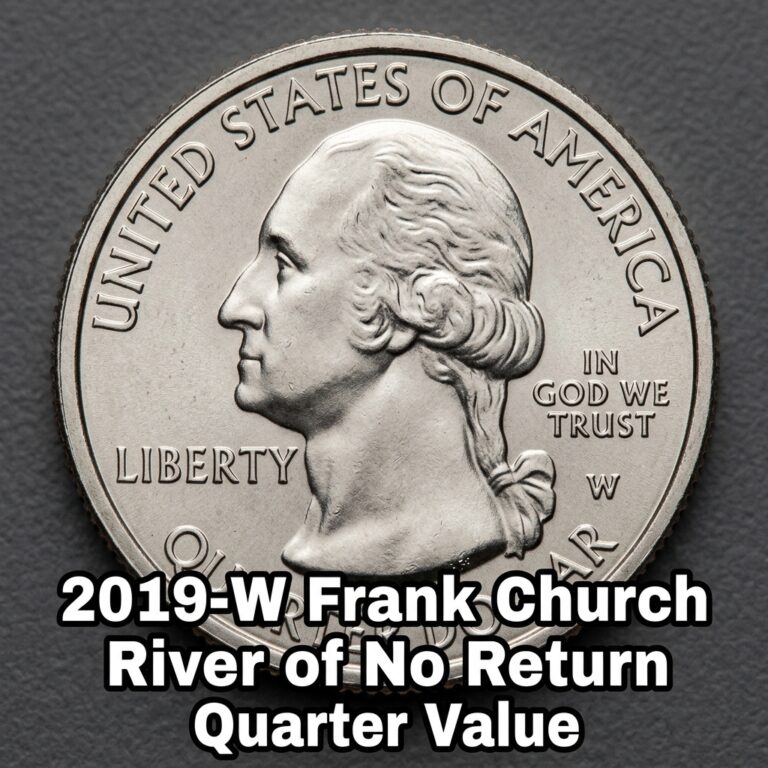
1952 Washington Quarter Value No Mint Mark: Price Guide

Your Old Coin Could Be Valuable!
Identify It & Know Its Real Value — Free Download


The 1952 Washington Quarter No Mint Mark is worth anywhere from $6 in worn condition to over $600 in high-grade mint state. Finding one in your spare change or an old jar is always exciting, as silver quarters carry intrinsic metal value far beyond their face value.
| Condition | Estimated Value |
|---|---|
| Good (G-4) | $6.00 – $7.00 |
| Fine (F-12) | $7.50 – $9.00 |
| Extremely Fine (EF-40) | $10.00 – $12.00 |
| Uncirculated (MS-63) | $25.00 – $35.00 |
| Choice Uncirculated (MS-65+) | $50.00 – $600+ |
Understanding the 1952 Washington Quarter No Mint Mark
If you are holding a 1952 quarter and cannot find a small letter on the reverse side, you have a coin minted in Philadelphia. During this era, the Philadelphia Mint did not use a mint mark on quarters. If you are unsure about the specifics of your find, using a top coin identifier and value app can help you confirm the origin and variety of your silver coins in seconds.
The 1952 Philadelphia quarter is a classic piece of American numismatic history. Composed of 90% silver and 10% copper, its value is anchored by its “melt value,” which fluctuates with the daily spot price of silver. However, for collectors, the numismatic premium—the value added because of the coin’s rarity or condition—is what truly matters.
In 1952, the Philadelphia Mint produced 38,780,000 of these quarters. While this was a significant mintage, finding one in pristine, untouched condition is becoming increasingly difficult. Many common Americans use the CoinKnow app to scan their loose change, often discovering that what looks like an ordinary quarter is actually a valuable piece of silver history.
Your Old Coin Could Be Valuable!
Identify It & Know Its Real Value — Free Download
The Silver Content and Precious Metal Value
Because every 1952 Washington Quarter contains roughly 0.1808 troy ounces of pure silver, it will never be worth just twenty-five cents again. Even if the coin is heavily scratched or worn down until the details are barely visible, it still commands a premium because of its metal content.
When silver prices rise, the baseline value of these quarters follows suit. This makes them a popular “junk silver” investment for those who want to hedge against inflation. However, you should never sell a 1952 quarter for just its silver weight without checking its grade first.
Your Old Coin Could Be Valuable!
Identify It & Know Its Real Value — Free Download
Using professional tools to track current 1952 quarter market prices ensures you don’t accidentally sell a high-grade gem for the price of common scrap metal. Collectors are always looking for “white” coins—those that haven’t developed dark tarnish or “toning”—and will pay significantly more for them.
| Metal Composition | Weight | Silver Weight (ASW) |
|---|---|---|
| 90% Silver, 10% Copper | 6.25 grams | 0.1808 oz |
How to Grade Your 1952 Philadelphia Quarter
Determining the grade of your coin is the most critical step in figuring out its worth. Grading is the process of evaluating how much wear and tear a coin has suffered since it left the mint. For a 1952 Washington Quarter, you want to focus on the highest points of the design: Washington’s cheek and the feathers on the eagle’s breast.
Your Old Coin Could Be Valuable!
Identify It & Know Its Real Value — Free Download
In “Good” condition, the letters and the date will be visible, but the rim might be merging with the field of the coin. In “Fine” condition, Washington’s hair lines will start to show some detail. “Extremely Fine” coins look almost new but show slight smoothing on the hair above the ear.
If your coin has a mirror-like luster and no signs of wear, it is “Uncirculated.” This is where the value jumps from a few dollars to potentially hundreds. To get an accurate reading on these higher grades, many hobbyists rely on the CoinKnow app, which uses advanced image recognition to provide a ballpark grade and valuation instantly.
1952 Washington Quarter Error Coins to Look For
While the standard 1952 No Mint Mark quarter is valuable, certain mint errors can send the price skyrocketing. Errors occur during the manufacturing process and create unique specimens that collectors crave. The most common errors found in the 1850s-1960s series include doubled dies, off-center strikes, and clipped planchets.
Your Old Coin Could Be Valuable!
Identify It & Know Its Real Value — Free Download
A “Doubled Die” error happens when the hub strikes the die twice at slightly different angles. On a 1952 quarter, look closely at the lettering of “IN GOD WE TRUST” or the date. If you see a faint doubling of the numbers or letters, you could have a coin worth hundreds of dollars.
Another variety to watch for is the “re-punched mint mark,” though this obviously wouldn’t apply to the Philadelphia “No Mint Mark” version. However, checking detailed 1952 silver quarter value info can reveal niche varieties that are specific to the Philadelphia strike, such as die cracks or “cuds,” which add character and value to the coin.
| Error Type | Description | Potential Value |
|---|---|---|
| Double Die Obverse | Doubling visible in Liberty or Date | $50 – $200+ |
| Off-Center Strike | Design shifted off the coin blank | $20 – $150 |
| Die Crack | Raised lines from a cracked mold | $5 – $30 |
Market Trends and Value Factors for 1952 Quarters
The market for 1940s and 1950s silver quarters has remained remarkably stable. Because these coins are “transitional”—meaning they are old enough to be silver but young enough that many were saved in rolls—the competition for the highest-grade examples (MS67 and above) is fierce.
If you find a 1952 quarter that looks like it just came out of a fresh bank roll, do not clean it! Cleaning a coin with chemicals or even a soft cloth can create micro-scratches that destroy its numismatic value. A natural “patina” or even some colorful toning (caused by oxidation) can actually increase the price among specific collectors.
Your Old Coin Could Be Valuable!
Identify It & Know Its Real Value — Free Download
Before you head to a local coin shop, it’s a smart move to use CoinKnow. The app allows you to document your collection and see how market trends are shifting. Whether you have a single coin or a whole bag of silver quarters, knowing the current demand helps you negotiate a fair price with dealers or buyers.
Final Thoughts on the 1952 Quarter No Mint Mark
Whether you are a seasoned collector or someone who just stumbled upon a shiny silver coin in an old piggy bank, the 1952 Washington Quarter is a rewarding find. Its mix of silver bullion value and historical appeal makes it a staple of American coinage.
Remember to check the condition, look for errors, and keep an eye on silver spot prices. While most circulated examples will sell for around $6 to $10, the “diamond in the rough” could be worth a lot more. Always handle your coins by the edges to preserve their condition and ensure they remain a valuable asset for years to come.
FAQ
Q: Where is the mint mark on a 1952 Washington Quarter?
A: On the 1952 quarter, the mint mark (if there is one) is located on the reverse (back) side, specifically below the wreath that the eagle is sitting on. If there is no letter (D or S), the coin was minted in Philadelphia and is referred to as a “No Mint Mark” coin.
Your Old Coin Could Be Valuable!
Identify It & Know Its Real Value — Free Download
Q: Is a 1952 quarter made of real silver?
A: Yes, all Washington quarters minted in 1952 are composed of 90% silver. This remained the standard for U.S. quarters until 1964, after which the composition was changed to a copper-nickel “clad” sandwich.
Q: Why is my 1952 quarter worth more than 25 cents?
A: It is worth more for two reasons: its silver content and its collector value. The silver alone is worth several dollars regardless of condition. If the coin is in great condition or has a rare error, collectors will pay a significant premium over the silver price.
Q: Should I clean my 1952 silver quarter to make it look better?
A: No! You should never clean collectible coins. Cleaning removes the original surface of the metal and greatly reduces the value to collectors. If you want to preserve its value, keep it in a protective flip or a dry place.