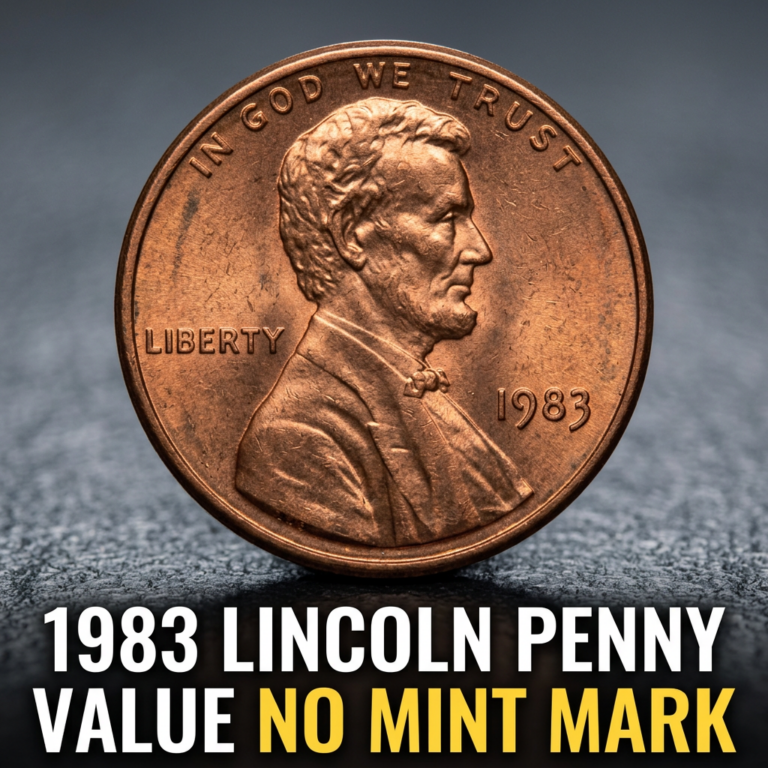
1900 Indian Head Penny Value Guide: Is Your Coin Worth Money?

Your Old Coin Could Be Valuable!
Identify It & Know Its Real Value — Free Download


The 1900 Indian Head Penny is worth anywhere from $2 in worn condition to over $1,500 in pristine mint state. While millions were minted, finding one in your pocket change today is a rare thrill that many Americans hope will lead to a significant payday.
| Condition / Grade | Estimated Value (USD) |
|---|---|
| Good (G-4) | $1.50 – $2.50 |
| Fine (F-12) | $4.50 – $6.00 |
| Extremely Fine (XF-40) | $15 – $22 |
| Uncirculated (MS-63) | $55 – $75 |
| Choice Mint State (MS-65 Red) | $450+ |
An Introduction to the 1900 Indian Head Penny History
The year 1900 marked a significant turning point in American history, ushering in a new century of industrial growth and cultural shifts. For the U.S. Mint, it was a busy year, producing over 66 million Indian Head pennies at the Philadelphia facility.
If you have discovered one of these copper treasures, you might be wondering about its origins. Despite the name, the figure on the coin isn’t actually a Native American. It is a portrait of Lady Liberty wearing a feathered headdress, designed by James B. Longacre.
To determine if your find is a common treasure or a rare investment, using a top coin identifier and value app can help you distinguish the fine details that professional collectors look for. Many casual hunters use CoinKnow to quickly scan their coins and get instant feedback on historical context and rarity levels before visiting a dealer.
Your Old Coin Could Be Valuable!
Identify It & Know Its Real Value — Free Download
Determining the Grade and 1900 Cent Value
When assessing the 1900 Indian Head Penny value, the condition—or “grade”—is the most critical factor. Most coins found in old jars or estates have seen a lot of circulation. This means the details on Liberty’s hair and the feathers in her bonnet have been worn down over time.
A coin in “Good” condition will show a clear silhouette, but many of the finer details, like the word “LIBERTY” on the headband, will be faded or completely gone. Conversely, a coin in “Uncirculated” condition looks like it just rolled off the mint press, retaining its original copper luster.
Your Old Coin Could Be Valuable!
Identify It & Know Its Real Value — Free Download
For those looking for specific market data, checking the current 1900 Indian Head penny value is the best way to stay updated on what buyers are currently paying. Premium coins that have survived 120+ years without being scratched or cleaned fetch the highest prices at auction houses and specialized coin shows.
| Grade Designation | Visual Description |
|---|---|
| Good (G) | Heavily worn; outlines are clear but inscriptions are faint. |
| Fine (F) | Moderate wear; “LIBERTY” is visible but weak. |
| Very Fine (VF) | The tips of the feathers show some wear, but the design is bold. |
| Mint State (MS) | No wear; original shine and sharp design details. |
The Importance of Color in 1900 Penny Pricing
Copper coins are unique because their value is also tied to their color. Professional grading services like PCGS and NGC categorize these pennies as Red (RD), Red-Brown (RB), or Brown (BN). A 1900 penny that has retained its original bright orange-red glow is incredibly rare and highly sought after by collectors.
Brown pennies are the most common, as copper naturally oxidizes over time when exposed to air and oils from human hands. Red-Brown coins are a middle ground, often showing a mix of the original mint luster and the natural chocolatey patina of age.
Your Old Coin Could Be Valuable!
Identify It & Know Its Real Value — Free Download
If you are lucky enough to possess a coin that appears exceptionally shiny, you should look at the 1900 Indian Head penny MS65 Red price trends to see how much of a premium you can expect. Using CoinKnow can also help you compare your coin’s color against high-resolution images of graded specimens.
Rare Varieties and Errors for the 1900 Indian Head Cent
While the 1900 penny is mostly straightforward, error hunters occasionally find gems. Errors occur during the minting process and can turn a $2 coin into one worth hundreds. Look for “Double Dies,” which appear as doubling in the letters or the date.
Another interesting variation for this year involves the “Overdate” or re-punched dates, though these are much rarer in the 1900 series than in previous years like 1888 or 1864. Off-center strikes, where the design isn’t perfectly centered on the copper planchet, are also valuable.
Your Old Coin Could Be Valuable!
Identify It & Know Its Real Value — Free Download
Because these errors are microscopic, most people miss them. Taking a high-quality photo and running it through CoinKnow can help detect anomalies that the naked eye might overlook. Collectors are always on the hunt for these unique “mistakes” because they represent a fluke in the otherwise mechanical precision of the U.S. Mint.
| Error Type | Potential Value Addition |
|---|---|
| Off-Center Strike | +$50 to +$200 based on percentage |
| Double Die Obverse | +$100 to +$500 if significant |
| Die Cracks | +$5 to +$20 |
How to Safely Store and Protect Your Old Pennies
If you discover that your 1900 Indian Head Penny is worth more than its face value, you must protect it. Copper is a sensitive metal that reacts poorly to moisture and sulfur. Never clean your coins with household chemicals or even soap and water, as this can strip the “patina” and destroy the coin’s numismatic value.
Instead, hold the coin by the edges to avoid getting fingerprints on the surface. Store your penny in a PVC-free plastic flip or a specialized cardboard “2×2” holder. This prevents scratches and keeps the environment stable, ensuring the value doesn’t drop due to new damage.
Many hobbyists start by cataloging their finds in an app like CoinKnow. This allows you to track the value of your collection digitally while keeping the physical coins stored safely in a cool, dry place. Proper preservation is the difference between a coin that depreciates and one that grows in value over the next decade.
Your Old Coin Could Be Valuable!
Identify It & Know Its Real Value — Free Download
Conclusion: Is the 1900 Indian Head Penny a Good Investment?
While the 1900 Indian Head penny is not the rarest in the series, it is a staple of American numismatics. For a casual collector, it serves as a wonderful entry point into the world of coin hunting. For the serious investor, high-grade “Red” versions of this coin show steady appreciation over time.
Because so many were made, the market is very liquid—meaning it is easy to find a buyer if you decide to sell. Whether you found one in an old cigar box or inherited a small collection, the 1900 penny is a tangible piece of the “Gilded Age” that continues to fascinate people across the country.
Always remember that the most accurate way to value your coin is through a combination of professional grading and modern digital tools. By staying informed about market trends, you can ensure you never accidentally spend a coin worth fifty dollars at the local grocery store.
FAQ
Q: Where is the mint mark on a 1900 Indian Head Penny?
A: There is no mint mark on the 1900 Indian Head penny. During this era, all Indian Head pennies were struck at the Philadelphia Mint, which did not use mint marks at the time. If you see a coin that looks similar but has an “S” on the back, it is likely a later Lincoln penny or a different series entirely.
Your Old Coin Could Be Valuable!
Identify It & Know Its Real Value — Free Download
Q: Is a 1900 penny made of pure copper?
A: Almost! The 1900 Indian Head Penny is composed of 95% copper and 5% tin and zinc. This composition gives it a distinct weight and feel compared to modern pennies, which are primarily made of zinc with a thin copper coating.
Q: Should I get my 1900 Indian Head Penny professionally graded?
A: Professional grading by companies like PCGS or NGC is usually only worth the cost if the coin is in “Mint State” (uncirculated) condition or is a rare error. For most circulated 1900 pennies worth under $20, the grading fees (which can exceed $30-$50) would cost more than the coin is worth.
Q: Why is my 1900 penny green?
A: A green coating on a copper coin is usually “verdigris,” a form of corrosion. While some people think it looks like a natural patina, it is actually damaging to the metal. Coins with heavy green corrosion are generally worth much less to collectors.