1890 Indian Head Penny Value Guide: Grades and Prices

Your Old Coin Could Be Valuable!
Identify It & Know Its Real Value — Free Download


The 1890 Indian Head Penny is worth anywhere from $2 in worn condition to over $500 in pristine mint state. While millions were circulated, finding one in your attic or a jar of old change is an exciting moment that connects you directly to the late 19th century.
| Condition / Grade | Estimated Value |
|---|---|
| Good (G-4) | $2.00 – $3.50 |
| Fine (F-12) | $5.00 – $8.00 |
| Extremely Fine (EF-40) | $15.00 – $25.00 |
| Uncirculated (MS-60+) | $45.00 – $500+ |
Determining the 1890 Indian Head Penny Value Today
Finding an old penny can feel like discovering hidden treasure. To accurately determine your coin’s worth, you first need to understand that the 1890 Indian Head Penny series is highly popular among collectors. If you aren’t sure where to start, using a top coin identifier and value app can help you quickly distinguish between a common pocket-change find and a rare numismatic specimen.
In 1890, the United States Mint produced over 57 million of these copper-nickel coins. Because so many were made, common circulated versions are quite affordable. However, coins that have been tucked away in collections for over a century and retain their original red luster are much rarer.
If you have a handful of these coins, the CoinKnow app is an excellent tool to help you catalog your finds and check live market prices. Most everyday Americans find “Good” or “Very Good” specimens, which usually fetch a few dollars, but better-preserved examples can reach hundreds of dollars at auction.
Grading and Condition of the 1890 Indian Head Cent
Condition is the single most important factor when pricing an 1890 Indian Head Penny. Collectors use a numerical scale from 1 to 70 to grade coins. For a casual holder, the focus should be on the visible details of Lady Liberty’s headdress and the word “LIBERTY.”
Your Old Coin Could Be Valuable!
Identify It & Know Its Real Value — Free Download
In “Good” condition, the coin will be heavily worn, with the letters in “LIBERTY” showing significant fading or disappearing entirely. In “Fine” condition, most of the letters should be visible, though the hair and feathers will still show wear. For high-end collectors, the 1890 Indian Head Penny price for Red Mint State grades remains the ultimate goal, as these coins look as they did the day they left the mint.
Using CoinKnow, you can take a high-resolution photo of your coin to see which details remain sharp. This helps you avoid the common mistake of cleaning your coin, which actually lowers its value. Collectors prefer natural patina and original surfaces over a shiny, scrubbed look.
Your Old Coin Could Be Valuable!
Identify It & Know Its Real Value — Free Download
| Grade Designation | Key Visual Characteristics |
|---|---|
| About Uncirculated (AU) | Traces of wear only on the highest points; some original mint luster remains. |
| Very Fine (VF) | “LIBERTY” is sharp and fully legible; feathers show moderate wear. |
| Good (G) | Design is outlined but flat; “LIBERTY” is barely visible or missing. |
Key Varieties and Errors for 1890 Pennies
While most 1890 pennies are “standard” issues, there are specific varieties that collectors look for which can significantly boost the price. While no major “doubled die” errors are legendary for this specific year, minor variations in the date placement or die cracks can add a premium for specialist collectors.
One thing to look for is the strike quality. Because 1890 was a high-production year, some dies were used longer than they should have been, leading to “mushy” details. A coin with a sharp, crisp strike will always be worth more than a blurry one, even if they share the same amount of wear.
If you find multiple Indian Head pennies from different years, it’s helpful to compare them. For instance, looking at the 1898 Indian Head Penny worth and market data can give you a perspective on how the value changes based on the year of mintage and rarity. CoinKnow allows you to track these trends across the entire Indian Head series from 1859 to 1909.
Your Old Coin Could Be Valuable!
Identify It & Know Its Real Value — Free Download
The Importance of Color: Red, Red-Brown, and Brown
Copper coins like the 1890 Indian Head Penny are unique because their value is also tied to their color. When copper is freshly minted, it has a bright orange-red glow. Over time, as it reacts with oxygen, it turns brown. Coin graders use three designations: RD (Red), RB (Red-Brown), and BN (Brown).
An 1890 penny in “Red” condition is exceptionally rare because copper naturally darkens over 130 years. These “Red” pennies are usually found in professionally preserved collections and can sell for $500 to over $1,000 in top tiers. Most coins found in jars today will be “Brown” (BN).
While “Brown” coins are more common, they are still highly collectible. A chocolate-brown 1890 penny with smooth surfaces and no scratches is a beautiful piece of history. You can use the CoinKnow app to compare your coin’s color to professionally graded examples to see where yours fits on the spectrum.
Your Old Coin Could Be Valuable!
Identify It & Know Its Real Value — Free Download
| Color Class | Typical Description | Price Premium |
|---|---|---|
| Red (RD) | 95%+ original mint orange color. | Highest |
| Red-Brown (RB) | 5% to 95% original red color mixed with brown. | Moderate |
| Brown (BN) | Less than 5% original red luster left. | Standard |
Where to Sell Your 1890 Indian Head Penny
If you have determined that your 1890 penny is in high grade or has a unique look, you might be wondering where to sell it. For lower-value circulated coins, local coin shops or online marketplaces like eBay are the most common outlets. However, be prepared to receive “wholesale” prices from dealers, as they need to make a profit on the resale.
For high-value “Uncirculated” coins, you might consider having the coin “slabbed” or certified by a grading service like PCGS or NGC. This provides a guarantee of authenticity and grade, which makes it much easier to sell for a premium price at auction houses.
Before you sell, it is always wise to check current market trends. Use CoinKnow to browse recent auction results for 1890 pennies. This ensures that you have a realistic expectation of the price and don’t let a valuable coin go for just a few cents.
The History of the Indian Head Design
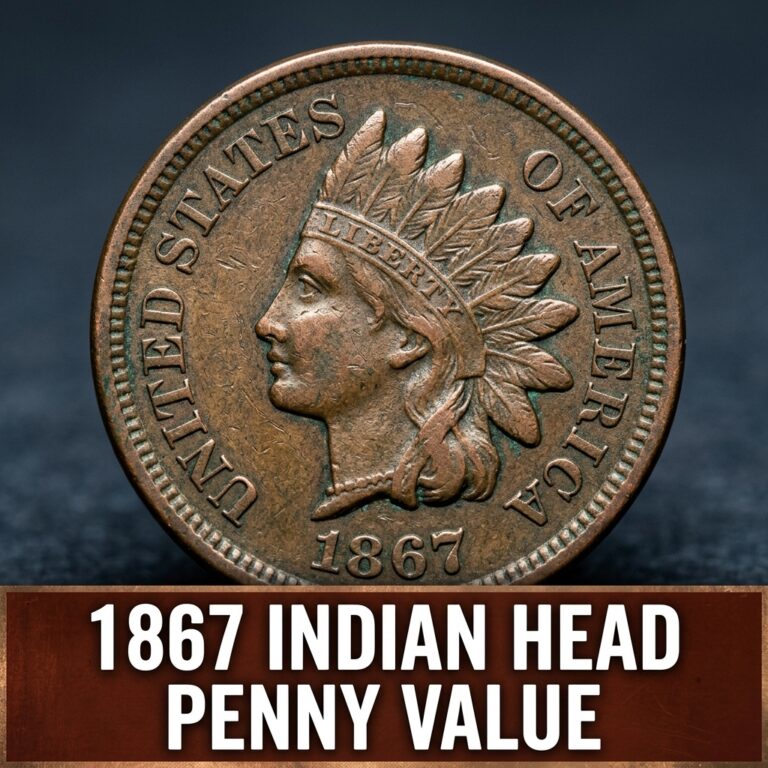
The Indian Head Penny was designed by James B. Longacre and actually depicts Lady Liberty wearing a Native American headdress, not a Native American person. This design was minted from 1859 until 1909, when it was replaced by the Lincoln Penny we know today.
Your Old Coin Could Be Valuable!
Identify It & Know Its Real Value — Free Download
The 1890 issue came during the “Gilded Age,” a time of massive industrial growth in the United States. These pennies were the workhorses of the American economy. Holding one is like holding a piece of the era of railroads, oil barons, and the closing of the American frontier.
Because they were made of 95% copper (with a small amount of tin and zinc), they have a substantial feel compared to modern zinc pennies. This historical connection is why many people keep them even if the monetary value is only a few dollars.
Summary of 1890 Indian Head Penny Market Values
To wrap up, the 1890 Indian Head Penny is a classic American coin. While most examples you find will be worth between $2 and $20, keep an eye out for those rare “Mint State” coins that still shine with original copper luster. Those are the ones that can truly be worth a significant amount of money.
Remember to handle your coins by the edges and never clean them with chemicals or cloths. The natural aging—even if it’s dark—is what collectors want to see. With a little bit of research and the right tools like the CoinKnow app, you can turn a simple hobby into a fascinating journey through American history.
| Condition | Retail Value Range |
|---|---|
| Well Worn (G-4) | $1.75 – $3.00 |
| Average (F-12) | $4.50 – $7.50 |
| Above Average (EF-40) | $18.00 – $30.00 |
| Choice Uncirculated (MS-63) | $75.00 – $110.00 |
| Superb Gem (MS-65+) | $350.00 – $800.00+ |
FAQ
Q: Does the 1890 Indian Head Penny have a mint mark?
A: No. In 1890, all Indian Head pennies were struck at the Philadelphia Mint. At that time, the Philadelphia Mint did not use a mint mark (like a ‘P’). The only Indian Head pennies with mint marks are from 1908 and 1909, which feature an ‘S’ for the San Francisco Mint.
Your Old Coin Could Be Valuable!
Identify It & Know Its Real Value — Free Download
Q: Why is my 1890 penny worth so little even though it’s old?
A: Value is determined by supply and demand. Because the mint produced over 57 million of these in 1890, and many were saved by the public at the time, there are still hundreds of thousands in existence today. Only coins in exceptional condition or with rare errors command high prices.
Q: Should I clean my 1890 Indian Head Penny to make it look new?
A: No! Never clean a collectible coin. Cleaning removes the original surface and creates microscopic scratches that collectors hate. A cleaned coin can lose over 50% of its value instantly. It is much better to leave the “dirt” or patina on the coin.
Q: How can I tell if my coin is “Red”?
A: A “Red” (RD) coin must have at least 95% of its original copper color. If your coin is the color of a chocolate bar, it is “Brown” (BN). If it has a mix of orange and brown, it is “Red-Brown” (RB). Most coins found long after 1890 will be Brown.