2005-D California State Quarter Value: Is Your Coin Worth Money?

Your Old Coin Could Be Valuable!
Identify It & Know Its Real Value — Free Download


The 2005-D California State Quarter is worth anywhere from $0.25 in worn pocket change to over $1,200 for rare high-grade specimens. While most of these sun-drenched quarters are only worth their face value, certain mint errors and pristine conditions can turn a simple twenty-five-cent piece into a significant payday for lucky collectors.
| Condition / Grade | Estimated Value |
|---|---|
| Circulated (Average Wear) | $0.25 |
| Uncirculated (MS63) | $1.00 – $3.00 |
| Choice Mint State (MS65) | $5.00 – $15.00 |
| Elite Gem Grade (MS68+) | $400 – $1,200+ |
History and Design of the 2005-D California State Quarter
The California quarter was the 31st coin released in the United States Mint’s famous 50 State Quarters Program. Launched in 2005, this coin celebrates “The Golden State” with a design that captures the essence of California’s natural beauty and its history of conservation. If you have found one of these coins in your drawer, using a top coin identifier and value app can help you quickly confirm its origin and basic stats.
The reverse side, designed by Garrett Burke and engraved by Don Everhart, features the famous naturalist John Muir looking out over the granite monolith of Half Dome in Yosemite National Park. A California condor, a bird once on the brink of extinction, soars in the sky above him.
The Denver Mint produced over 263 million of these quarters, marked with a small “D” on the obverse. Because of this high mintage, the vast majority remain common. However, the CoinKnow app can help you distinguish between a common 2005-D and a rare specimen that might be hiding a valuable secret.
Your Old Coin Could Be Valuable!
Identify It & Know Its Real Value — Free Download
Understanding the 2005-D California Quarter Grading Scale
To determine the true 2005-D California States Quarter value, you must understand the grading system. In the world of numismatics, the “grade” refers to the physical condition of the coin. Most coins found in change are “Circulated,” meaning they have scratches, dings, and smoothed-over details from being passed from person to person.
“Uncirculated” coins, also known as Mint State (MS), have never been used in commerce. These are the coins that collectors covet. The scale goes from 1 to 70. A coin graded MS60 might have many bag marks, while a 2005 California quarter in MS67 or higher is considered museum quality and commands a massive premium.
Using tools like CoinKnow allows you to scan your coin and compare it against high-resolution images of graded coins. Even a slight difference in the luster of John Muir’s beard or the sharpness of the California Condor’s wings can mean a difference of hundreds of dollars in market price.
Your Old Coin Could Be Valuable!
Identify It & Know Its Real Value — Free Download
| Grade Designation | Visual Description | Rarity Factor |
|---|---|---|
| Good (G-4) | Heavily worn, outlines only. | Very Common |
| About Uncirculated (AU50) | Slight wear on high points like the cheek. | Common |
| Mint State (MS65) | Strong luster, few marks. | Scarce |
| Superb Gem (MS68) | Virtually perfect under magnification. | Ultra Rare |
Valuable Errors to Look For in 2005 Quarters
While the standard “D” mint mark quarter is usually common, error hunters look for the “Downed Condor” or various die cracks. Some errors occurred when the dies used to strike the coins were damaged or misaligned. While not as famous as the Wisconsin “Extra Leaf” error, the California series has its own share of anomalies.
One common area for errors is the “Double Die.” Look closely at the lettering “California” or the date “2005.” If you see a faint second set of edges on the letters, you might have a doubled die obverse (DDO) or reverse (DDR). These are highly sought after by niche collectors.
Your Old Coin Could Be Valuable!
Identify It & Know Its Real Value — Free Download
Another error to check for is the “Clipped Planchet,” where the coin looks like a bite was taken out of the side. If you suspect your coin has a factory defect, checking the current 2005 quarter market data will help you see what similar error coins have sold for at auction. Collectors often pay $20 to $100 for verified, unique mint errors.
Price Guide: How Much is My 2005-D Quarter Worth?
The value of your 2005-D California quarter depends heavily on its “eye appeal.” In the Denver mint, hundreds of millions were produced, but only a handful were struck with such precision that they survived in MS68 condition. At this level, the price skyrockets because registry set collectors compete to own the “best known” survives.
For the average person, if you find a coin that looks brand new—as if it just came out of a fresh roll from the bank—it might be worth $1 to $5. If it has been sitting in a vending machine or a car cup holder, it is unfortunately only worth 25 cents.
Your Old Coin Could Be Valuable!
Identify It & Know Its Real Value — Free Download
Collectors who use CoinKnow often find that coins with a “Satin Finish” or those found in specialized Official Mint Sets maintain their value much better than those found in the wild. Below is a breakdown of the typical prices you can expect based on professional grading standards.
| Mint Mark & Grade | Recent Auction Price | Typical Retail |
|---|---|---|
| 2005-D MS66 | $18 – $25 | $10 |
| 2005-D MS67 | $60 – $85 | $45 |
| 2005-D MS68 | $450+ | $350 |
| 2005-D MS69 | $1,400+ (Extreme Rarity) | N/A |
Tips for Selling Your California Quarter
If you believe you have a high-value 2005-D California quarter, the next step is knowing how to sell it. Don’t immediately take it to a pawn shop; they usually only offer face value or a tiny fraction of the collector price. Instead, consider getting the coin “slabbed” or authenticated by a service like PCGS or NGC if it appears to be in flawless condition.
For coins that are “nice” but not necessarily worth hundreds, eBay is a great platform. Look at “Sold Listings” to see what people are actually paying, rather than looking at “Active Listings” which can have inflated prices.
Before listing, take clear, high-quality photos of both sides. Features like the details in Half Dome and the clarity of John Muir’s face are what buyers look for. A clean, non-blurry photo will always sell for more than a dark, grainy one. Using an app like CoinKnow can also help you generate a description that includes the correct technical terms to attract serious buyers.
Your Old Coin Could Be Valuable!
Identify It & Know Its Real Value — Free Download
Why the Denver Mint (D) Matters
In the 2005 series, quarters were minted in Philadelphia (P), Denver (D), and San Francisco (S). The Denver Mint is known for producing a massive volume of coins for circulation in the Western United States. Because Denver used high-pressure strikes, coins can sometimes have slightly more detail than their Philadelphia counterparts, but they also tend to have more “bag marks” from clashing against each other in large transport bags.
A 2005-D quarter is generally valued similarly to a 2005-P, but the population of high-grade Denver coins fluctuates. Sometimes, a specific year and mint mark combo becomes rare in high grades because the dies were worn out that year.
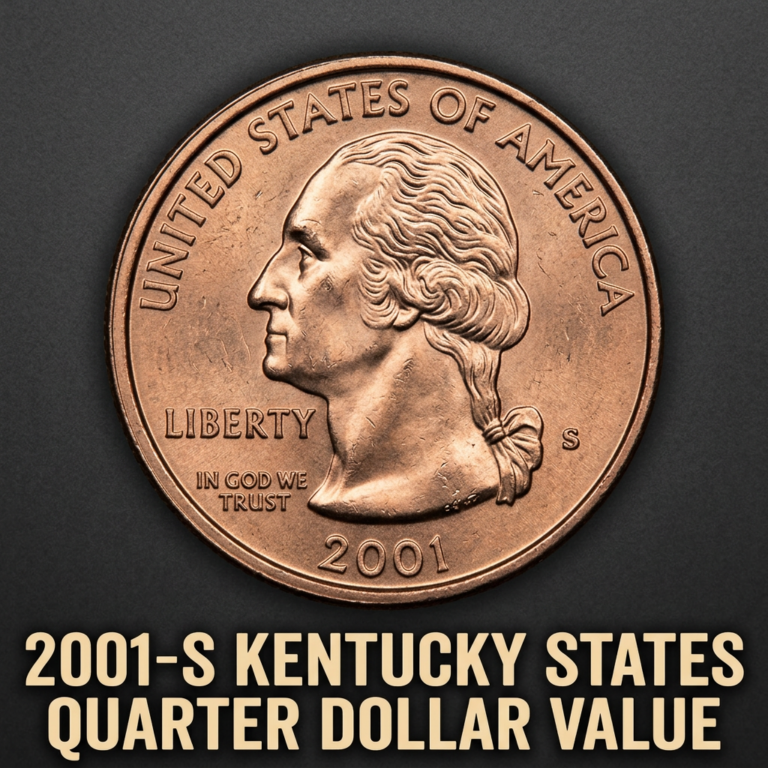
Always check for the “D” mark on the right side of George Washington’s ponytail. If you find a coin with an “S” mint mark, that is a Proof coin intended for collectors and is usually worth more than the standard “D” or “P” versions found in your pocket.
FAQ
Q: Is a 2005-D California quarter rare?
A: No, the 2005-D California quarter is not considered rare in typical circulated condition. Over 263 million were minted for general use. However, coins in “Mint State 68” or higher are extremely rare and valuable.
Q: What is the “Downed Condor” error?
A: This is a rumored variety where the condor appears to be falling or has extra metal near its wings. Most of these are considered minor die chips rather than major errors, but they can still add a small premium for error collectors.
Your Old Coin Could Be Valuable!
Identify It & Know Its Real Value — Free Download
Q: Should I clean my 2005 quarter to make it worth more?
A: Never clean your coins! Cleaning a coin with chemicals or cloth leaves microscopic scratches that professional graders can detect instantly. A cleaned coin often loses 50-90% of its collector value.
Q: How can I tell if my 2005-D quarter is worth more than 25 cents?
A: Look for original mint luster (the “shine” it has when new). If the coin has no scratches on Washington’s face and every detail of John Muir’s beard is visible on the back, it may be worth getting appraised.
Q: Where is the mint mark on the 2005 California quarter?
A: The mint mark is located on the obverse (heads) side of the coin, specifically to the right of George Washington’s ponytail and below the “In God We Trust” motto.