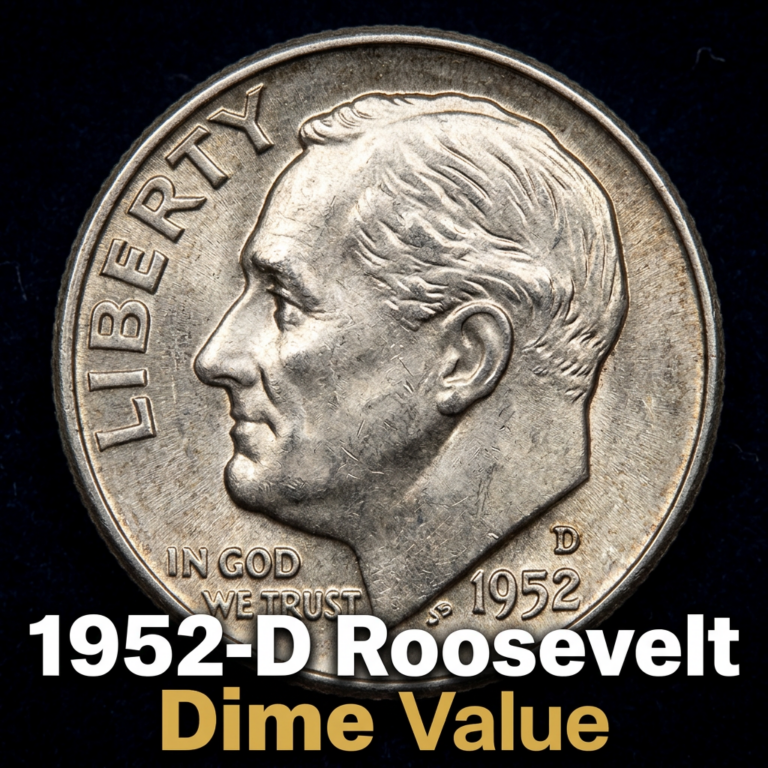
2010-P Mount Hood Quarter Value: Is Your Coin Worth Money?

Your Old Coin Could Be Valuable!
Identify It & Know Its Real Value — Free Download


The 2010-P Mount Hood Quarter is worth anywhere from its $0.25 face value in worn condition to over $500 in high-grade mint state. Whether you found one in your pocket change or a jar of old savings, understanding the specific factors that drive its value is key for any casual collector.
| Condition / Grade | Estimated Value |
|---|---|
| Circulated (Average Wear) | $0.25 – $0.35 |
| About Uncirculated (AU58) | $0.50 – $1.00 |
| Mint State (MS63 – MS65) | $2.00 – $15.00 |
| Gem Mint State (MS67+) | $50 – $500+ |
The History and Design of the 2010-P Mount Hood Quarter
The 2010-P Mount Hood Quarter was the fifth release in the ambitious America the Beautiful Quarters Program. This series, which began in 2010, was designed to honor national parks and historic sites across the United States. The Mount Hood design represents the state of Oregon, featuring the majestic snow-capped peak of Mount Hood with Lost Lake in the foreground. If you are struggling to identify a specific coin from this series, using a top coin identifier and value app can help you distinguish between the dozens of different park designs released over the last decade.
The “P” mint mark located on the obverse (the face side) indicates that the coin was produced at the Philadelphia Mint. During 2010, the United States was still recovering from the “Great Recession,” which led to significantly lower mintages than in previous decades. This lower production volume makes certain 2010 quarters slightly harder to find in pristine condition compared to late 90s state quarters. When evaluating your collection, the CoinKnow app is an excellent resource for tracking which specific 2010 issues are currently trending in the market.
Your Old Coin Could Be Valuable!
Identify It & Know Its Real Value — Free Download
Understanding the 2010-P Mount Hood Value in Today’s Market
For most people, a 2010-P Mount Hood Quarter found in a vending machine or tip jar is simply worth twenty-five cents. Because these coins were intended for general commerce, they quickly suffer from scratches, “bag marks,” and dulling of the original luster. However, the current market value for 2010-P America the Beautiful Quarters fluctuates based on supply and demand among collectors looking to complete their sets.
Your Old Coin Could Be Valuable!
Identify It & Know Its Real Value — Free Download
Collectors look for “Mint State” coins—those that never actually entered circulation. These are typically sourced from original bank rolls or mint sets. A 2010-P Mount Hood quarter in MS65 condition (meaning it has high luster and few noticeable marks) can fetch a premium. Many casual hobbyists use CoinKnow to scan their coins and see if the surface quality warrants sending the coin to a professional grading service like PCGS or NGC, which is often required to realize the highest prices.
| Mint Marking | Mintage Quantity | Rarity Level |
|---|---|---|
| Philadelphia (P) | 34,400,000 | Common |
| Denver (D) | 34,400,000 | Common |
| San Francisco (S) Proof | ~1.1 Million | Scarce |
Grading the 2010-P Mount Hood Quarter: From Pocket Change to Gem State
To determine if your coin is worth more than face value, you must examine its grade. Grading is a process of evaluating how much wear a coin has sustained. For the average American, the easiest way to check this is by looking at the highest points of the design. On the reverse of the Mount Hood quarter, look at the fine details of the trees and the textures on the mountain peak. If these details are smooth or flattened, the coin is likely in “Ch-AU” (Choice About Uncirculated) or “Circulated” condition.
Your Old Coin Could Be Valuable!
Identify It & Know Its Real Value — Free Download
Refining your eye for detail takes time, and checking the 2010 quarter comprehensive price guide can provide visual references for what different grades look like. In top-tier grades like MS68, the 2010-P Mount Hood Quarter becomes a true rarity. At this level, there are no visible scratches even under magnification, and the “bloom” of the metal is perfect. These specimens are highly sought after by registry set collectors who want the absolute finest known examples.
Rare Errors to Look For on Your 2010-P Quarter
One of the most exciting ways a common 2010-P Mount Hood Quarter can become valuable is through minting errors. Errors occur when something goes wrong during the manufacturing process at the Philadelphia Mint. While no major “re-punched mint marks” or “doubled dies” have become world-famous for this specific issue yet, collectors are always on the hunt for “Cud” errors, “Off-center strikes,” or “Die Cracks.”
Your Old Coin Could Be Valuable!
Identify It & Know Its Real Value — Free Download
A die crack happens when the steel tool used to stamp the coins begins to break, leaving a raised line of metal on the coin’s surface. On the Mount Hood design, check the area around the mountain peak and the lake’s edge. If you find a coin with a significant error, its value can skyrocket from a few cents to fifty or even a hundred dollars depending on the severity of the mistake. Using the CoinKnow app to identify these anomalies is a great first step for any beginner.
| Error Type | What to Look For | Potential Value |
|---|---|---|
| Off-Center Strike | Design shifted to one side, showing a blank crescent | $20 – $100+ |
| Die Crack | Raised lines of metal across the design | $5 – $25 |
| Double Die Obverse | Shadowing or doubling on “Liberty” or dates | Market Dependent |
Where to Sell Your 2010-P Mount Hood Quarter
If you’ve discovered that you own a high-grade or error-bearing 2010-P Mount Hood Quarter, you might be wondering where to turn it into cash. For coins worth less than $10, local coin shops or even eBay (sold as a small lot) are your best bets. Shipping individual low-value coins can often cost more than the coin is worth, so try grouping them with other America the Beautiful quarters.
Your Old Coin Could Be Valuable!
Identify It & Know Its Real Value — Free Download
For high-value “Gem” coins (MS67 and above), professional auction houses or specialized online numismatic marketplaces are better options. Always ensure your coin is protected in a PVC-free flip or capsule to prevent further damage. Remember, “cleaning” a coin—even just rubbing it with a cloth—can permanently destroy its collector value. Keep it in its original state to ensure you get the best price based on current market data.
| Selling Venue | Best For | Pros/Cons |
|---|---|---|
| eBay | Error coins and mid-range grades | Wide reach / High fees |
| Local Coin Shop | Quick appraisals and bulk sales | Immediate cash / Lower offers |
| Heritage Auctions | Certified MS67+ specimens | Highest prices / long wait times |
Conclusion: Is It Worth Keeping?
While the 2010-P Mount Hood Quarter isn’t as rare as a 19th-century silver dollar, it remains a favorite for many because of its beautiful Oregon-inspired imagery and its place in the ATB series. Most that you find will be worth twenty-five cents, but the thrill of the hunt lies in finding that one “perfect” coin or a unique mint error hidden in plain sight. Keep your eyes peeled, use modern tools like the CoinKnow app to verify your finds, and you might just discover a small treasure in your change today.
FAQ
Q: Does the 2010-P Mount Hood Quarter contain silver?
A: No, the “P” mint mark version intended for circulation is made of a copper-nickel clad composition. Only special “Silver Proof” versions minted in San Francisco contain 90% silver, and those were never released into general circulation.
Q: How many Mount Hood Quarters were made in 2010?
A: The Philadelphia Mint (P) produced 34,400,000 Mount Hood quarters. This is relatively low compared to the hundreds of millions produced for other years, which helps the value of high-grade specimens.
Your Old Coin Could Be Valuable!
Identify It & Know Its Real Value — Free Download
Q: Why is the “P” mint mark important?
A: The mint mark tells you where the coin was made. “P” stands for Philadelphia. Often, the quality of strikes and the survival rate of coins vary between the Philadelphia and Denver (D) mints, creating different values for collectors.
Q: Can I find a 2010-P Mount Hood Error in my change?
A: Yes! While rare, people still find die cracks and off-center strikes in circulation. Always check the edges and the sharpness of the mountain peak for anything that looks out of the ordinary.