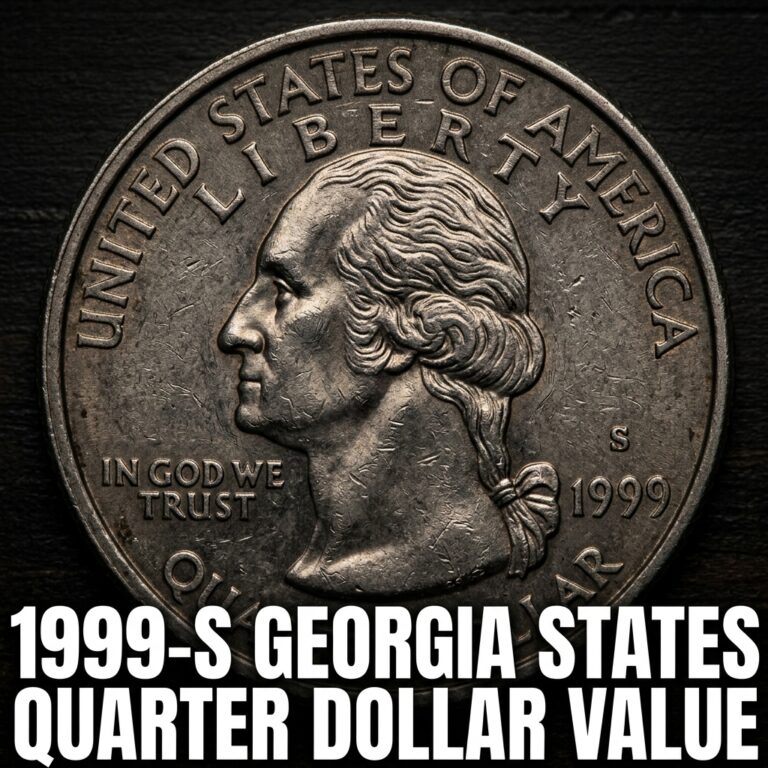
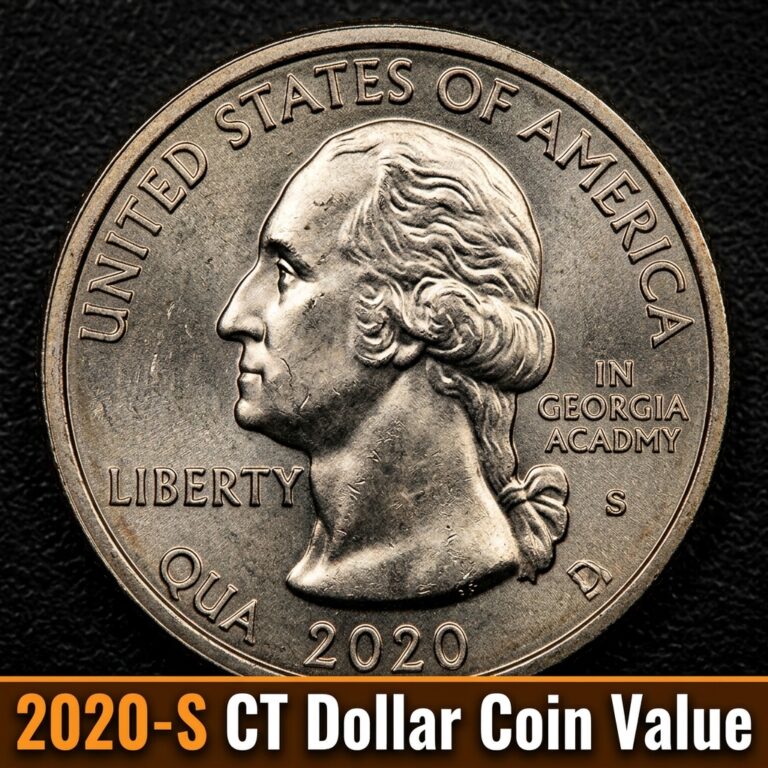
2000-D Massachusetts State Quarter Value: Is Your Coin Rare?

Your Old Coin Could Be Valuable!
Identify It & Know Its Real Value — Free Download


The 2000-D Massachusetts State Quarter is worth anywhere from its face value of $0.25 in circulated condition to over $500 in high-grade mint state. While most coins found in pocket change are common, specific errors and exceptional conditions can turn this everyday quarter into a valuable collector’s item.
| Condition | Estimated Value |
|---|---|
| Circulated (Average Wear) | $0.25 – $0.35 |
| Uncirculated (MS63 – MS65) | $1.00 – $5.00 |
| Choice Uncirculated (MS67) | $20.00 – $50.00 |
| Rare High Grade (MS68+) | $400.00+ |
History of the 2000-D Massachusetts State Quarter
The 2000-D Massachusetts State Quarter was the second coin released in the year 2000 and the sixth overall in the United States Mint’s ambitious 50 State Quarters Program. This commemorative series, which ran from 1999 to 2008, aimed to celebrate each state’s unique history and geography.
If you are trying to identify this coin at home, using a top coin identifier and value app can help you distinguish between the different mint marks and surface qualities. The “D” mint mark on this quarter signifies that it was produced at the Denver Mint.
During the year 2000, the Denver Mint struck exactly 640,000,000 of these quarters. Because of this massive mintage, the coin is incredibly common in general circulation. The design on the reverse side features a “Minuteman” statue, an iconic symbol of the American Revolutionary War, set against an outline of the state of Massachusetts.
In your search for treasure, you might find that using CoinKnow makes the process much faster. This app allows you to scan the coin to check for rare varieties that the average person might overlook. Most of these coins held onto by families were saved during the height of the state quarter craze, but only those in pristine condition hold significant premiums today.
Your Old Coin Could Be Valuable!
Identify It & Know Its Real Value — Free Download
Determining the 2000-D Quarter Value by Grade
When assessing the value of your 2000-D Massachusetts quarter, the most important factor is its physical condition, also known as its “grade.” High-grade coins are those that have never been used in commerce and still retain their original “mint luster,” which is the frosty sheen created during the striking process.
For those looking for specific market data, checking the current price trends for Massachusetts quarters can give you a baseline of what dealers are paying. Most coins found in your piggy bank will be “Circulated,” meaning they have scratches, dings, or dull surfaces. These are generally worth exactly 25 cents.
Your Old Coin Could Be Valuable!
Identify It & Know Its Real Value — Free Download
However, if you find a coin that looks like it just came out of a fresh roll, it may be an “Uncirculated” specimen. Collectors use a 70-point scale to grade coins. An MS65 (Mint State 65) is considered a “Gem” coin. If you happen to find an MS68 or MS69, you could be looking at a windfall of several hundred dollars.
| Grade | Description | Price Range |
|---|---|---|
| MS63 | Typical luster, small bags marks | $0.50 – $1.50 |
| MS65 | Strong luster, very few marks | $3.00 – $8.00 |
| MS67 | Visible brilliance, no major flaws | $25.00 – $60.00 |
| MS68 | Nearly perfect under magnification | $450.00+ |
Identifying Rare Errors on the 2000 Massachusetts Quarter
One of the most exciting ways to find value in modern change is by spotting “mint errors.” These are mistakes made by the machines at the Denver Mint during production. While the 2000-D Massachusetts quarter doesn’t have a famous “major” error like the Wisconsin Extra Leaf, there are still several types of errors to watch for.
The most common errors found on these quarters include “Die Cracks,” where the metal stamp breaks and leaves a raised line of metal on the coin. Another is the “Clipped Planchet,” where the round metal disc was cut incorrectly, resulting in a crescent-shaped piece missing from the edge.
Your Old Coin Could Be Valuable!
Identify It & Know Its Real Value — Free Download
Using CoinKnow can help you identify if a strange mark on your coin is a valuable error or just “post-mint damage” (PMD) caused by the coin getting stuck in a vending machine. Misaligned dies, where the image is slightly off-center, also attract collector interest.
Check for “Doubled Die” errors on the reverse, specifically around the Minuteman’s hand or the state outline. While rare for this specific date and mint, any doubling of letters or images can significantly increase the estimated worth of a 2000 quarter.
Comparing the Denver (D) vs. Philadelphia (P) Mints
While this article focuses on the Denver Mint (2000-D), it is worth noting the differences between the two main mints. The Philadelphia Mint produced 642,576,000 Massachusetts quarters, nearly identical to the Denver production. This means that neither “P” nor “D” quarters are rarer than the other in terms of total numbers.
Your Old Coin Could Be Valuable!
Identify It & Know Its Real Value — Free Download
Generally, Denver quarters are known for having slightly better “strikes” than Philadelphia coins of this era, though this is a generalization. Collectors often try to complete sets containing both mint marks. If you have both, they are usually valued similarly unless one is in significantly better condition.
| Mint Color/Mark | Production Volume | Rarity Score |
|---|---|---|
| 2000-P (Philadelphia) | 642,576,000 | Common |
| 2000-D (Denver) | 640,000,000 | Common |
| 2000-S (San Francisco Proof) | 4,027,393 | Uncommon |
How to Store Your Massachusetts Quarters
If you believe you have found a high-value 2000-D Massachusetts quarter, proper storage is vital. Fingerprints contain oils and acids that can permanently damage the surface of a coin over time. Always handle your coins by the edges, or better yet, wear cotton gloves.
Storing coins in a simple jar or “flip” won’t protect them from environmental factors like humidity. High-grade specimens should be placed in “PVC-free” plastic holders or “2×2” cardboard flips. This prevents the metal from reacting with the air and becoming tarnished or “toned.”
Using CoinKnow to track your collection can help you keep a digital record of what you own and its current estimated market value. This is especially helpful if you plan to sell your collection in the future or pass it on to family members who might not know the value of what you have saved.
Your Old Coin Could Be Valuable!
Identify It & Know Its Real Value — Free Download
Selling Your 2000-D Massachusetts Quarter
When it comes time to sell, you have several options. For common circulated quarters, your best bet is simply to spend them or trade them at a bank. For quarters in high uncirculated grades or those with confirmed errors, selling through an online marketplace like eBay or a specialized coin auction house is recommended.
Before selling, it is wise to compare your coin to recently sold listings. This gives you a “real-world” price rather than an “asking price,” which can often be inflated. If a coin is truly exceptional (MS68 or higher), it should be sent to a professional grading service like PCGS or NGC.
Getting a coin professionally “slabbed” (sealed in a protective plastic case with a grade) can cost between $30 and $50, so only do this if you are confident the coin is worth at least $100. Otherwise, you may lose money on the transaction. Always do your research first!
| Sales Channel | Best For… | Fees |
|---|---|---|
| Local Coin Shop | Quick cash, bulk lots | High (Buy at 50% wholesale) |
| eBay | Individual high-grade coins | ~13-15% |
| Major Auctions | Top-tier errors and MS68+ | Varies (Premium) |
FAQ
Q: Why is the 2000-D Massachusetts quarter special?
A: Design-wise, it features the Minuteman statue, representing the state’s role as the “Spirit of Liberty.” Financially, while most are common, it was part of the highly popular State Quarter program that brought millions of people into the world of coin collecting.
Q: Where is the mint mark on a 2000-D quarter?
A: The “D” mint mark is located on the “heads” (obverse) side of the coin, just to the right of George Washington’s ponytail and below the words “In God We Trust.”
Your Old Coin Could Be Valuable!
Identify It & Know Its Real Value — Free Download
Q: Is there a silver version of the 2000 Massachusetts quarter?
A: Yes, but only from the San Francisco Mint (S mint mark). The Denver Mint (D) only produced copper-nickel clad quarters. Silver quarters were sold as part of special Proof Sets and are not found in general circulation.
Q: How can I tell the difference between a real error and damage?
A: Generally, errors happen during the striking process and often have a clean, repetitive look. Damage happens after the coin leaves the mint and usually results in scratches that cut “into” the metal rather than being “raised” or part of the design.
Q: Is a 2000-D Massachusetts quarter worth getting graded?
A: Only if the coin is in near-perfect condition with zero visible scratches. If your quarter has been sitting in a jar or your pocket, it is likely not worth the cost of professional grading.