2017-P Effigy Mounds Quarter Value — Is Your Coin Valuable?

Your Old Coin Could Be Valuable!
Identify It & Know Its Real Value — Free Download


The 2017-P Effigy Mounds Quarter is worth anywhere from its face value of $0.25 in circulated condition to over $100 in high-grade mint state. While most coins found in your change are only worth twenty-five cents, certain rare errors and pristine specimens can be worth much more to serious collectors.
| Condition / Grade | Estimated Value |
|---|---|
| Circulated (Average Wear) | $0.25 |
| About Uncirculated (AU50-AU58) | $0.30 – $0.85 |
| Mint State (MS63-MS65) | $1.00 – $12.50 |
| Gem Mint State (MS67+) | $45.00 – $150.00+ |
History and Significance of the 2017-P Effigy Mounds Quarter
The 2017-P Effigy Mounds National Monument quarter is the 36th release in the United States Mint’s America the Beautiful Quarters® Program. Launched in 2010, this series honors national parks and historic sites across the 50 states and U.S. territories. This particular coin represents Iowa and showcases the unique prehistoric earthworks found in the northeastern part of the state.
If you have found one of these coins in your pocket change and aren’t sure of its grade, using a top coin identifier and value app can help you distinguish between a common spender and a collector’s item. The design on the reverse features an aerial view of the “Marching Bear Group,” a cluster of effigy mounds that are sacred to many Native American tribes today.
The “P” mint mark indicates that the coin was struck at the Philadelphia Mint. In 2017, the Philadelphia Mint produced hundreds of millions of these quarters, which is why the majority of them carry no significant premium over face value. However, the first few years of the America the Beautiful series saw fluctuating mintages, and high-quality examples from certain years are becoming harder to find in the wild. If you are looking to build a collection, the CoinKnow app is an excellent tool for tracking your finds and organizing your modern quarter sets.
Your Old Coin Could Be Valuable!
Identify It & Know Its Real Value — Free Download
Visual Characteristics and Design Features
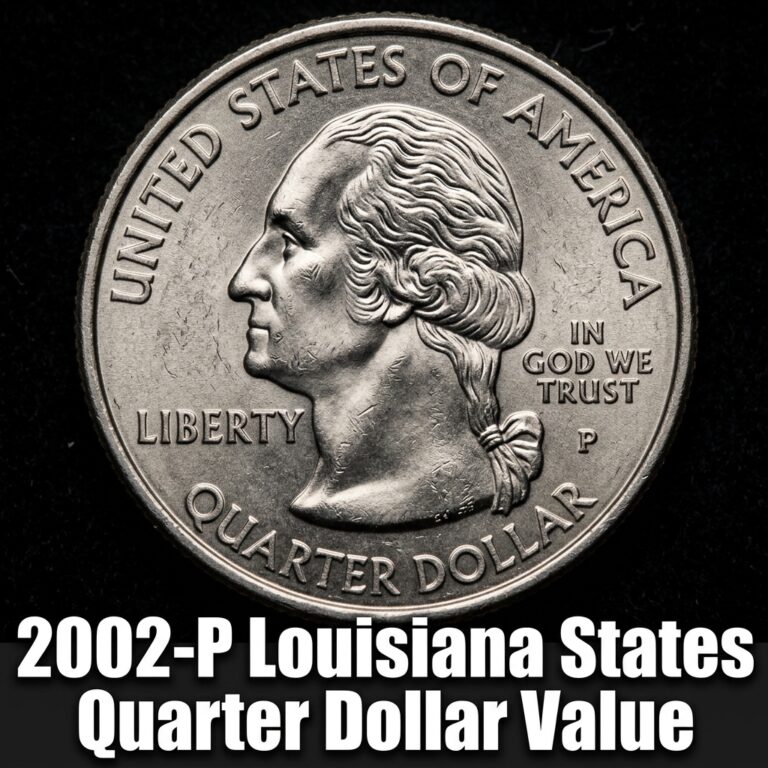
The obverse (front) of the 2017 Effigy Mounds quarter remains the same as other quarters in the series, featuring the 1932 portrait of George Washington designed by John Flanagan. The words “United States of America,” “Liberty,” “In God We Trust,” and the “P” mint mark are clearly visible.
The reverse (back) is where the magic happens. Designed by Richard Masters and sculpted by Renata Gordon, it depicts a scenic view of the mounds in an aerial perspective. This design was actually quite controversial among coin enthusiasts and locals when it was first released, with some critics claiming it looked abstract or confusing.
Your Old Coin Could Be Valuable!
Identify It & Know Its Real Value — Free Download
Despite the initial mixed reviews, the coin has gained a following among those who appreciate the preservation of Native American heritage. When examining your coin, look for deep luster and sharp details on the bear shapes. If the bears look flat or “mushy,” the coin has likely spent too much time in circulation. You can check the current 2017-P Effigy Mounds Quarter price guide to see how much a perfect specimen is trading for today.
2017-P Effigy Mounds Quarter Mintage and Rarity
Mintage numbers play a massive role in determining a coin’s long-term value. For the Effigy Mounds release, the Philadelphia Mint struck approximately 210,800,000 coins. This is a very high number, ensuring that these coins will be common in circulation for many decades to come.
Your Old Coin Could Be Valuable!
Identify It & Know Its Real Value — Free Download
| Mint Facility | Mint Mark | Mintage Quantity |
|---|---|---|
| Philadelphia | P | 210,800,000 |
| Denver | D | 271,200,000 |
| San Francisco (Uncirculated) | S | 918,160 |
While the Philadelphia “P” quarters are common, the low-mintage “S” mint mark quarters (produced in San Francisco for collectors) are much rarer. Even though your “P” mint mark coin is common, a specimen in MS68 or MS69 condition is extremely rare because coins intended for circulation are handled roughly. To manage your inventory of these different mintages, let CoinKnow guide your journey by identifying the mint mark automatically for you.
Determining Value: Factors to Consider
When determining the value of your 2017-P Effigy Mounds quarter, three factors are king: Grade, Errors, and Luster. Grade is a numerical scale from 1 to 70 that describes the condition of the coin. A coin that has been used to buy groceries is likely “Circulated,” while a coin that was tucked away in a roll immediately is “Mint State.”
You can find more detailed 2017 quarter value and grading information online to help you self-grade. Look for “bag marks”—the tiny nicks and scratches caused by coins hitting each other at the mint. Fewer marks mean a higher grade and a significantly higher price tag.
Your Old Coin Could Be Valuable!
Identify It & Know Its Real Value — Free Download
Another factor is the presence of “Die Deterioration.” As the dies that strike the coins wear out, the details of the mounds might appear blurry. While not a “valuable error” in the traditional sense, a coin struck from fresh, crisp dies is always more desirable to a collector than one struck from a worn die.
Known Errors and Variety Search
Collectors are always on the hunt for “Errors.” While the 2017-P Effigy Mounds Quarter doesn’t have a single famous error like the “Extra Leaf” Wisconsin quarter, there are minor anomalies to look for. These include doubled dies (where the lettering or design looks like it was printed twice) and “die chips.”
| Common Error Type | What to Look For | Estimated Added Value |
|---|---|---|
| Doubled Die Reverse (DDR) | Blurring/Doubling on “Iowa” or “2017” | $5 – $50 |
| Die Chips | Small bumps of extra metal on the bears | $2 – $10 |
| Off-Center Strike | Missing portion of the design | $20 – $100+ |
Die chips on the mounds are the most common find. In some cases, a die chip can make a bear look like it has a “backpack” or a “hat.” While these aren’t worth a fortune, they are fun to collect and can fetch a few extra dollars on auction sites like eBay. CoinKnow‘s high-resolution identification features can help you zoom in on these tiny details to see if you have a genuine error.
The Best Way to Store Your Quarters
If you find a 2017-P quarter that looks shiny and brand new, stop! Do not clean it. Cleaning a coin with chemicals or even a soft cloth can leave microscopic scratches that ruin its numismatic value. Professional buyers prefer “original skin,” which is the natural surface of the coin as it came from the mint.
Your Old Coin Could Be Valuable!
Identify It & Know Its Real Value — Free Download
For storage, avoid the “loose change jar.” Instead, use cardboard flips or plastic coin capsules. These prevent the coins from rubbing against each other, which preserves the delicate luster and the sharp peaks of the Effigy Mounds design. Proper storage ensures that as the years go by, your quarter remains in the best possible condition for resale or for a family heirloom.
Summary: Should You Save It?
In summary, the 2017-P Effigy Mounds quarter is a beautiful piece of American history, but most examples are only worth $0.25. If you find one in exceptionally glossy, scratch-free condition, it might be worth keeping. Similarly, if you spot any weird doubling or extra metal bumps, you could have a small treasure on your hands.
Always keep an eye on the auction market and use tools like the CoinKnow app to stay updated on price fluctuations. As the America the Beautiful series ages, the demand for high-grade specimens will likely increase, turning your pocket change into a savvy investment.
FAQ
Q: Why is it called an “Effigy Mounds” quarter?
A: It is named after the Effigy Mounds National Monument in Iowa, which preserves over 200 prehistoric mounds built by Native Americans, many of which are shaped like animals like bears and birds.
Your Old Coin Could Be Valuable!
Identify It & Know Its Real Value — Free Download
Q: Is there a silver version of the 2017-P quarter?
A: No, the “P” mint mark signifies a copper-nickel clad coin. However, the San Francisco mint produced 90% silver versions for proof sets. These will have an “S” mint mark and a much shinier, mirror-like finish.
Q: How can I tell if my 2017 quarter is uncirculated?
A: An uncirculated coin will have “mint luster,” a spinning-light effect when you rotate the coin under a lamp. If the highest points of the design (like Washington’s cheek or the bears’ bodies) look smooth or dull, it is likely circulated.
Q: Where is the mint mark on the 2017 quarter?
A: The mint mark is located on the obverse (front) of the coin, to the right of George Washington’s ponytail. Look for a small “P” for Philadelphia or “D” for Denver.