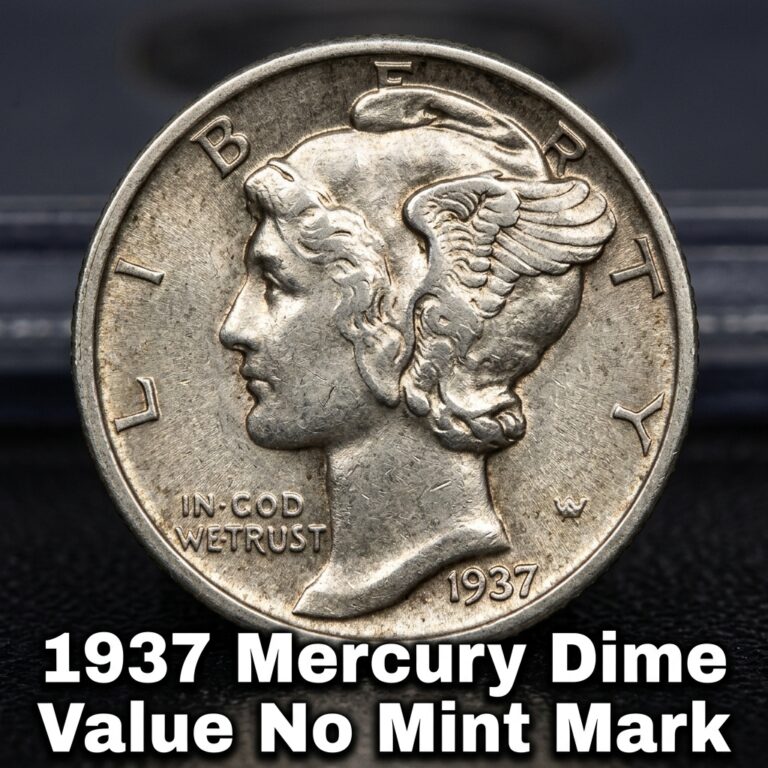
1917-S Obverse Walking Liberty Half Dollar Value & Prices

Your Old Coin Could Be Valuable!
Identify It & Know Its Real Value — Free Download


The 1917-S Obverse Walking Liberty Half Dollar is worth anywhere from $25 in heavily worn condition to over $35,000 for high-grade mint specimens. This specific variety is a favorite among collectors due to its unique mint mark placement and its historical significance during the first years of the “Walker” series.
| Condition / Grade | Estimated Value (USD) |
|---|---|
| Good (G-4) | $25 – $35 |
| Very Fine (VF-20) | $150 – $220 |
| About Uncirculated (AU-50) | $550 – $800 |
| Uncirculated (MS-63) | $2,800 – $4,500 |
| Choice Uncirculated (MS-65+) | $15,000+ |
Why the 1917-S Obverse Mint Mark is So Special
If you’ve found a silver half dollar from 1917, the first thing you need to do is look for the “S” mint mark. During 1917, the San Francisco Mint changed where they placed their mark. For the first half of the year, they put the “S” on the front (obverse) of the coin, right under the motto “In God We Trust.”
Later that year, they moved it to the back (reverse). This makes the 1917-S Obverse variety much rarer than its successor. If you aren’t sure which one you have, using a top coin identifier and value app can help you verify the mint mark location instantly.
Because of this mid-year change, collectors hunt specifically for the obverse-marked coins. The CoinKnow app can help you track these specific varieties. Most Americans who find these in old jars or collections have the common reverse variety, which is still valuable, but usually worth less than the sought-after obverse version.
Your Old Coin Could Be Valuable!
Identify It & Know Its Real Value — Free Download
Understanding the 1917-S Walking Liberty Half Dollar Grade
The value of your 1917-S Obverse Walking Liberty Half Dollar depends almost entirely on its “grade.” Grade refers to how much wear and tear the coin has seen. Because these coins were made of 90% silver and circulated heavily during World War I, finding one with crisp details is a challenge.
Your Old Coin Could Be Valuable!
Identify It & Know Its Real Value — Free Download
In “Good” condition, you can barely see the lines in Lady Liberty’s dress. By the time you reach “Extremely Fine,” her gown and the feathers on the eagle’s wing are sharp and distinct. If you have a specimen that looks like it just came from the bank, you may be looking at a life-changing sum of money.
The current 1917 half dollar value for high-grade coins reflects this scarcity. Professional grading by services like PCGS or NGC is often required to reach the top-tier prices. CoinKnow users often share high-resolution photos with experts to get a preliminary idea of their coin’s grade before paying for professional services.
Your Old Coin Could Be Valuable!
Identify It & Know Its Real Value — Free Download
| Technical Grade | Visual Description | Market Price |
|---|---|---|
| VG-8 (Very Good) | Liberty’s gown is smooth but rim is full. | $45 – $60 |
| EF-40 (Extremely Fine) | Light wear on breasts and eagle’s legs. | $350 – $480 |
| MS-60 (Mint State) | No wear, but many scratches/bag marks. | $1,800+ |
Silver Content and Melt Value for 1917-S Half Dollars
Even if your coin is so worn that the date is barely visible, it still holds intrinsic value. Every Walking Liberty Half Dollar minted between 1916 and 1947 contains 0.36169 troy ounces of pure silver. This is known as “melt value.”
While serious collectors ignore “cull” or damaged coins, the average person should know that their silver content makes them worth significantly more than 50 cents. When silver prices rise, even the most damaged 1917-S Obverse coin will see its price floor increase.
However, because the 1917-S Obverse is a semi-key date, its collector value almost always exceeds its silver weight. Do not clean your coin! Cleaning old silver removes the “patina” and can cut the collector value by 50% or more. Real-time data shows that 1917-S Obverse Half Dollar market prices remain strong even when silver fluctuates.
Your Old Coin Could Be Valuable!
Identify It & Know Its Real Value — Free Download
Identifying the Obverse vs. Reverse Mint Mark
Confusion often arises because 1917 San Francisco halves were minted in two distinct styles. To find the “S” on the obverse, look at the front of the coin. It should be located just below the motto “In God We Trust.” If you see the “S” there, you have the more valuable variety.
If there is no letter on the front, flip the coin over and look at the bottom left on the reverse side. An “S” on the back indicates the “1917-S Reverse” variety. While still 90% silver and collectible, the mintage was higher, making it less scarce in most grades.
Using a tool like CoinKnow helps enthusiasts avoid mistakes when identifying these subtle differences. Magnification is key here, as many coins from 1917 have significant “circulated grime” that can hide a tiny mint mark.
Your Old Coin Could Be Valuable!
Identify It & Know Its Real Value — Free Download
| Variety Type | Rarity Level | Premium Over Silver |
|---|---|---|
| 1917-S Obverse | High | Very High |
| 1917-S Reverse | Medium | Moderate |
| 1917-P (No Mint Mark) | Low | Low |
What to Do if You Find a 1917-S Obverse Coin
If you are lucky enough to find one of these coins in an attic or a purchased lot, handle it with care. Holding the coin by its edges, rather than the flat faces, prevents oils from your skin from staining the silver. Avoid the urge to polish it with silver cleaner or a cloth.
The next step is to research the 1917-S Obverse Walking Liberty Half Dollar value using updated price guides. Many local coin shops will offer you “wholesale” prices, which are usually 20-30% below what a private collector would pay.
For high-value items, consider an auction house. Coins in Mint State (uncirculated) condition can fetch thousands of dollars. Always check recent sales records to ensure you aren’t being underpaid for a rare treasure.
FAQ
Q: Where is the mint mark on a 1917-S Obverse Half Dollar?
A: The “S” mint mark is located on the front of the coin, specifically on the lower right side, just beneath the words “In God We Trust.”
Your Old Coin Could Be Valuable!
Identify It & Know Its Real Value — Free Download
Q: How much silver is in a 1917 Walking Liberty Half Dollar?
A: Each coin is composed of 90% silver and 10% copper. It contains exactly 12.5 grams of total weight, with about 0.3617 ounces being pure silver.
Q: Why is the obverse mint mark more valuable than the reverse?
A: The San Francisco mint only produced the obverse mint mark for part of 1917 before switching to the reverse side. The lower production numbers for the obverse variety created a scarcity that drives up collector demand.
Q: Should I get my 1917-S Obverse Half Dollar professionally graded?
A: If your coin is in “About Uncirculated” or “Mint State” condition, professional grading is highly recommended. For heavily worn coins worth less than $100, the cost of grading may be more than the coin’s value.