2014-S Great Smoky Mtns Quarter Value: Collector’s Guide

Your Old Coin Could Be Valuable!
Identify It & Know Its Real Value — Free Download


The 2014-S Great Smoky Mtns Quarter is worth anywhere from $0.25 for circulating copies to over $45 for high-grade silver proof versions. Whether you found one in a coin jar or a plastic holder, its value depends heavily on the metal content and the specific “S” mint mark finish.
| Coin Version | Estimated Value (Ungraded) | Top Auction Price |
|---|---|---|
| 2014-S Clad Proof | $1.50 – $4.00 | $50+ |
| 2014-S Silver Proof (90% Silver) | $12.00 – $18.00 | $80+ |
| 2014-S Business Strike (NIFC) | $0.50 – $2.00 | $150+ (MS68) |
Why the San Francisco Mint Mark Matters
The 2014 Great Smoky Mountains National Park quarter was the 21st release in the America the Beautiful Quarters Program. While the Philadelphia and Denver mints produced hundreds of millions of coins for general circulation, the San Francisco Mint (S mint mark) took a different approach. Finding an “S” on your quarter usually means you have something slightly more special than a standard pocket change find.
If you are unsure if your coin is a rare variety or just a common strike, using a top coin identifier and value app can help you distinguish between the different finishes instantly. In 2014, the San Francisco mint produced three distinct types of this quarter: standard “Business Strike” versions sold in bags and rolls to collectors, copper-nickel Clad Proofs, and the highly sought-after 90% Silver Proofs.
Because the Mint did not release these “S” quarters into general circulation, they are technically “Not Intended For Circulation” (NIFC). Most people who own them bought them directly from the US Mint or inherited them as part of a collection. If you found one in a vending machine, it likely means a collector spent it by mistake, making it a “circulated proof” or a “circulated NIFC.” Tools like CoinKnow can be incredibly helpful for identifying these nuances right from your smartphone.
Your Old Coin Could Be Valuable!
Identify It & Know Its Real Value — Free Download
Understanding 2014-S Great Smoky Mtns Quarter Value and Varieties
When evaluating your coin, the first thing to check is the composition. Most 2014-S quarters are “Clad,” meaning they are made of a copper-nickel sandwich. However, the Silver Proof version contains 90% silver and 10% copper. You can tell the difference by looking at the edge of the coin; if you see a solid silver stripe with no copper showing, you’ve likely found the silver version.
To get a better idea of the current market, you can check the latest Great Smoky Mtns quarter pricing data for high-grade specimens. While that data often refers to the Philadelphia or Denver strikes, the “S” mint mark usually carries a premium because of its significantly lower mintage. Collectors value these coins for their frosted appearance and sharp details.
Your Old Coin Could Be Valuable!
Identify It & Know Its Real Value — Free Download
The value also shifts depending on whether the coin has been “graded” by a professional service like PCGS or NGC. A raw, uncirculated “S” business strike might only be worth a dollar or two. However, if that same coin is sent in and receives a grade of MS67 or MS68, its value can skyrocket into the hundreds of dollars. For the average person, keeping the coin in a protective sleeve is the best way to preserve whatever value it currently holds.
| Condition/Grade | Business Strike (S) | Silver Proof (S) |
|---|---|---|
| Circulated / Worn | $0.25 – $0.50 | Melt Value (~$5.00) |
| Uncirculated / Mint State | $1.00 – $5.00 | $12.00 – $20.00 |
| Gem Grade (MS67 / PF69) | $25.00+ | $35.00+ |
Design Features of the Great Smoky Mountains National Park Quarter
The reverse design of this coin is visually stunning, which is why it remains a favorite among many hobbyists. It depicts a lush forest with a hawk circling above a historic mountain cabin. The Great Smoky Mountains are known for their misty summits, and the artist, Chris Costello, did an excellent job translating that “smoky” atmosphere onto a small metal canvas.
Your Old Coin Could Be Valuable!
Identify It & Know Its Real Value — Free Download
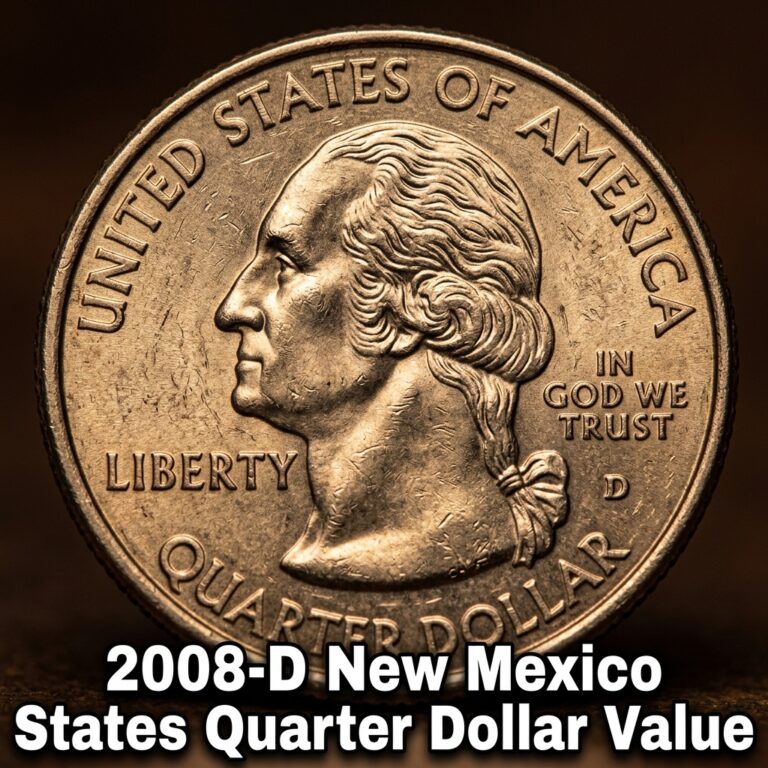
On the obverse (front) of the coin, you will find the standard portrait of George Washington used for the America the Beautiful series. This is where you need to look for the “S” mint mark. It is located to the right of Washington’s ponytail. Identifying this tiny letter is the key to knowing if you have a special mint product or just a common Philadelphia (P) or Denver (D) strike.
For those curious about how this specific year compares to others in the series, reviewing the 2014 quarter series value guide can provide useful context. 2014 featured other parks like Shenandoah and Arches, but the Great Smoky Mountains design often carries a slight premium due to the massive popularity of the park itself, which is the most visited national park in the United States.
Mintage Figures and Rarity of the 2014-S Issue
Mintage numbers play a huge role in the value of any coin. For the 2014-S Great Smoky Mountains quarter, the production numbers are much lower than the hundreds of millions produced in the P and D mints. This scarcity is what drives the collector market. If a coin is hard to find, people will naturally pay more for it to fill a hole in their collection.
Your Old Coin Could Be Valuable!
Identify It & Know Its Real Value — Free Download
While the “S” mint mark makes it rarer than a typical quarter, it isn’t necessarily a “holy grail” coin like a 1932-D Washington quarter. Instead, it serves as a gateway to high-end collecting. Many people use CoinKnow to track these mintage shifts and ensure they aren’t accidentally spending a coin that is part of a limited run of only 1 million pieces.
The silver proof version is particularly interesting because its value is tied to both its numismatic rarity and the current price of silver bullion. If the price of silver goes up, the value of the 2014-S Silver Proof quarter rises automatically. This makes it a popular “stacking” item for those who like to invest in precious metals while also enjoying the beauty of US coinage.
| Mint Type | Estimated Mintage |
|---|---|
| San Francisco (S) Business Strike | ~993,000 |
| San Francisco (S) Clad Proof | ~1,200,000 |
| San Francisco (S) Silver Proof | ~600,000 |
Tips for Identifying and Selling Your 2014-S Quarter
If you think you have a valuable 2014-S Great Smoky Mtns quarter, the first step is to avoid cleaning it. Cleaning a coin with chemicals or a rough cloth can instantly destroy its collector value. A coin in its natural state, even with some light tarnish or “toning,” is always preferred by serious numismatists over a shiny, scrubbed coin.
Your Old Coin Could Be Valuable!
Identify It & Know Its Real Value — Free Download
When you’re ready to sell, consider your options carefully. Local coin shops are great for quick cash, but they need to make a profit, so they may offer you a wholesale price. Online marketplaces like eBay or specialized auction houses are better for high-grade “S” quarters that might fetch a premium. Many beginners start by downloading CoinKnow to get a baseline price so they know what to expect when talking to a dealer.
Remember that “condition is king.” A 2014-S quarter that has been rattling around in a pocket for years will likely only be worth its scrap metal value or its face value. However, a coin that was pulled from a fresh U.S. Mint set and remains in pristine, mirror-like condition could be worth ten times its original cost. Always hold your coins by the edges to prevent oils from your skin from damaging the delicate surfaces.
FAQ: Common Questions About the 2014-S Quarter
##
Q: How can I tell if my 2014-S Great Smoky Mtns quarter is silver?
A: Check the edge of the coin. If you see a sandwich-like appearance with a copper/orange stripe in the middle, it is a clad coin. If the edge is solid silver and white, it is likely the 90% silver proof version. You can also weigh it: a silver quarter weighs 6.25 grams, while a clad quarter weighs 5.67 grams.
Your Old Coin Could Be Valuable!
Identify It & Know Its Real Value — Free Download
Q: Is there a 2014 Great Smoky Mtns quarter error?
A: While no major “mega-errors” have been widely publicized for this specific issue, collectors always look for “doubled dies” on the cabin or the hawk’s feathers. Small die chips or “cuds” can also occasionally be found and may add a small premium to the coin’s value.
Q: Why is there an “S” on my quarter if it isn’t a proof?
A: In 2012, the US Mint started producing “Business Strike” quarters at the San Francisco mint specifically for collectors. Unlike “P” and “D” quarters, these “S” quarters were not sent to banks for general use and had to be purchased in bags and rolls at a premium price from the Mint.
Q: Where is the best place to find the current value of this coin?
A: You can use a mobile app like CoinKnow for a quick check, or visit professional websites like PCGS and NGC for historical auction data. Local coin shows are also a fantastic place to talk to experts who can grade your coin in person.