2012-P Chaco Culture Quarter Value: Is It Worth More Than 25 Cents?

Your Old Coin Could Be Valuable!
Identify It & Know Its Real Value — Free Download


The 2012-P Chaco Culture Quarter is worth anywhere from face value in circulated condition to over $100 in high-grade Mint State. While most of these America the Beautiful quarters you find in your pocket change are only worth 25 cents, certain rare specimens can be worth a significant premium to collectors.
| Condition / Grade | Estimated Value |
|---|---|
| Circulated (Average Wear) | $0.25 – $0.50 |
| About Uncirculated (AU) | $0.75 – $1.50 |
| Mint State 63 (MS63) | $3.00 – $6.00 |
| Mint State 65 (Gem BU) | $15.00 – $25.00 |
| Mint State 67+ (Rare) | $100.00+ |
History of the 2012-P Chaco Culture National Historical Park Quarter
The 2012 Chaco Culture quarter represents the 12th release in the ambitious “America the Beautiful” Quarters Program. This series, which began in 2010, was designed to honor national parks and significant sites across all 50 states and U.S. territories. The Chaco Culture design specifically commemorates the ruins of the Chacoan civilization in New Mexico, featuring a detailed depiction of the Chetro Ketl great house.
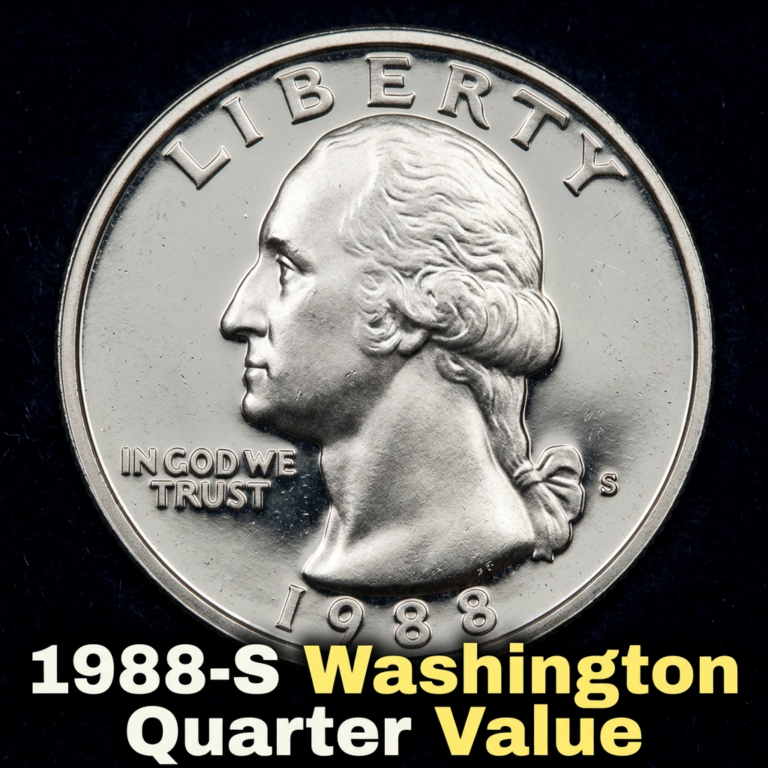
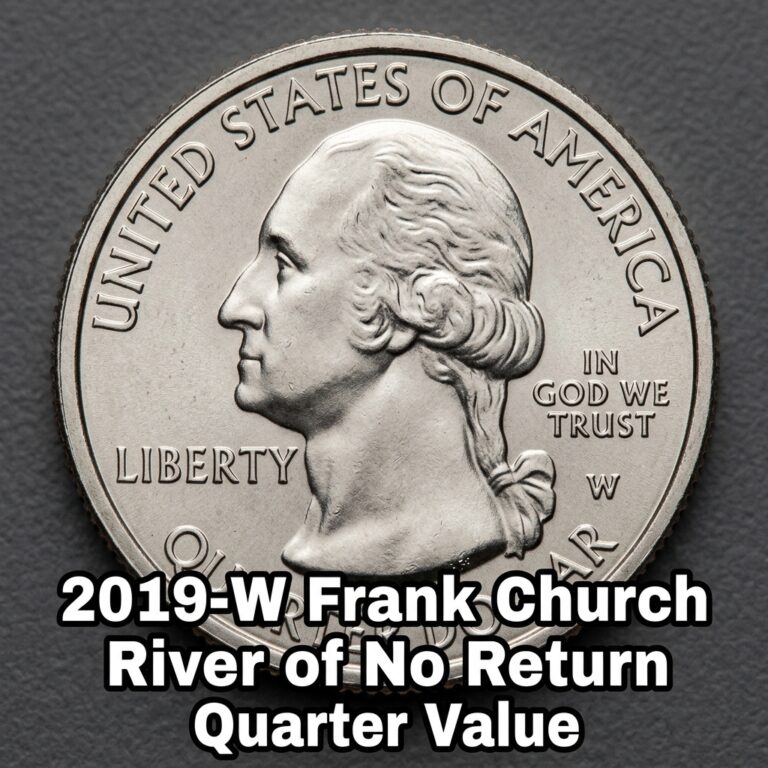
If you have stumbled upon one of these in your change, using a top coin identifier and value app can help you quickly determine its lineage. The “P” mint mark located on the obverse (the side with George Washington) indicates that this coin was struck at the Philadelphia Mint.
During the year 2012, the U.S. Mint produced a relatively low number of these quarters compared to previous years. Because mintage numbers were lower in the early 2010s due to the economic climate, many collectors began hunting for these specific coins. While they aren’t technically “rare” in the sense of a 19th-century rarity, finding a pristine, scratch-free example can be quite a challenge for the average person.
Your Old Coin Could Be Valuable!
Identify It & Know Its Real Value — Free Download
How Mintage Numbers Affect 2012-P Chaco Culture Quarter Value
In the world of coin collecting, supply and demand are the primary drivers of price. The 2012-P Chaco Culture quarter saw a mintage of approximately 22 million units. To put that in perspective, some state quarters from the late 1990s had mintages exceeding 400 million or even 800 million per mint.
Because the supply of the 2012-P is significantly lower than that of the average quarter, collectors are often willing to pay a small premium for even circulated coins if they are completing a set. If you are unsure about the rarity of your find, the CoinKnow app can provide instant context on mintage figures and current market demand.
Your Old Coin Could Be Valuable!
Identify It & Know Its Real Value — Free Download
The Philadelphia Mint specifically produced 22,000,000 of these coins. While this sounds like a lot, it is one of the lower-mintage entries in the entire America the Beautiful series. This scarcity is exactly why many hobbyists keep an eye out for 2012 quarter value data when searching through rolls from the bank.
| Mint Mark | Location | Mintage Quantity |
|---|---|---|
| P | Philadelphia | 22,000,000 |
| D | Denver | 22,000,000 |
| S | San Francisco | 1,114,832 (Uncirculated sets/Proofs) |
Identifying Key Features and Design Elements
The reverse of the 2012-P Chaco Culture quarter is a masterpiece of architectural detail. It shows two kivas (ceremonial pits) in the foreground and the distinctive “D-shaped” architecture of Chetro Ketl in the background. The design also includes the inscriptions “CHACO CULTURE,” “NEW MEXICO,” “2012,” and “E PLURIBUS UNUM.”
Your Old Coin Could Be Valuable!
Identify It & Know Its Real Value — Free Download
On the obverse side, you will find the familiar bust of George Washington. However, unlike the classic quarters from 1932-1998, the inscriptions “UNITED STATES OF AMERICA,” “LIBERTY,” and “IN GOD WE TRUST” are arranged differently to allow more space for the commemorative design on the back.
Professional collectors look at the “strike” of the coin—how sharp the lines of the kivas are. Even a small amount of wear on the high points of the ruins can significantly lower the price. If you want to see how minor details impact the 2012-P quarter market value, comparing high-resolution photos in a grading app is highly recommended. Utilizing CoinKnow allows you to compare your coin against high-grade reference images to see where yours stands.
Grading System: From Pocket Change to Investment Grade
Before you try to sell your 2012-P Chaco Culture quarter, you must understand grading. A “circulated” coin is one that you found in your change; it likely has scratches and dullness. These are usually worth no more than 25 to 50 cents.
Your Old Coin Could Be Valuable!
Identify It & Know Its Real Value — Free Download
“Uncirculated” or “Mint State” (MS) coins have never been used in commerce. They retain their original “mint luster”—that satiny shine they had when they left the press. Collectors use a scale from 1 to 70. A coin graded MS65 is considered “Gem BU” (Brilliant Uncirculated), while an MS67 or MS68 is exceptionally rare and valuable.
| Grade (Adjectives) | Description of the Coin |
|---|---|
| Good (G) / Fine (F) | Extremely worn, outlines are flat, many scratches. |
| Extra Fine (EF/XF) | Light wear on high points, most detail remains. |
| Mint State (MS60-63) | No wear, but many bag marks or small scratches. |
| Mint State (MS65-66) | Very attractive with strong luster and few marks. |
| Mint State (MS67+) | Nearly perfect; incredibly rare to find in circulation. |
Collecting Tips for Chaco Culture Quarters
If you want to start a collection, the 2012-P is a great entry point. Since it is part of a larger series, many people look for the “P,” “D,” and “S” versions of the same design. In some cases, the Denver (D) mint mark quarters of this year follow similar price trends, though the Philadelphia (P) mint marks are sometimes struck slightly more softly, making high-grade examples harder to find.
Always handle your coins by the edges. The oils from your fingertips can leave permanent marks on an uncirculated quarter, potentially devaluing a coin from $20 down to $1. If you think you’ve found a winner, using CoinKnow can help you document your collection and keep track of price changes over time.
Many collectors also look for “Mint Errors.” Errors occur when the machinery malfunctions, resulting in clipped planchets, double dies, or off-center strikes. While no major widespread errors have been discovered for the 2012-P Chaco Culture design yet, finding a unique error could make your 25-cent coin worth hundreds of dollars.
Your Old Coin Could Be Valuable!
Identify It & Know Its Real Value — Free Download
Where to Sell Your 2012-P Chaco Culture Quarter
Once you’ve identified that your coin is in exceptional condition, you might wonder where to sell it. For average circulated coins, your local coin shop is the best bet, though they may only buy them in bulk or if you have a full set.
For high-grade specimens (MS65 or higher), online marketplaces like eBay or specialized numismatic auction houses are better choices. Before listing, check the most recent “Sold” listings rather than “Active” listings to see what buyers are actually paying right now.
Always remember that professional grading (sending the coin to PCGS or NGC) costs money (usually $20-$50 per coin). Unless your quarter is in virtually perfect condition, it may not be worth the cost of professional certification. Use your apps and online guides to make an informed decision before spending money on grading fees.
FAQ
Q: How can I tell if my 2012 Chaco Culture quarter is a “P” or “D”?
A: Small letters are located on the “heads” (obverse) side, just to the right of George Washington’s ponytail. “P” stands for Philadelphia and “D” stands for Denver.
Your Old Coin Could Be Valuable!
Identify It & Know Its Real Value — Free Download
Q: Is there a silver version of the 2012 Chaco Culture quarter?
A: Yes, the San Francisco Mint (S) produced silver proof versions that are 90% silver. These are not found in ordinary circulation and were sold in special sets. They are worth significantly more due to their silver content.
Q: Why is my quarter worth more than others found in my change?
A: Usually, it comes down to condition. Most coins in your pocket have “bag marks” from bumping into other coins. An uncirculated coin that was pulled from a fresh roll or set has a level of detail and shine that collectors pay extra for.
Q: Are there any known errors for the 2012-P Chaco Culture quarter?
A: There are no major “famous” errors for this specific issue, but minor errors like “die chips” (extra bumps of metal) or “die cracks” are always possible and can add a small premium for error collectors.