1942 Walking Liberty Half Dollar Value Guide What Is It Worth Today

Your Old Coin Could Be Valuable!
Identify It & Know Its Real Value — Free Download


The 1942 Walking Liberty Half Dollar is worth anywhere from around $12 in heavily worn condition to well over $500 or more in uncirculated mint state grades. If you’ve found one of these beautiful old coins, you’re holding a genuine piece of American silver history — and it could be worth more than you think.
—
What Makes the 1942 Walking Liberty Half Dollar Special
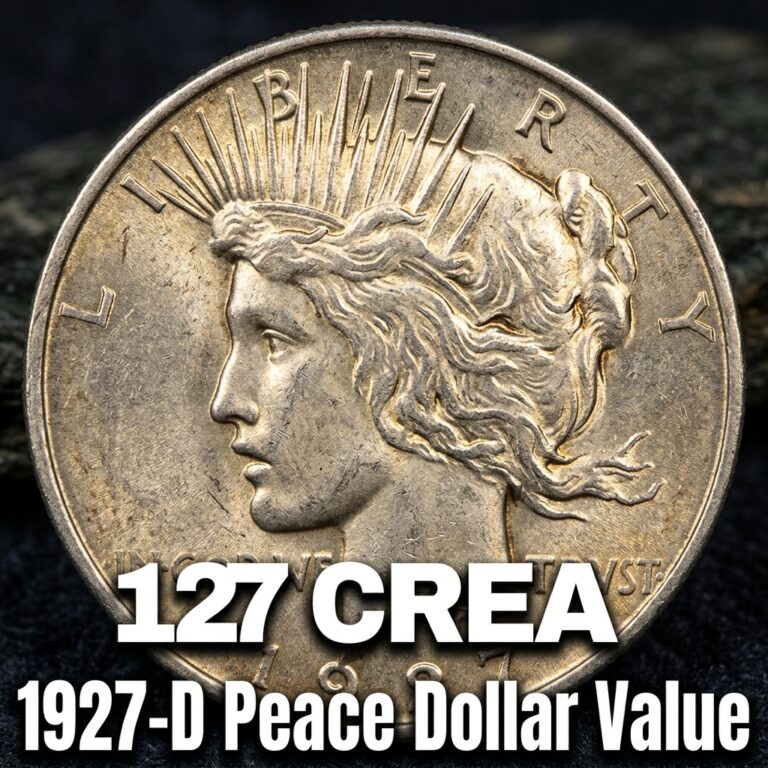
The Walking Liberty Half Dollar is widely considered one of the most beautiful coins ever struck by the U.S. Mint. Designed by Adolph A. Weinman, the obverse features Lady Liberty draped in the American flag, striding confidently toward the sunrise. The reverse shows a proud bald eagle perched on a mountain crag.
The coin was minted from 1916 to 1947, and the 1942 issue is one of the more common dates in the series — but “common” doesn’t mean worthless. Every 1942 Walking Liberty Half Dollar is made of 90% silver, giving it an intrinsic metal value even in poor condition.
With silver prices fluctuating around $25–$30 per ounce in recent years, a single coin contains roughly 0.3617 troy ounces of silver — so its melt value alone is typically $9 to $11 just from the metal. Any coin in decent shape is worth considerably more than that.
Your Old Coin Could Be Valuable!
Identify It & Know Its Real Value — Free Download
—
1942 Walking Liberty Half Dollar Value by Mint Mark and Grade
In 1942, the Walking Liberty Half Dollar was produced at three mints: Philadelphia (no mint mark), Denver (D), and San Francisco (S). The mint mark appears on the obverse, near the lower left edge of the coin.
Here’s a breakdown of approximate values across different conditions:
Your Old Coin Could Be Valuable!
Identify It & Know Its Real Value — Free Download
| Mint Mark | Mintage | Good (G-4) | Fine (F-12) | XF-40 | MS-63 | MS-65 |
|---|---|---|---|---|---|---|
| 1942 (P) | 47,839,120 | $12 | $14 | $18 | $55 | $200+ |
| 1942-D | 10,973,800 | $12 | $15 | $22 | $75 | $400+ |
| 1942-S | 12,708,000 | $12 | $15 | $22 | $80 | $500+ |
For a deeper look at certified mint state auction prices and recent sales data for the 1942 Walking Liberty Half Dollar, it’s worth checking professional grading registry data to see what top examples are actually fetching on the market.
—
How Condition Affects Your 1942 Half Dollar Value
Coin condition — called “grade” in the hobby — is the single biggest factor in determining value, next to mint mark. A heavily worn coin with flat, blurry details sits at the bottom of the value scale, while a crisp, lustrous uncirculated example can command hundreds of dollars.
Your Old Coin Could Be Valuable!
Identify It & Know Its Real Value — Free Download
When examining your 1942 Walking Liberty Half Dollar, focus on the high points of the design: Liberty’s head, hand, and the eagle’s breast feathers on the reverse. These areas wear down first. If you can clearly see the fine stripes on Liberty’s gown and the individual feathers on the eagle, your coin is likely in Fine to Very Fine condition.
Coins graded MS-63 or higher (true uncirculated condition) are where values really start to climb, especially for the 1942-D and 1942-S issues. If your coin looks brilliant and shows no signs of wear, it might be worth having it professionally graded by PCGS or NGC. A small grading fee can sometimes add significant dollars to your coin’s resale value.
You can also use a coin identifier and value app to quickly scan your coin and get an instant estimate of its grade range and approximate market value — no expertise required.
—
Your Old Coin Could Be Valuable!
Identify It & Know Its Real Value — Free Download
Special Varieties and Proof Coins Worth Extra Money
While most 1942 Walking Liberty Half Dollars are business-strike circulation coins, the Philadelphia Mint also produced Proof versions in 1942. These were struck using specially polished dies and planchets, creating sharply defined, mirror-like coins intended for collectors.
The 1942 Proof half dollar had a mintage of just 21,120 pieces — making them far scarcer than their circulation counterparts. In PR-65 condition, a 1942 Proof Walking Liberty Half Dollar can sell for $300 to $600 or more.
Beyond proofs, watch out for die varieties. Some 1942 coins show repunched dates, doubled dies, or other minor die anomalies that collectors actively seek. While these rarely add dramatic premiums on common-date coins, a repunched mint mark or strong doubled die can push values 20–50% above typical examples.
CoinKnow is a great resource if you’re trying to identify die varieties on your coin — its database covers dozens of known 1942 Walking Liberty varieties and can help you spot details that the naked eye might miss.
For a full breakdown of what your 1942 half dollar is worth based on mint mark, grade, and current silver prices, specialized coin value guides provide regularly updated estimates that reflect the real market.
Your Old Coin Could Be Valuable!
Identify It & Know Its Real Value — Free Download
—
Tips for Selling Your 1942 Walking Liberty Half Dollar
If you decide to sell, knowing your options can mean the difference between getting fair value and leaving money on the table. Local coin dealers are convenient but may offer 60–70% of retail value. Online marketplaces like eBay or Heritage Auctions can return higher prices, especially for better-grade coins.
For circulated coins worth under $30, bulk silver buyers are a practical option since they pay based on silver content. For anything in XF or better condition, take your time and explore multiple venues.
Never clean your coins before selling. Cleaned coins lose collector value dramatically — even a light polish can reduce a coin’s grade and shorten your payout significantly. Let the natural patina stay as-is.
CoinKnow can help you estimate realistic selling prices before you approach a dealer, so you walk in knowing roughly what your coin is worth and won’t be caught off guard by a lowball offer.
Your Old Coin Could Be Valuable!
Identify It & Know Its Real Value — Free Download
—
FAQ
Q: Is every 1942 Walking Liberty Half Dollar made of silver?
A: Yes. Every 1942 Walking Liberty Half Dollar — regardless of mint mark — is composed of 90% silver and 10% copper. Each coin contains 0.3617 troy ounces of pure silver, giving it a melt value that tracks with the silver spot price.
Q: How do I find the mint mark on my 1942 Walking Liberty Half Dollar?
A: Look at the obverse (front) of the coin, near the lower left near the rim, just above the date. A “D” means Denver, an “S” means San Francisco, and no mint mark means Philadelphia. On earlier years the mint mark appeared on the reverse, but from 1941 onward it moved to the obverse.
Q: My 1942 Walking Liberty Half Dollar looks shiny and clean — does that make it more valuable?
A: Not necessarily. If it was cleaned or polished at some point, that actually reduces its collector value. Genuine uncirculated luster has a cartwheel-like sheen when you rotate the coin under light. A coin that looks uniformly bright or shows hairline scratches under magnification has likely been cleaned, which collectors and dealers consider a negative — even CoinKnow flags cleaned coins as lower-value in its grading assessments.