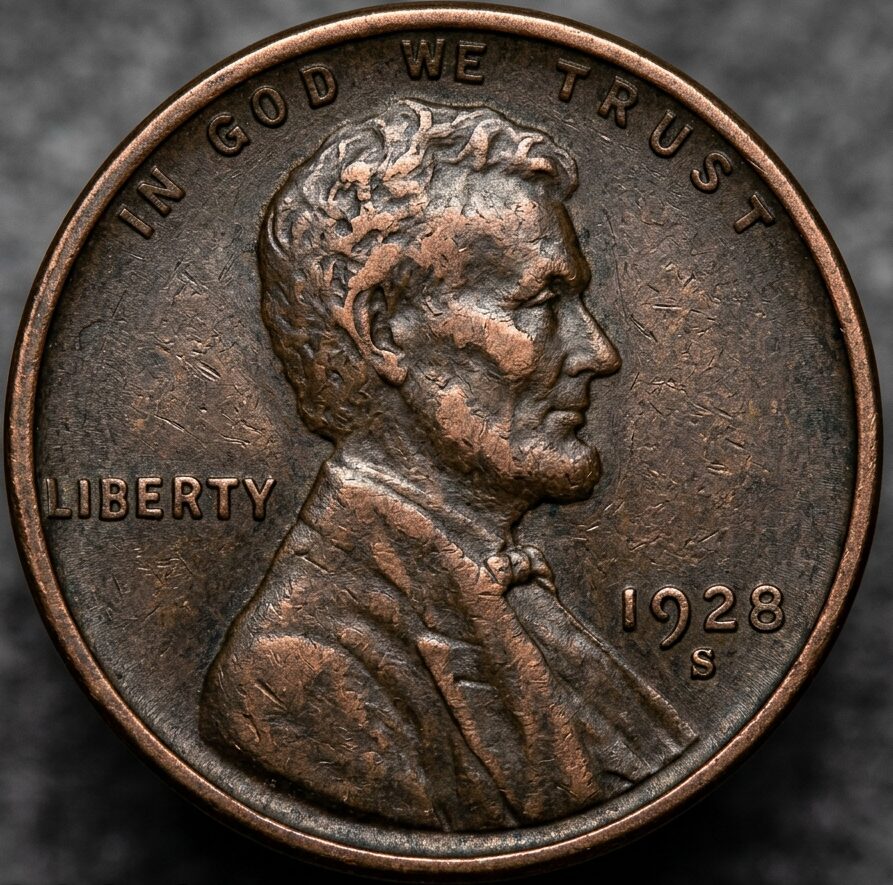
1945-S Jefferson Nickel Value: Price Guide for Collectors

Your Old Coin Could Be Valuable!
Identify It & Know Its Real Value — Free Download


The 1945-S Jefferson Nickel is worth anywhere from $1.50 in worn condition to over $1,200 in high-grade mint state. As a wartime “Silver Nickel,” this coin contains actual precious metal, making it a favorite for everyday Americans who discover them in pocket change or old jars.
| Condition / Grade | Estimated Value |
|---|---|
| Good (G4) | $1.50 – $2.00 |
| Extremely Fine (XF40) | $3.50 – $5.00 |
| Uncirculated (MS63) | $12 – $18 |
| Gem Mint (MS67 Full Steps) | $150 – $1,200+ |
Why the 1945-S Jefferson Nickel is a Wartime Treasure
If you have found a 1945 nickel with a large “S” above the building on the back, you are holding a piece of World War II history. During the war years (1942-1945), nickel was a critical material for armor plating and military equipment. To conserve this resource, the U.S. Mint changed the composition of the five-cent piece.
Instead of the standard copper-nickel alloy, these “war nickels” were struck in 35% silver, 56% copper, and 9% manganese. This makes the 1945-S Jefferson Nickel one of the few nickels in American history to contain silver. For many casual hunters, using a top coin identifier and value app is the easiest way to confirm this silver content.
Beyond its metal value, the 1945-S is famous for its large mint mark. Typically, mint marks are small and located next to the building (Monticello). However, on war nickels, the “S” for San Francisco was moved above the dome to distinguish them from standard nickels so they could be easily sorted out of circulation later. If you aren’t sure if yours is silver, you can use CoinKnow to scan it instantly.
Your Old Coin Could Be Valuable!
Identify It & Know Its Real Value — Free Download
Understanding the Melt Value and Collector Premium
The value of a 1945-S nickel is determined by two factors: its weight in silver (melt value) and its numismatic value (collector appeal). Because silver prices fluctuate daily, the base value of this coin changes constantly. Generally, even a heavily worn 1945-S nickel will always be worth more than five cents because of its 0.0563 troy ounces of silver.
However, collectors are looking for more than just metal. They seek coins with original luster and minimal scratches. When comparing prices, you might notice that a pristine example sells for much more than a “scruffy” one found in the street. For instance, looking at the 1945 nickel value charts, you can see how prices jump as soon as the coin enters the “Uncirculated” category.
Your Old Coin Could Be Valuable!
Identify It & Know Its Real Value — Free Download
| Market Factor | Impact on Price |
|---|---|
| Silver Spot Price | Provides a “floor” price (usually $1.50+) |
| Mint Luster | Adds $10 – $50 to the value |
| Full Steps (FS) | Can increase value by $100s or $1,000s |
Grading Your 1945-S Jefferson Nickel
Determining the grade of your coin is essential to knowing its true worth. Most 1945-S nickels found today are in “Circulated” condition, meaning they have passed through many hands. In these grades, the hair details on Jefferson’s portrait are smoothed out, and the pillars of Monticello on the reverse are blurry.
If your coin still looks shiny and brand new, it is likely “Uncirculated.” Collectors use a 1-70 scale to grade coins. A 70 is perfect, while a 1 is barely recognizable. While professional grading can be expensive, many people use the CoinKnow app to get a preliminary idea of their coin’s grade before sending it to a service like PCGS or NGC.
Your Old Coin Could Be Valuable!
Identify It & Know Its Real Value — Free Download
The most valuable 1945-S nickels are those with “Full Steps.” This refers to the steps on the front of Monticello. If you can see five or six clear, individual lines on those steps without any interruptions, your coin is much rarer. Accurate Jefferson nickel pricing for high grades shows that “Full Steps” examples are the holy grail for 1945-S hunters.
Rare Varieties and Errors to Look For
While the standard 1945-S is valuable, certain “errors” made during the striking process can make a coin worth a small fortune. One of the most famous is the re-punched mint mark (RPM). This happens when the “S” was punched into the die twice, creating a doubled effect on the letter.
Another common error for 1945 silver nickels includes “lamination” errors. Because the war-time alloy was experimental, the metal sometimes peels or flakes off the surface of the coin. While some collectors find this distracting, others specialize in these oddities. If you think you found an error, compare high-resolution photos in CoinKnow to see if yours matches known specimens.
Your Old Coin Could Be Valuable!
Identify It & Know Its Real Value — Free Download
| Common Error Types | Visual Description | Value Premium |
|---|---|---|
| Re-punched S | Double outlines on the ‘S’ | $20 – $100 |
| Lamination Crack | Peeling metal on Jefferson’s face | $5 – $30 |
| Die Cracks | Thin raised lines across the surface | $10+ |
Where to Sell Your 1945-S Jefferson Nickel
Once you’ve identified that you have a silver 1945-S nickel, you might want to turn it into cash. If you have just one or two worn coins, your best bet is a local coin shop. They will likely pay you slightly under the silver melt value so they can make a small profit. This is a fast and easy way to get a few dollars.
For high-grade coins or those with “Full Steps,” selling on platforms like eBay or Heritage Auctions is a better strategy. These platforms reach serious collectors willing to pay a premium. Before selling, ensure you have clear, close-up photos of both the front (obverse) and back (reverse) of the coin.
Always check the current market trends. The coin market can be volatile, and prices for silver nickels often follow the price of silver bullion. Keeping an eye on recent auction results will help you set a fair price and ensure you aren’t leaving money on the table.
How to Store Your Silver Nickels
Silver is a soft metal and can tarnish or “tone” over time. Many 1945-S nickels develop a dark, greasy-looking tarnish because of the manganese in the alloy. While some collectors love colorful toning (which can look like a rainbow), heavy black tarnish can sometimes lower the value.
Your Old Coin Could Be Valuable!
Identify It & Know Its Real Value — Free Download
To protect your coin, never clean it! Cleaning a coin with chemicals or a cloth will create micro-scratches that destroy its numismatic value. Instead, place it in a PVC-free plastic flip or a cardboard “2×2” holder. This prevents the silver from reacting with the air and keeps the coin in the same condition as the day you found it.
Storing your coins in a cool, dry place is also recommended. Excessive humidity can cause the copper and manganese in the wartime alloy to react, leading to “green rot” or corrosion. By taking these simple steps, you preserve the 1945-S Jefferson Nickel value for future generations of collectors.
| Storage Method | Best For |
|---|---|
| Cardboard 2x2s | Low to Mid-value coins |
| Plastic Capsules | Uncirculated or Silver coins |
| Professional Slabbing | Coins worth $100+ |
1945-S Jefferson Nickel FAQ
Q: How can I tell if my 1945 nickel is silver?
A: Check the back of the coin above the dome of Monticello. If there is a large letter “S,” “P,” or “D,” it is a silver war nickel. If there is no letter or the letter is small and to the right of the building, it is not silver.
Q: Is a 1945-S nickel rare?
A: It is not “rare” in a general sense, as over 58 million were minted. However, it is “scarce” in high grades (mint state) and highly desirable because of its 35% silver content.
Your Old Coin Could Be Valuable!
Identify It & Know Its Real Value — Free Download
Q: Should I clean my 1945-S nickel to make it look newer?
A: Definitely not. Cleaning a coin significantly reduces its collector value. Even if the coin looks dark or dirty, collectors prefer original surfaces over a cleaned, shiny look.
Q: What is the most expensive 1945-S nickel ever sold?
A: High-grade specimens with “Full Steps” can sell for several thousand dollars at auction if they are graded MS67 or higher. Record prices often exceed $6,000 for perfect examples.
Q: Are all 1945 nickels made of silver?
A: Yes, all Jefferson Nickels minted in 1945 (at Philadelphia, Denver, and San Francisco) were made with the 35% silver “wartime” composition.