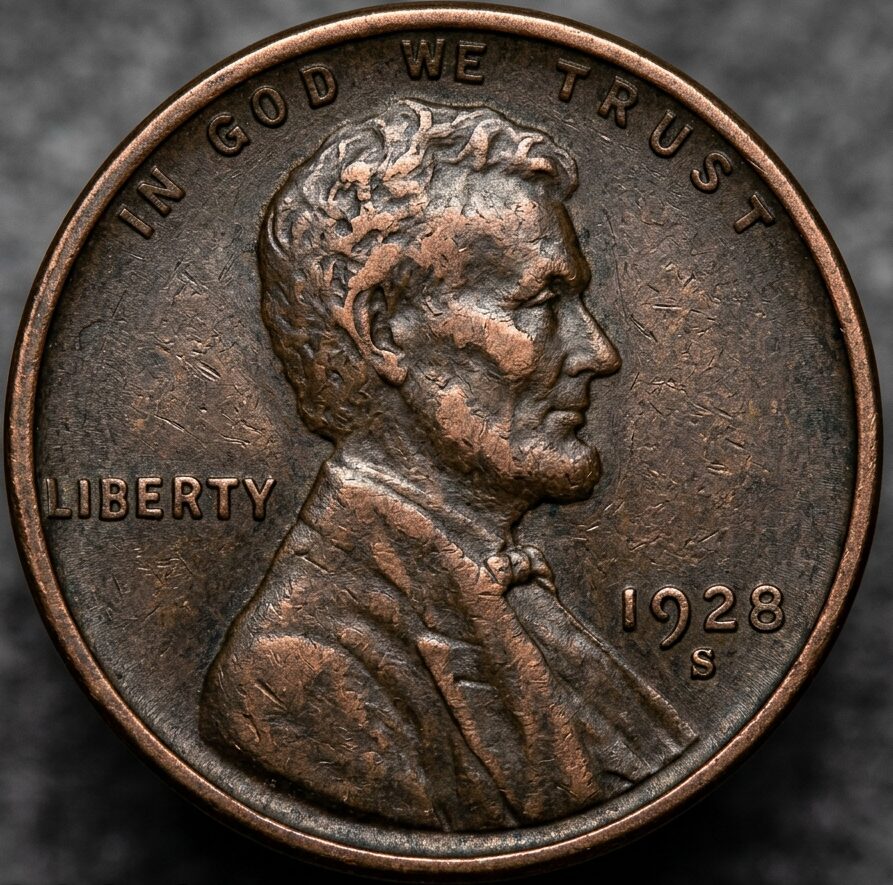
1949 Roosevelt Dime Value No Mint Mark: Comprehensive Price Guide

Your Old Coin Could Be Valuable!
Identify It & Know Its Real Value — Free Download


The 1949 Roosevelt Dime with no mint mark is worth anywhere from $2 in worn condition to over $250 in high-grade mint state. Finding one of these silver treasures in your pocket change or an old jar is an exciting discovery that connects you directly to post-World War II American history.
| Condition | Estimated Value (USD) |
|---|---|
| Good to Fine (Circulated) | $2.00 – $3.50 |
| Extremely Fine (AU) | $5.00 – $8.00 |
| Uncirculated (MS60-MS63) | $15.00 – $30.00 |
| Gem Mint State (MS65+) | $50.00 – $250+ |
Understanding the 1949 No Mint Mark Dime History
The 1949 Roosevelt Dime was struck during an era of prosperity and growth in the United States. If you look at your coin and notice there is no small letter “S” or “D” near the base of the torch on the reverse, it means your coin was minted in Philadelphia. During this period, the Philadelphia Mint produced millions of these silver coins for everyday commerce, but finding them today in pristine condition has become increasingly difficult.
For many Americans, identifying these coins is the first step toward building a valuable collection. If you are unsure whether you have a rare variety or a common strike, using a top coin identifier and value app can save you hours of guesswork. Tools like CoinKnow allow you to snap a photo and instantly see if your 1949 dime is a keeper or just worth its weight in silver.
Because these dimes are composed of 90% silver, they have an intrinsic “melt value” that fluctuates with the precious metals market. However, collectors are often willing to pay much more than the silver price for coins that have been preserved well over the last seven decades. Understanding the nuances of the 1949 Philadelphia strike is key to realizing its true potential.
Your Old Coin Could Be Valuable!
Identify It & Know Its Real Value — Free Download
Grading and 1949 Roosevelt Dime Condition Values
Determining the exact grade of your 1949 Roosevelt Dime is the most influential factor in its market price. Most coins found in circulation today fall into the “Good” to “Very Fine” categories. These coins will show significant wear on FDR’s hair and the vertical lines of the torch on the back. While they are still valuable for their silver content, they don’t command the high premiums associated with uncirculated specimens.
To get a better idea of what professional graders look for, check out the specialized 1949 Roosevelt dime mint state price data. This data illustrates how a single point on the grading scale can jump the price from $20 to over $100. Collectors look for “Full Bands” (FB) on the torch, which indicates a very sharp strike from the mint.
Your Old Coin Could Be Valuable!
Identify It & Know Its Real Value — Free Download
If your coin looks like it just came from the bank in 1949—with a bright luster and no scratches—it might be a Mint State (MS) coin. These are the “holy grails” for Roosevelt Dime enthusiasts. Using an app like CoinKnow can help you compare your coin’s luster and detail against high-resolution images of certified grades to see where yours fits in.
| Grade Designation | Visual Description | Retail Value |
|---|---|---|
| Circulated (Average) | Worn hair details, visible smooth spots. | $2.10 |
| About Uncirculated (AU) | Slight wear on high points, some luster remains. | $6.50 |
| Mint State 63 (MS63) | Original mint shine, a few contact marks. | $22.00 |
| Mint State 67 (MS67) | Virtually perfect, deep luster, no visible flaws. | $185.00 |
Silver Content and Melt Value for 1949 Dimes
Every 1949 Roosevelt Dime, regardless of its condition or mint mark, contains 0.07234 troy ounces of pure silver. This means that even if the coin is bent, scratched, or heavily cleaned, it will never be worth less than its silver weight. When silver prices rise, the value of your old dimes rises right along with them.
Your Old Coin Could Be Valuable!
Identify It & Know Its Real Value — Free Download
For a detailed breakdown of how the silver market impacts your collection, you can view the 1949 dime silver value and market info. It is important to remember that silver value is the “floor” for these coins. If you try to sell a 1949 no mint mark dime to a local coin shop, they will likely offer you a price based on the current “spot” price of silver if the coin is in average condition.
However, many beginners make the mistake of selling high-grade coins for just their silver value. This is where CoinKnow becomes an essential tool; it helps you distinguish a common silver “junk” coin from a numismatic treasure that should be kept in a protective sleeve rather than thrown into a melting pot.
Rare Varieties and Full Band (FB) Designations
While the 1949 Philadelphia dime doesn’t have many famous “error” versions like some other years, the “Full Bands” designation is what professional collectors chase. On the reverse of the dime, there is a torch. The horizontal bands at the top and bottom of this torch are often weakly struck. If those bands are clearly separated and distinct, the coin receives the “FB” status from grading services like PCGS or NGC.
Your Old Coin Could Be Valuable!
Identify It & Know Its Real Value — Free Download
A 1949 dime with Full Bands can be worth five to ten times more than a standard strike in the same grade. This is because the Philadelphia mint in 1949 often used worn dies, making a crisp, sharp strike very rare. If you have a magnifying glass, look closely at the torch. If you can see a clear split in the horizontal lines, you might be holding a very expensive coin.
Because these details are so small, it is often helpful to use digital tools to verify your findings. Comparing your coin’s reverse to a database of known Full Band examples is the best way to ensure you aren’t leaving money on the table when it comes time to sell or trade your collection.
| Market Factor | Impact on 1949 Dime Value |
|---|---|
| Full Bands (FB) | Increases value by 200% to 500% in high grades. |
| Toning | Rainbow-colored oxidation can attract “eye appeal” premiums. |
| Cleaning | Decreases value significantly; never clean your coins. |
| Mintage Volume | Moderately high (70 million), keeping lower grades common. |
Where to Sell Your 1949 Roosevelt Dime
Once you’ve identified that your 1949 dime is in great condition or has unique features, your next question is likely “Where do I sell it?”. You have several options depending on the value of the coin. For common, circulated dimes, a local coin shop or a silver bullion dealer is the fastest way to get cash. However, they will typically pay slightly below the wholesale price.
Your Old Coin Could Be Valuable!
Identify It & Know Its Real Value — Free Download
For high-value, uncirculated, or Full Band dimes, online auctions like eBay or GreatCollections are popular choices. These platforms allow you to reach a global audience of collectors who are specifically looking for the 1949 no mint mark date to complete their sets. Always take high-quality, clear photos and describe the coin accurately to get the best price.
If you are unsure of whether your coin is worth the effort of an auction, the CoinKnow app can provide you with recent “sold” prices for similar coins. This gives you a realistic expectation of what a buyer will actually pay, rather than just looking at “asking” prices which can often be inflated.
FAQ
Q: Does a 1949 dime with no mint mark mean it’s an error?
A: No, the lack of a mint mark simply means the coin was produced at the Philadelphia Mint. During 1949, this was a standard practice, and it is not considered a rare error.
Q: Why is the 1949 dime worth more than a modern dime?
A: Any Roosevelt Dime minted in or before 1964 is made of 90% silver. Modern dimes are made from a mixture of copper and nickel and have no precious metal content.
Your Old Coin Could Be Valuable!
Identify It & Know Its Real Value — Free Download
Q: Should I clean my 1949 silver dime to make it look new?
A: Absolutely not! Cleaning a coin with chemicals or clothes creates micro-scratches that professional graders can easily spot. Cleaning a rare coin can reduce its collector value by 50% or more.
Q: What is the highest recorded price for a 1949 Roosevelt Dime?
A: While average coins sell for a few dollars, a 1949 Roosevelt Dime graded MS68 with Full Bands has been known to sell for over $2,000 at major numismatic auctions.
Q: Is the 1949-P dime rarer than the 1949-S or 1949-D?
A: The 1949-S (San Francisco) and 1949-D (Denver) actually have lower mintages than the Philadelphia (no mint mark) version, making the S and D versions slightly more valuable in most circulated grades.