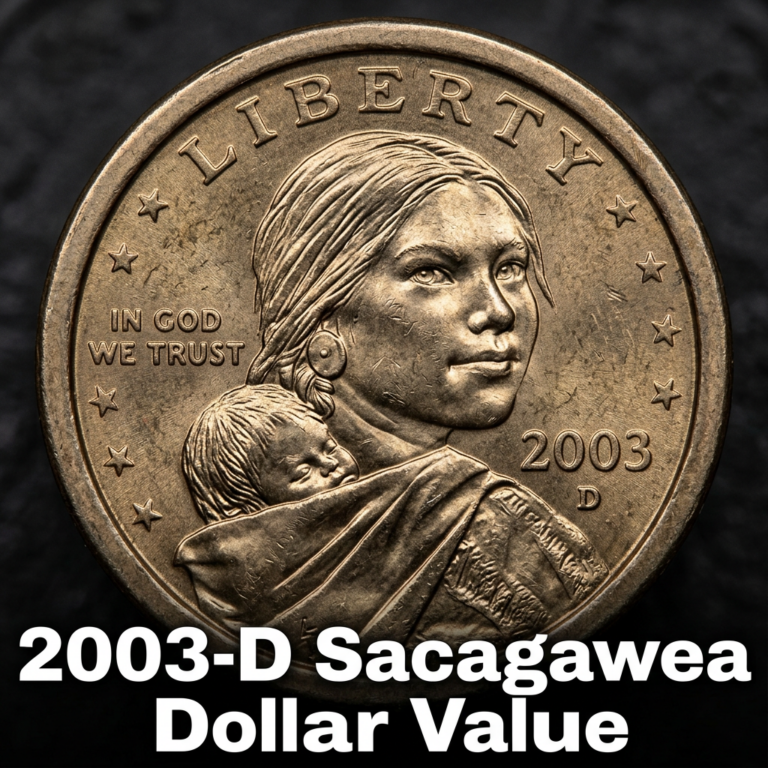
1955-D/S Jefferson Nickel Value: Rare OMM Guide

Your Old Coin Could Be Valuable!
Identify It & Know Its Real Value — Free Download


The 1955-D/S Jefferson Nickel is worth anywhere from $0.15 in worn condition to over $1,500 for high-grade specimens. This fascinating coin is a favorite among collectors because it features a “mint mark over mint mark” error, making it a potential hidden treasure in your pocket change or old coin jars.
| Condition / Grade | Estimated Value (USD) |
|---|---|
| Circulated (Average Wear) | $0.15 – $1.50 |
| About Uncirculated (AU50) | $5.00 – $15.00 |
| Mint State (MS64) | $45.00 – $75.00 |
| Rare Overmintmark (D/S) | $75.00 – $1,500+ |
What Makes the 1955-D/S Jefferson Nickel Special?
If you have found a 1955 Jefferson Nickel with a “D” mint mark, you might be holding a rare variety known as the D-over-S (D/S). To correctly identify this, many collectors use a top coin identifier and value app to zoom in on the mint mark area. During the production process at the Denver Mint in 1955, some dies that were originally intended for the San Francisco Mint (S) were re-punched with a Denver (D) mark.
This resulted in what numismatists call an OMM (Over Mint Mark). If you look closely at the “D” on the back of the coin, you can see portions of the “S” peeking out from underneath. In the 1950s, the U.S. Mint was trying to be efficient with its supplies, but this shortcut created a legendary error for modern hunters. CoinKnow users often share high-resolution photos of this specific area to confirm if they have the genuine D/S variety or just a common 1955-D.
While the standard 1955-D is very common, the D/S variety is a “key date” variant for the series. It is highly sought after by people completing a full set of Jefferson Nickels. Finding one in your change today is difficult but not impossible, especially if you are searching through older rolls from the bank.
Your Old Coin Could Be Valuable!
Identify It & Know Its Real Value — Free Download
Detailed Price Guide for 1955 Jefferson Nickels
The value of your 1955 nickel depends heavily on two factors: which mint it came from and its physical condition. Most coins you find in circulation are considered “Heavily Circulated” or “Average Circulated,” meaning they have lost most of their original shine and detail. However, if the coin looks like it was just made yesterday, the price jumps significantly.
The 1955 Jefferson Nickel MS value chart shows that coins in Mint State (MS) grades are where the real money is made. A standard 1955-D in MS-66 grade can fetch around $30, but if that same coin has “Full Steps” (FS) on the Monticello building, the price can skyrocket. Full Steps refers to the clarity of the lines on the stairs of Thomas Jefferson’s home on the reverse side.
Your Old Coin Could Be Valuable!
Identify It & Know Its Real Value — Free Download
| Mint Mark | Good (G4) | Fine (F12) | Uncirculated (MS60) |
|---|---|---|---|
| 1955 (No Mint Mark) | $0.15 | $0.25 | $5.00 |
| 1955-D | $0.15 | $0.25 | $3.00 |
| 1955-D/S Error | $35.00 | $65.00 | $150.00 |
Understanding the D-over-S Variety
The 1955-D/S is the most famous error of the Jefferson Nickel series from the 1950s. It wasn’t discovered by the general public immediately, which means many of them entered circulation and were worn down. If you want to know if yours is the real deal, use CoinKnow to compare your coin against authenticated archival images.
To spot the D/S, look for a horizontal bar or a curve inside the loop of the “D.” This is actually the top of the “S” that was not completely obliterated when the die was re-punched. Because this was a mistake at the mint itself, it is recognized by official grading services like PCGS and NGC.
According to the current 1955-D Nickel value data, high-grade versions of this error are rare. An MS-65 D/S Nickel can easily sell for $500 to $800 at auction. If you are lucky enough to find one with Full Steps, you could be looking at a multi-thousand dollar coin.
Your Old Coin Could Be Valuable!
Identify It & Know Its Real Value — Free Download
How to Grade Your 1955 Nickel at Home
Grading is the process of determining a coin’s condition. For a beginner, this can feel like guesswork, but there are specific things to look for. On the obverse (front), check Thomas Jefferson’s hair. In “Good” condition, his hair will be a flat blob. In “Extra Fine” or “Mint State,” you should see distinct lines and waves in the hair.
On the reverse (back), the most important part is the Monticello building. Collectors pay a massive premium for “Full Steps.” This means there are at least five or six clear, uninterrupted steps at the base of the building. Most 1955 nickels were struck weakly, so the steps are usually blurry or blended together.
Using the CoinKnow app can help you automate this process by scanning the coin’s surface. While it won’t give you a professional slabbed grade, it provides a very accurate estimate for casual sellers. High-end collectors will always pay more for coins that haven’t been cleaned or scratched, so never scrub your coins even if they look dirty!
Your Old Coin Could Be Valuable!
Identify It & Know Its Real Value — Free Download
| Step Clarity | Rarity Level | Value Premium |
|---|---|---|
| No Steps visible | Common | None |
| Partial Steps | Uncommon | 2x to 5x |
| Full Steps (5-6) | Very Rare | 10x to 50x |
The 1955 Proof Jefferson Nickel
In addition to the coins made for spending, the Philadelphia Mint produced “Proof” coins for collectors. These were struck using special polished dies and blanks to create a mirror-like finish. In 1955, the U.S. Mint produced just over 378,000 proof sets.
A 1955 Proof Nickel is usually found in its original packaging or in a protective plastic slab. These coins do not have a mint mark. Some of these proof coins feature a “Cameo” or “Deep Cameo” effect, where Jefferson’s portrait looks frosty and white against a black, mirror-like background.
While a standard 1955 proof nickel is worth about $10 to $20, a “Deep Cameo” version in perfect PR69 condition can sell for over $500. If you find a 1955 nickel in a collection that looks exceptionally shiny and has no mint mark, it is likely a proof coin rather than a standard circulating one.
Tips for Selling Your 1955 Nickels
If you think you’ve found a valuable 1955-D/S or a Full Steps version, don’t rush to the nearest pawn shop. Pawn shops typically pay only a fraction of the actual numismatic value. Instead, consider visiting a local coin shop or using an online auction house if your coin is worth more than $50.
Your Old Coin Could Be Valuable!
Identify It & Know Its Real Value — Free Download
Always protect your coin by placing it in a cardboard “flip” or a plastic holder. Handling a coin with your bare fingers can leave oils that damage the finish over time. If the coin is extremely valuable (over $200), it might be worth sending it to a grading service like PCGS to have it authenticated and encased.
Before selling, verify the current market trends. Prices for coins like the 1955 Jefferson Nickel fluctuate based on collector demand. Keeping a digital inventory of your finds is a great way to track your collection’s growth and value over time.
FAQ
Q: Where is the mint mark on a 1955 nickel?
A: On the 1955 Jefferson Nickel, the mint mark is located on the reverse (back) side of the coin. Look to the right of the Monticello building, near the rim, at the 3 o’clock position. If there is no letter, it was minted in Philadelphia. If there is a “D,” it was minted in Denver.
Q: How can I tell if I have the real 1955-D/S error?
A: You will need a magnifying glass or a loupe (10x power is best). Look at the “D” mint mark. If you see the outlines of an “S” shape—specifically the top curve or the bottom tail—poking out from behind the “D,” you likely have the D/S over-mintmark variety.
Your Old Coin Could Be Valuable!
Identify It & Know Its Real Value — Free Download
Q: Is a regular 1955 nickel with no mint mark rare?
A: Not particularly. The Philadelphia Mint produced over 7.8 million nickels in 1955. While this is a lower mintage than some other years, it is common enough that worn versions are only worth face value or a few cents more. Only those in perfect, uncirculated condition are valuable to collectors.
Q: Should I clean my 1955 nickel to make it look better?
A: Absolutely not! Cleaning a coin with chemicals, polish, or even a soft cloth can create microscopic scratches that destroy its collector value. A dirty, original coin is almost always worth more than a “shiny” coin that has been cleaned.
Q: What is the highest price ever paid for a 1955 nickel?
A: A 1955-D/S Jefferson Nickel graded MS66 with Full Steps sold at auction for over $1,500. Regular 1955 nickels in extremely high grades with Full Steps have even reached prices above $4,000 because they are so difficult to find in such a perfect state of preservation.